 Owner’s manual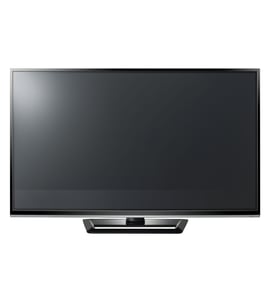

Do plasma TVs have any value?
Yes. A Panasonic plasma TV like model TC-P65VT60 can still have resale value, but it is usually modest because plasma sets are heavy, older, and cost more to ship. Most sales happen locally, and condition plus included accessories drive the price.
What affects resale value most
- Screen condition: no cracks, no burn-in, no dead pixels
- Hours of use (if your TV menu shows panel hours)
- Included items: original remote, stand, power cord, manuals
- Inputs and features: HDMI ports working, smart features (if any) still usable
- Local demand: home theater buyers, retro gaming, collectors
Typical price expectations (local pickup)
These are common ranges for working plasma TVs; your local market can vary.
| Condition | What buyers expect | Typical value range |
|---|---|---|
| Parts/repair | Powers on issues, lines, no picture | $0 to $50 |
| Working, average wear | Minor cosmetic wear, fully functional | $75 to $200 |
| Excellent, complete | Clean panel, remote and stand included | $200 to $400 |
Quick checklist before you list it
- Run a solid-color test (gray, red, green, blue) to spot burn-in or blotches.
- Confirm audio works on TV speakers and via optical/HDMI.
- Test every HDMI input with a known-good device.
- Factory reset and remove any saved Wi-Fi credentials.
- Photograph the screen powered on, plus the model label.
Why it matters
Plasma TVs like the Panasonic TC-P65VT60 are still appreciated for motion handling and black levels, but buyers price in age, power use, and the risk of panel wear. A clean, fully working set with accessories sells faster and for more.
For model-specific menu steps and settings (including picture modes and reset guidance), use the TC-P65VT60 owner’s manual.
Last updated: January 2026
How long should a Panasonic Viera TV last?
A Panasonic Viera plasma TV like model TC-P65VT60 typically lasts 8 to 12 years with normal daily use; many run longer, but you may notice gradual brightness loss or intermittent power issues as the set ages. For model-specific care and settings, use the TC-P65VT60 owner’s manual.
Typical lifespan expectations
Plasma televisions are generally durable, but they age differently than LED/LCD TVs.
- Expected service life: about 8 to 12 years for most households
- Common “aging” symptom: gradual brightness reduction over time
- Common failure points: power supply components, sustain boards, internal fans (if equipped)
- Usage matters most: long daily run time and high brightness settings shorten life
- Environment matters: heat buildup and poor ventilation accelerate wear
What affects how long it lasts (and what to do)
Use these habits to get the longest life from a Panasonic plasma television:
- Keep vents clear; avoid tight cabinets that trap heat
- Use moderate picture settings (avoid max contrast/brightness all the time)
- Use built-in screen protection features (pixel orbiter, screen wipe, etc.)
- Power the TV off when not in use instead of leaving it on for background noise
- Use a quality surge protector to reduce damage from power spikes
Quick guide: “normal aging” vs “repair-needed” symptoms
| What you notice | Usually means | What we recommend |
|---|---|---|
| Picture slowly looks dimmer over years | Normal plasma aging | Recheck picture mode and brightness settings in the manual |
| TV clicks, struggles to start, or shuts off | Power-related issue | Inspect power cord/outlet; consider professional service |
| Random sparkles, lines, or half-screen issues | Drive/sustain circuitry issue | Professional diagnosis is typically needed |
| Image retention after static content | Normal plasma behavior | Run screen wipe and reduce static images |
Why it matters
Knowing the typical lifespan helps you decide whether to troubleshoot a power or picture problem, adjust settings to slow wear, or plan for replacement if the TV is already past the 8 to 12 year range.
Last updated: January 2026
Is a Panasonic Viera a good TV?
Yes. Panasonic Viera TVs, especially plasma models like the Panasonic TC-P65VT60, are widely considered “good TVs” because they deliver strong contrast (deep blacks), natural color, and excellent viewing angles, which makes movies and sports look great in typical living rooms.
What “good” usually means for a Viera plasma
Plasma technology has strengths that many viewers still prefer for picture quality.
- Deep black levels and strong contrast for dark-room viewing
- Smooth motion handling for sports and fast action
- Wide viewing angles with less color shift off-center
- Natural, film-like image compared with many edge-lit LED TVs
- Generally strong screen uniformity (fewer “clouding” issues than some LED designs)
Quick comparison: Viera plasma vs. modern LED/LCD
| Feature | Viera plasma (like TC-P65VT60) | Typical LED/LCD TV |
|---|---|---|
| Blacks/contrast | Excellent | Varies (best with full-array local dimming) |
| Motion | Excellent | Varies by panel and processing |
| Bright room performance | Good, but can reflect light | Often better peak brightness |
| Power/heat | Higher | Lower |
| Screen burn-in risk | Possible with static images | Much lower |
What to check before you decide it is “good for you”
Even a great TV can be a poor fit if the room or usage is mismatched.
- Room lighting: In bright rooms, reflections can matter more than contrast.
- Content type: News tickers, game HUDs, and static logos increase image retention risk.
- Inputs and sources: Confirm your HDMI devices, streaming box, or receiver match your setup needs.
- Picture settings: Use Cinema/Movie modes and reduce overly bright settings for best accuracy.
- Care and placement: Provide ventilation; plasma sets run warmer than many LED TVs.
Why it matters
If you are shopping parts or troubleshooting a Panasonic TC-P65VT60, knowing its strengths (contrast, motion, viewing angles) helps you decide whether a repair is worth it versus replacing the TV.
For model-specific operating tips, picture adjustments, and safety guidance, use the TC-P65VT60 owner’s manual.
Last updated: January 2026