Error Codes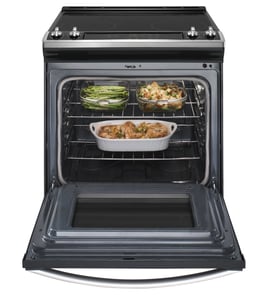

What are the parts of an electric oven?
An electric oven like the Whirlpool WFES3330RS0 is built around heating elements, temperature sensing and control components, and door and venting parts that manage heat and airflow. Most “oven problems” trace back to the bake/broil heat source, wiring connections, or door sealing.
Main parts you will find in an electric oven
- Bake element (bottom heat source): for most baking and roasting
- Broil element (top heat source): for high-heat browning and broiling
- Oven temperature sensor (monitors cavity temperature) and electronic control (sets and regulates heat)
- Oven racks (support cookware at different heights)
- Oven door assembly (hinges, glass/liner, trim, handle) to retain heat safely
- Door gasket/seal (keeps heat in and helps temperature stability)
- Vent and vent tube (routes hot air and moisture out of the oven)
Common WFES3330RS0 parts customers replace
These are model-matched examples that often come up during troubleshooting:
| Symptom | Part that often relates | Example model-matched part |
|---|---|---|
| Oven will not bake or bakes unevenly | Bake element | Burner-bake, W11182108 |
| No broil heat | Broil element | Range broil element W10856603 |
| Heat escapes, long preheat, poor temperature control | Door seal or hinges | Range oven door seal W11542153, range oven door hinge WPW10299227 |
| Weak or intermittent power, burnt wire connection | Power connection point | Range terminal block WPW10245259 |
Why these parts matter
The bake and broil elements create the heat, but the door seal, hinges, and venting determine how well the oven holds that heat. If the door does not close tightly or the seal is worn, the control can struggle to maintain temperature and cooking results suffer.
Quick checks before ordering parts
- Confirm the oven is getting proper power (a tripped breaker can cause partial operation).
- Look for visible damage: blisters, cracks, or holes on the bake or broil element.
- Check that the door closes evenly and the gasket is not torn, flattened, or loose.
- If you smell burning or see discoloration at the cord connection, inspect the terminal block.
- Use safe electrical testing practices; a meter test is often the fastest way to confirm a failed element.
Last updated: February 2026
What is the life expectancy of a Whirlpool electric range?
A Whirlpool electric range like model WFES3330RS0 typically lasts 10 to 15 years. Consistent cleaning, avoiding repeated high-heat self-clean cycles, and fixing small issues early (like a weak surface element or loose power connection) help you reach the upper end of that range.
What affects lifespan the most
- Heat stress: frequent broiling, long bakes, and repeated self-clean cycles accelerate wear on elements and wiring.
- Spills and boilovers: sugary or acidic spills can damage the cooktop surface and bake onto elements.
- Electrical health: a loose or overheated power connection can shorten component life.
- Ventilation and airflow: blocked vents can trap heat and stress controls.
- Prompt repairs: replacing a failing part early prevents secondary damage.
Common wear items (and what they do)
| Part type | What you’ll notice when it’s wearing out | Example part for WFES3330RS0 |
|---|---|---|
| Surface element | Burner heats unevenly, cycles oddly, or won’t heat | Range dual radiant surface element W11517959 |
| Power connection | Burning smell at cord area, intermittent power | Range terminal block WPW10245259 |
| Broil element | Top browning is weak or uneven | Range broil element W10856603 |
| Door sealing | Longer preheat times, heat escaping around door | Range oven door seal W11542153 |
Maintenance that extends range life
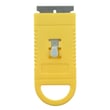
- Wipe the cooktop after it cools; use a scraper designed for glass tops like cooktop scraper WA906B for stuck-on residue.
- Keep the oven cavity reasonably clean; use self-clean sparingly to reduce heat stress.
- Avoid slamming the oven door; it protects hinges and helps the door seal last.
- If a burner is slow or inconsistent, troubleshoot and replace the element or switch before it overheats wiring.
- If you ever smell hot plastic or see discoloration near the cord connection, stop using the range and inspect the terminal block.
Why it matters
A range that is heating slowly or cycling unpredictably uses more time and energy, and it can overwork key components like surface elements, the broil element, and the terminal block. Addressing those symptoms early is the simplest way to get a full 10 to 15 years from your Whirlpool range.
Last updated: February 2026
Where to find model number on Whirlpool electric range?
On a Whirlpool electric range like model WFES3330RS0, the model number is typically on a rating label around the oven frame or storage drawer area. The fastest check is to pull out the bottom drawer (or warming drawer, if equipped) and look along the frame behind it.
Common places to check on WFES3330RS0
- Behind the storage drawer or warming drawer; check the frame opening
- Along the oven door frame; open the oven door and look on the left or right front edge
- On the lower front frame behind the kick area
- On the back panel of the range (if you can safely access it)
Quick steps (safe and simple)
- Turn the oven off and let it cool.
- Pull the storage drawer straight out; lift slightly if it stops on the rails.
- Use a flashlight and look for a white or silver sticker with MODEL and SERIAL.
- Write the model number exactly as shown (letters and numbers).
What the label looks like
| What you’ll see | What it’s used for |
|---|---|
| Model number (example: WFES3330RS0) | Matching parts and diagrams |
| Serial number | Dating the unit, warranty/service reference |
Why it matters
We use the full model number to match the correct Whirlpool range parts because small suffix changes can affect items like a surface element, control switch, or oven door hinge. If you are ordering parts, confirming the model first prevents returns and delays.
If you need help after you find the model number, our how to find your appliance model number (and what it means for parts) guide walks through what the characters mean and why they matter.
Last updated: February 2026