Owner’s manual
 Error Codes



What are the dimensions of the Samsung RF28HMEDBWW?
For the Samsung RF28HMEDBWW, the installation manual lists these design dimensions: 35 6/8 inches wide, 68 7/8 inches cabinet height, 70 inches overall height, and 36 1/2 inches deep. Use these measurements for fit checks, then confirm clearances in the owner's manual.
These are the design dimensions shown for the RF28HM** platform that includes RF28HMEDBWW.
| Measurement | Dimension |
|---|---|
| Width (B) | 35 6/8 in (908 mm) |
| Cabinet height (C) | 68 7/8 in (1749 mm) |
| Overall height (D) | 70 in (1777 mm) |
| Depth (A/E) | 34 in (864 mm) and 36 1/2 in (926 mm) |
When you are measuring for delivery and door swing, we use these practical checks:
- Measure doorways, hallways, and turns to the final location (width and height).
- Plan for at least 3 3/4 inches (95 mm) clearance to a fixed wall so the door can swing open.
- Allow extra space behind the refrigerator if you have an ice maker water line connection.
- Measure depth with your specific setup (handles, door position, and how you measure can change results).
- Keep the unit on a level, hard surface that can support a fully loaded refrigerator.
Samsung lists more than one depth because different reference points are used (cabinet only vs overall depth). In real kitchens, depth changes based on how the doors sit, whether handles are installed, and where you measure from.
Accurate width, height, and depth measurements prevent delivery problems, ensure proper door swing, and help the cooling system perform correctly by maintaining the right airflow and clearances.
Last updated: February 2026
What water filter for Samsung RF28HMEDBWW?
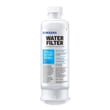
For the Samsung RF28HMEDBWW refrigerator, use the Samsung-style replacement water filter DA29-00019A; it matches the filter type used in this model’s filter housing and supports normal water flow and dispenser performance. Follow the replacement and reset steps in the RF28HMEDBWW owner's manual.
Use these quick checks before ordering:
- Match the filter part number to DA29-00019A.
- Confirm the filter is the internal, twist-in cartridge style (not an inline filter).
- If your water dispenses slowly, treat it as a clogged filter and replace it.
- Plan to replace about every 6 months or around 300 gallons of water use.
- After replacement, reset the filter indicator on the control panel.
The manual procedure for this model is straightforward:
- Shut off the water supply.
- Turn the old filter about 1/4 turn counterclockwise and pull it out.
- Insert the new filter, then turn clockwise until it locks.
- Reset the filter light by holding the filter reset button for about 3 seconds.
- Flush water through the dispenser until it runs clear (often several minutes).
A fresh filter often resolves:
- Slow water dispensing
- Bad taste or odor in water
- Hollow or small ice cubes (low fill)
- Filter light staying on (after you reset it)
| What you need | What it does | Sears PartsDirect part |
|---|---|---|
| Refrigerator water filter | Filters drinking water and ice maker supply | Refrigerator water filter DA29-00019A |
| Refrigerator water filter housing assembly | Holds and seals the filter in the refrigerator | Refrigerator water filter housing assembly DA97-14365D |
Using the correct filter for RF28HMEDBWW keeps water flow strong, helps protect the water valve and dispenser system from restriction, and keeps the filter indicator schedule meaningful so you change it on time.
Last updated: February 2026
Why is my Samsung bottom freezer frosting up?
Frost in the bottom freezer on your Samsung RF28HMEDBWW is almost always caused by humid room air leaking in (drawer not fully closed, overloaded drawer, or a sealing issue) or by meltwater that cannot drain and refreezes. Use the troubleshooting steps in the RF28HMEDBWW owner's manual to pinpoint the cause.
- Freezer drawer not closing completely: packages or an overfilled basket can hold the drawer open and pull in humidity.
- Air vents blocked: blocked vents reduce airflow and can lead to frost patterns.
- Door or drawer sealing issue: a dirty, warped, or misaligned gasket lets moist air enter.
- Drain problem: defrost water can pool, then freeze into a sheet of ice under the drawer.
- Leveling or alignment issue: if the refrigerator is not level, the drawer can sit slightly open.
- Empty the freezer enough to see the back wall and vents; remove anything touching vents.
- Make sure the drawer glides freely and closes with a firm, even seal.
- Clean the gasket sealing surfaces with warm water and mild dish soap; dry completely.
- Defrost the freezer (unplug and leave the drawer open) until all ice is melted; then wipe dry.
- After restarting, keep door openings short; the manual notes shorter open time reduces frost buildup.
| Symptom | Most likely cause | Best next step |
|---|---|---|
| Frost on walls or heavy frost after a few days | Drawer not fully closed or humidity leak | Check loading, gasket seal, and leveling |
| Ice sheet under the bottom drawer | Drain water refreezing | Fully defrost; then check for recurring pooling |
| Frost near vents and uneven temps | Blocked vents or poor airflow | Repack food to leave air gaps |
Frost buildup reduces airflow, makes the freezer work harder, and can prevent the drawer from sealing. Fixing the air leak or drain issue helps stabilize temperature, improves ice maker performance, and lowers energy use.
Last updated: February 2026
How to force defrost Samsung RF28HMEDBWW?
Samsung RF28HMEDBWW is a frost-free refrigerator; it runs automatic defrost cycles on its own. If you need to clear heavy frost quickly, use a safe manual defrost (power off and doors open) and then correct the underlying airflow or defrost-sensing issue so the frost does not return.
- Move food to a cooler; keep freezer items wrapped to slow warming.
- Turn the refrigerator off at the control (if available) or unplug it.
- Leave doors open; place towels to catch meltwater.
- Do not use sharp tools to chip ice; do not use a heat gun.
- Restart cooling after all ice is melted and surfaces are dry.
Our RF28HMEDBWW owner's manual explains that the refrigerator is frost free and does not require manual defrosting during normal use. It also notes temperatures can rise during defrost; protecting frozen food during any defrost event prevents thawing.
| Defrost type | How it starts | What you should do |
|---|---|---|
| Automatic defrost | Runs automatically | Keep doors closed, normal use |
| Manual defrost (safe) | You shut power off | Protect food, manage meltwater |
Recurring frost means a problem forced or manual defrost will only temporarily hide.
- Door not sealing or door left ajar
- Vents blocked by packages; poor airflow
- Ice buildup behind the evaporator cover
- Defrost sensing issue (thermistor) or wiring
- Drain restriction causing refreeze and ice buildup
| Symptom | What it points to | Example part |
|---|---|---|
| Frost buildup, temperature swings | Defrost/temperature sensing | Refrigerator temperature sensor DA32-10104N |
| Poor cooling with warm cabinet | Heat rejection and airflow | Refrigerator condenser coil and fan motor assembly DA97-15978B |
Heavy frost blocks airflow across the evaporator, which causes warm temperatures, fan noise, and inconsistent ice production. Defrosting clears the symptom; fixing the airflow or sensor cause prevents repeat icing.
Last updated: February 2026