Owner’s manual
 View engine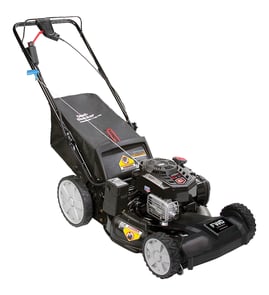


Does it matter what gas I put in my lawn mower?
Yes. For your Craftsman walk-behind mower model 917375511, using the right gasoline helps it start easier, run smoother, and avoid fuel-system problems like stale fuel, water contamination, and carburetor issues. In most cases, regular unleaded gasoline is the correct choice; avoid old fuel.
What we recommend for fuel
Use fresh, clean gasoline and keep it from sitting too long in the tank or gas can.
- Use fresh regular unleaded gasoline from a clean, approved gas can.
- Avoid using stale fuel (fuel left sitting for weeks or months), which is a common no-start cause.
- Keep water and dirt out of the fuel; contamination can cause hard starting and rough running.
- If you store fuel, use a fuel stabilizer and follow the storage steps in the 917375511 owner's manual.
- Do not store the mower indoors with gasoline in the tank; let the engine cool before storage.
Quick troubleshooting if fuel seems like the problem
The manual’s troubleshooting list for “does not start” includes fuel-related causes such as out of fuel, stale fuel, and water in fuel.
- Drain and replace old gasoline with fresh fuel.
- Check the gas can for rust or debris; replace the can if it is rusting.
- If you suspect water in fuel, empty the tank and refill with fresh gasoline.
- Inspect the spark plug and air filter if it still will not start.
- Make sure the operator presence control bar is held down when starting.
Fuel choices at a glance
| Fuel situation | What to do | Why |
|---|---|---|
| Fresh pump gas | Use it | Best starting and performance |
| Gas sitting from last season | Replace it | Stale fuel can prevent starting |
| Rusty/dirty gas can | Replace the can | Rust and dirt cause fuel problems |
| Storage longer than a few weeks | Add stabilizer and follow storage steps | Helps prevent fuel breakdown |
Why it matters
Fuel quality directly affects ignition and combustion. Old or contaminated gasoline is one of the most common reasons a walk-behind mower will not start, and it can shorten engine life by causing the engine to run poorly or hotter than normal.
Last updated: January 2026
What model number is a Craftsman 917375511 lawn mower?
The model number for this Craftsman walk-behind lawn mower is 917.375511 (often written without the dot as 917375511). You’ll find it printed on the mower’s model tag and on the cover page of the 917375511 owner's manual.
Where to confirm the model number on the mower
Check these common locations on Craftsman walk-behind mowers:
- On the rear deck near the discharge opening
- On the back of the mower deck near the height adjuster area
- Near the engine mounting area on the deck
- On a label or stamped plate that also lists serial information
If the tag is dirty or faded, wipe it clean and use a flashlight to read the stamped characters.
What the number means (and why the dot matters)
Craftsman model numbers are commonly shown in two formats, and both refer to the same mower:
| How it may appear | What it means |
|---|---|
| 917.375511 | Full model format shown in the manual |
| 917375511 | Same model number without punctuation (common on parts sites) |
Why it matters for parts and repairs
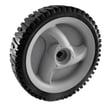
Using the exact model number ensures you get the right parts for your specific deck and drive system. For example, the parts list for model 917.375511 includes items like the drive belt and wheel-drive hardware, which can vary across similar-looking Craftsman mowers.
- Helps match the correct blade style and deck size
- Ensures the right drive components (belt, wheel parts, transmission items)
- Prevents ordering the wrong control cable or handle hardware
Quick parts example for this model
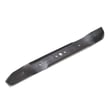
If you are confirming you’re on the right parts list, this model uses a 22-inch mulching blade listed as blade.22.mul 532406713.
Last updated: January 2026
What is the average lifespan of 917375511?
A Craftsman walk-behind mower like model 917375511 typically lasts 8 to 12 years with normal residential use and routine maintenance (oil changes, blade care, and clean fuel). Consistent upkeep and proper storage are what most directly determine whether it lands on the low or high end.
What most affects lifespan
- Oil and air filtration: clean oil and a clean air filter prevent accelerated engine wear.
- Fuel quality and storage: stale fuel and ethanol-related varnish cause hard starting and carburetor issues.
- Blade condition: a bent or dull blade increases vibration and stresses the crankshaft and deck.
- Drive system wear (self-propelled models): belts, pulleys, and transmission parts wear faster if the mower is pushed while drive is engaged.
- Deck corrosion: wet grass buildup and storage outdoors shorten deck life.
Maintenance schedule we recommend
Use the intervals in the owner's manual as your baseline. For most gas rotary mowers, these habits keep the mower reliable:
- Change engine oil at least once per season (more often with heavy use)
- Keep the underside of the deck clean and dry
- Sharpen or replace the blade when cut quality drops
- Inspect drive components for wear and slipping
- Stabilize fuel before storage and run the engine briefly to circulate treated fuel
Common “end-of-life” symptoms and what they usually mean
| Symptom | Most common cause | Typical fix |
|---|---|---|
| Hard starting, surging | Fuel system varnish, stale gas | Clean fuel system, refresh fuel |
| Excessive vibration | Bent/damaged blade or adapter | Replace blade and inspect adapter |
| Poor self-propel drive | Worn belt or transmission wear | Replace belt or service drive |
| Uneven cut | Dull blade, wheel height issue | Sharpen/replace blade, adjust height |
If you are restoring cut quality on 917375511, the blade.22.mul 532406713 is the model-matched cutting blade listed for this mower.
Why it matters
A mower that is maintained to spec usually costs less over time than replacing it early; it also runs cooler, starts easier, and cuts cleaner. Following the manual’s safety and maintenance guidance helps prevent avoidable engine and drive failures.
Last updated: March 2026