 Error Codes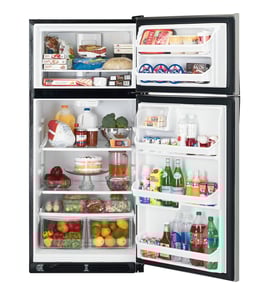





What is the average lifespan of a Frigidaire refrigerator?
A Frigidaire refrigerator typically lasts 10 to 15 years. With steady upkeep (good airflow, clean condenser area, and stable temperatures), many units reach the upper end of that range; major sealed-system failures usually determine end-of-life.
Typical lifespan ranges (what to expect)
Most top-mount refrigerators like Frigidaire FFHT1835VB3 fall into these practical ranges:
- 10 to 15 years: normal service life for the compressor and cooling system
- 5 to 10 years: common window for smaller repairs (fan motor, sensors, lights)
- 15+ years: achievable when the cabinet seals well and the cooling system stays healthy
| Component | Typical impact on lifespan | What you can do |
|---|---|---|
| Compressor and sealed system | Biggest factor; costly when it fails | Keep condenser area clean; avoid overheating |
| Door gaskets | Poor seal shortens life and raises run time | Keep seals clean; replace if torn or warped |
| Evaporator fan system | Weak airflow causes warm temps and icing | Clear vents; address fan noise early |
| Temperature sensing/control | Bad readings cause overcooling or warming | Watch for temp swings; check sensors |
Maintenance that extends life
These habits reduce compressor run time and prevent temperature problems:
- Keep food from blocking freezer and fresh-food air vents
- Set steady temps (about 0°F freezer and 37°F fresh food)
- Clean dust from the lower rear or bottom front area so heat can escape
- Keep doors closed as much as possible; avoid overloading shelves
- Fix sealing issues quickly (warm, moist air drives frost and long run times)
Parts that commonly support a longer service life
If you are troubleshooting cooling, noise, or temperature swings on FFHT1835VB3, these model-matched parts are often involved:
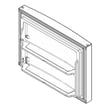
- Refrigerator door gasket 5304528905 (helps maintain a tight seal)
- Refrigerator temperature sensor and wire harness 5304522320 (helps the control maintain stable temps)
- Refrigerator evaporator fan motor 242219206 (moves cold air through the compartments)
For part availability and model-specific replacements, use the parts list for FFHT1835VB3 on this page or search by model at Sears PartsDirect.
Why it matters
A refrigerator that runs longer than it should (from dirty airflow paths, weak seals, or fan issues) wears the compressor faster, increases frost buildup, and makes temperatures less consistent. Addressing airflow and sealing early is the simplest way to protect the cooling system.
Last updated: February 2026
Is the FFHT1835VB3 garage ready?
Frigidaire FFHT1835VB3 is a top-mount refrigerator that can run in many garage setups, but “garage ready” depends on keeping the space within a moderate ambient temperature range. For reliable cooling and normal compressor operation, we recommend using it only in a garage that stays above about 55°F and below about 110°F.
What to check before putting it in a garage
A refrigerator’s cooling system is designed around room temperature; when the garage gets too cold or too hot, temperatures inside the fresh food section and freezer can drift.
- Keep the refrigerator in a dry, covered location (no rain, hose spray, or heavy humidity)
- Provide ventilation space around the cabinet so heat can dissipate
- Plug directly into a grounded outlet (avoid extension cords)
- Level the cabinet so the doors seal evenly
- Let temperatures stabilize for 24 hours after moving it
Typical ambient temperature guidance
Use these ranges as practical guardrails for most top-freezer/top-mount refrigerators.
| Garage temperature | What commonly happens | Best next step |
|---|---|---|
| Below ~55°F | Fresh food can warm; freezer performance can become inconsistent | Move the unit indoors or warm the space |
| ~55°F to ~110°F | Normal operation is most likely | Monitor temps for 24 hours |
| Above ~110°F | Long run times, weak cooling, higher energy use | Improve ventilation or cool the space |
If cooling becomes inconsistent in the garage
If the garage stays in-range but you still see warm temps, these checks usually find the cause.
- Confirm the condenser area is clean and airflow is not blocked
- Make sure the doors close fully and gaskets seal all the way around
- Listen for the evaporator fan running when the compressor is on
- Verify the control settings were not bumped warmer
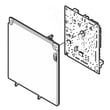
If you suspect a failed cooling control or sensor, common parts involved include the refrigerator temperature sensor and wire harness 5304522320 and the refrigerator electronic control board and housing assembly 5304528823.
Why it matters
Out-of-range ambient temperatures can look like a “no cool” failure even when the sealed system is fine; keeping the garage moderate protects food safety and reduces compressor strain.
You can order replacement parts for FFHT1835VB3 from the parts list for this model, or search by model number on Sears PartsDirect.
Last updated: February 2026
What is the most common problem with a Frigidaire refrigerator?
The most common issue we see on Frigidaire top-mount refrigerators like model FFHT1835VB3 is a cooling complaint: the freezer stays cold but the fresh food section runs warm. This typically comes from poor airflow (blocked vents or frost buildup), an evaporator fan problem, or a defrost or temperature-sensing issue.
Most common symptoms
- Freezer feels normal but refrigerator section is warm
- Weak or no airflow from the refrigerator vents
- Frost or ice buildup on the freezer back wall
- Food freezing in the refrigerator section (airflow or control issue)
- Clicking or repeated start attempts from the compressor area
Quick checks we recommend first (no parts)
- Set a normal baseline: 0°F freezer and 37°F refrigerator.
- Keep packages away from air vents and return-air openings.
- Clean condenser coils and make sure the condenser fan area is clear.
- Check door sealing with the dollar-bill test around the gasket.
- Look for heavy frost on the freezer rear panel; that points to a defrost airflow restriction.
Parts that commonly solve “warm fridge, cold freezer”
Use what you observe to narrow the likely fix for FFHT1835VB3.
| What you observe | Likely cause | Example part for FFHT1835VB3 |
|---|---|---|
| Fan not running, no air movement | Evaporator fan issue | Refrigerator evaporator fan motor 242219206 |
| Fan runs but airflow is weak or noisy | Fan blade damage or obstruction | Refrigerator evaporator fan blade 242219302 |
| Heavy frost behind freezer panel | Defrost system problem | Refrigerator defrost heater 5304522325 |
| Temps swing or don’t match settings | Sensor or wiring issue | Refrigerator temperature sensor and wire harness 5304522320 |
Why it matters
In a top-mount design, the refrigerator section depends on cold air moved from the freezer. When airflow is restricted or the defrost or sensor system is off, the freezer can still feel cold while the fresh food section warms up.
Helpful DIY guidance
- Follow how to fix your evaporator cooling fan to match symptoms to the right fan-related repair.
- If your refrigerator shows a fault indication, use Frigidaire refrigerator error codes to interpret common Frigidaire codes.
Ordering tip
Match parts using the full model number FFHT1835VB3 from the rating label, then confirm the part ID before checkout. You can also search by model on Sears PartsDirect.
Last updated: February 2026





