Owner’s manual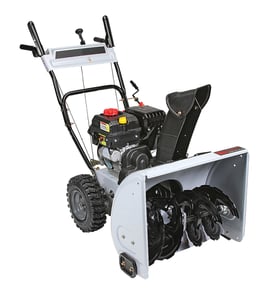




What is the typical lifespan of a gas snowblower?
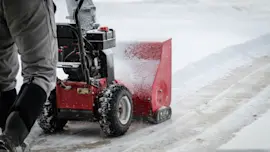
A well-maintained gas snowblower like the Craftsman 536888110 typically lasts 10 to 15 years. With consistent seasonal maintenance (fresh fuel, correct oil, tight fasteners, and proper storage), many owners see 15 to 20 years of service.
What most affects lifespan
A gas snow thrower’s life is mostly determined by fuel care, lubrication, and how quickly worn parts are replaced.
- Use clean, fresh unleaded gasoline (minimum 85 octane)
- Keep engine oil at the proper level and use a quality detergent oil (SG, SH, SJ, SL, or higher)
- After each use, clear snow from the auger and remove slush to prevent freezing
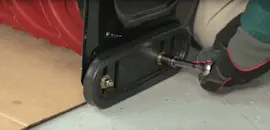
- Tighten loose fasteners and replace worn or damaged parts promptly
- Store it correctly at season end (clean, lubricate, protect bare metal, and manage fuel)
For model-specific maintenance intervals and storage steps, follow the 536888110 owner’s manual.
Typical lifespan by usage pattern
| Usage pattern | What we typically see | What helps most |
|---|---|---|
| Light residential (few storms/season) | 15 to 20 years | Fuel stabilizer, off-season storage, annual tune-up |
| Average residential | 10 to 15 years | Regular oil checks, belt and shear pin upkeep |
| Heavy use (large driveway, wet snow, frequent storms) | 8 to 12 years | Fast replacement of wear parts, careful operation |
Wear parts that can shorten life if ignored
These parts do not usually “kill” the machine by themselves, but running with worn parts increases strain on the drive system and auger.
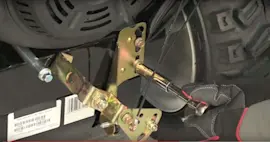
- Shear pins (protect the auger and gearbox when you hit ice or debris); keep spares like kit shearbol 1501227MA
- Auger/drive belts (slipping, burning smell, loss of drive); examples include snowblower drive belt 1733324SM and snowblower gas belt 585416MA
- Tires (correct pressure helps traction and control; the manual lists 14 to 17 PSI)
Why it matters
A snowblower that is maintained and stored correctly starts easier, throws snow farther, and avoids expensive mid-season breakdowns. Simple habits like clearing packed snow after use and stabilizing fuel during storage add years of reliable service.
Last updated: January 2026
What is the most common problem with snow blowers?
The most common problem we see on snow blowers like the Craftsman 536888110 is a no-start or hard-start condition caused by fuel issues (stale gas, water-contaminated fuel) and basic ignition maintenance (spark plug). Next most common are clogs and drive/auger problems from shear pins or belts.
Quick checks that fix the most issues
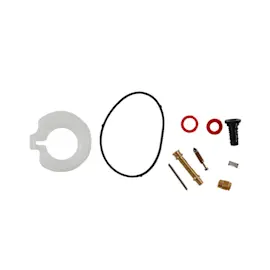
- Use fresh fuel; drain or treat fuel that sat more than 30 days (storage fuel can form deposits).
- Check the spark plug and spark plug wire connection.
- If the machine vibrates abnormally, stop and inspect immediately (vibration is a warning sign).
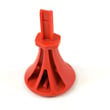
- Clear packed snow only with the cleaning stick; never use your hands.
- If the auger stops turning after hitting something, inspect for damage and replace broken shear pins.
When the auger will not turn (very common)
If the engine runs but the auger does not spin, the usual causes are a broken shear pin or an auger drive belt issue.
| Symptom | Most likely cause | Typical fix |
|---|---|---|
| Auger stops suddenly after impact | Shear pin broken | Replace shear pins and spacer; align auger and shaft holes |
| Auger lever engaged but no auger movement | Auger belt worn or off | Inspect belt routing and condition; replace if glazed/cracked |
| Frequent clogging | Wet snow, speed too fast, chute packed | Slow down, overlap passes, discharge downwind, clear with stick |
Helpful parts for this model include the kit shearbol 1501227MA and the snowblower gas belt 585416MA.
Safe unclogging and inspection steps
We follow the same safety sequence recommended for this Craftsman snow thrower:
- Release the auger drive lever.
- Remove (do not turn) the safety key.
- Disconnect the spark plug wire.
- Wait for all moving parts to stop.
- Use the cleaning stick to clear the auger housing or discharge chute.
Why it matters
Most “common problems” are simple maintenance items, but clogs, impacts, and abnormal vibration can quickly turn into damaged auger/impeller components if you keep operating. Stopping safely and correcting the root cause protects the gearbox, belts, and impeller.
For model-specific operating and maintenance details, use the 536888110 owner's manual.
Last updated: January 2026
How do I tell what year my snowblower is?
On a Craftsman gas snow thrower model 536888110, the most reliable way to estimate the year is to use the engine manufacture date code (stamped on the engine) and decode it; that code tells you when the engine was built, which is typically close to the snowblower’s build year. For model-specific locations and service info, use the 536888110 owner's manual.
Where to find the date information
Most snowblower “year” questions come down to identifying the engine’s date code and the snowblower’s model and serial information.
- Look for an engine code/date code stamped on the engine shroud, valve cover, or blower housing (often near the muffler or starter area).
- Record the full engine model/type/code (if present) and any stamped date string.
- Check the snowblower’s model and serial label on the frame or rear of the housing.
- Use the manual’s parts and service sections to match labels and component locations.
How to interpret the engine code (common format)
Many small engines use a numeric code where the first two digits indicate the year and the next digits indicate month and day.
Example format (illustrative):
| Code example | Interpreted as | What it tells you |
|---|---|---|
| 99011556 | 1999-01-15 | Engine built Jan 15, 1999 |
Why it matters
Knowing the approximate year helps us match the correct Craftsman parts list and avoid ordering the wrong wear items (like belts, shear pins, and friction-drive components) when you service or tune up your snowblower.
Parts that commonly depend on correct identification
If you are also troubleshooting or planning maintenance, these are the parts most often matched by model and configuration:
- Snowblower drive belt 1733324SM (ground drive)
- Snowblower gas belt 585416MA (auger drive)
- Kit shearbol 1501227MA (shear pins)
- Spark plug and friction wheel (varies by configuration)
Last updated: January 2026
Is it worth fixing a snowblower?
Yes, it’s worth fixing a Craftsman snow thrower like model 536888110 when the problem is a normal-wear item (belt, shear pin, spark plug) or a simple adjustment, because those repairs are usually low-cost and restore performance quickly. Replacement makes more sense when major drivetrain or engine damage is involved.
Quick decision checklist
- If the snowblower still starts reliably and throws snow well, repairs are usually worth it.
- If the auger or drive system slips, a belt or cable adjustment is often the fix.
- If shear pins keep breaking, check for jams and correct shear pin type.
- If the machine has repeated major failures (engine, gearbox, impeller shaft), replacement is usually the better value.
- If you can do basic maintenance (oil, spark plug, belt inspection), you typically extend service life significantly.
Common “worth fixing” repairs on this model
The owner’s manual notes that normal-wear items are expected over time (for example, drive belts and shear pins). Use the owner's manual to confirm inspection intervals and adjustment points.
Typical repairs that usually pay off:
- Replace a worn traction belt: snowblower drive belt 1733324SM
- Replace a worn auger belt: snowblower gas belt 585416MA
- Replace broken shear pins after an obstruction: kit shearbol 1501227MA
- Tighten loose fasteners and check controls after each use (helps prevent bigger failures)
Repair vs replace: simple cost guide
| Situation | Usually worth fixing? | Why |
|---|---|---|
| Belt slipping, poor drive, auger not engaging | Yes | Common wear item; straightforward repair |
| Shear pins broken after hitting ice/rocks | Yes | Designed to fail to protect the auger/gearcase |
| Repeated stalling from old fuel or storage issues | Yes | Fuel system cleanup and proper storage practices help |
| Major engine internal damage or gearbox failure | No | High parts and labor cost relative to machine value |
Why it matters
A well-maintained snowblower is safer and more reliable. The manual also recommends running the machine briefly after throwing snow to help prevent freeze-up and following proper storage steps to reduce fuel-system problems.
Last updated: January 2026