Owner’s manual
 Error Codes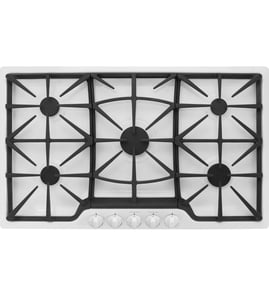




Where can I find the gas cooktop model number?
On the Kenmore 91132389890 30-inch gas counter unit, the model and serial number label is located under the cooktop unit. Use the model number exactly as shown on that label when ordering parts or scheduling service; it prevents mismatches.
Check these common spots (start with the first one):
- Under the cooktop unit (the manual calls this out as the label location)
- On the underside of the cooktop base (visible from inside the cabinet below)
- On a rating plate attached to the metal chassis near the gas manifold area
- Occasionally near the burner box area after lifting the cooktop top (if your installation allows access)
- Turn all burner knobs to OFF and let the cooktop cool completely
- Use a flashlight and look up from inside the cabinet below the cooktop
- Write down both the model number and serial number exactly
- Match the format to the examples shown in the 91132389890 owner's manual
| Label item | What it helps with | Example |
|---|---|---|
| Model number | Correct part fit and diagrams | 91132389890 |
| Serial number | Production details for service | Varies |
| Gas type notes | Setup and conversion guidance | Natural gas (as shipped) |
Kenmore cooktops often have similar-looking burner grates, igniters, and gas valves across model families. Using the exact model number from the label helps ensure parts like a pressure regulator or electrode match your cooktop’s configuration.
Last updated: January 2026
What is the average cost to install a gas cooktop?
For a Kenmore 91132389890 30-inch gas counter unit, most professional installations typically run about $500 to $1,000 in total, with many jobs landing near the middle of that range. Cost goes up when the installer has to modify the gas line, add an electrical outlet, or adjust the cabinet cutout.
- Removing the old cooktop (if one is already installed)
- Setting and securing the new cooktop in the countertop
- Connecting the gas supply and checking for leaks
- Verifying ignition and burner flame quality
- Basic cleanup and a quick operational check
- Gas line work (new shutoff valve, rerouting, or extending the line)
- Electrical work (adding an outlet, correcting grounding/polarity so spark ignition works)
- LP conversion (if your home uses propane, the cooktop must be converted per the installation procedure)
- Ventilation upgrades (adding or improving a hood/fan)
- Countertop/cabinet modifications (cutout changes, leveling, or support repairs)
| Scenario | Typical total cost | Why it changes |
|---|---|---|
| Straight swap, existing gas and power | $500 to $800 | Minimal labor and no modifications |
| Install with gas or electrical modifications | $650 to $1,000+ | Added trades, parts, and time |
| LP setup plus adjustments | $700 to $1,100+ | Conversion and flame adjustments |
A gas cooktop install is not just “hook up the line.” Proper grounding/polarity for ignition, correct burner assembly, and correct fuel setup (natural gas vs. LP) directly affect safety, flame quality, and day-to-day cooking performance. We recommend following the safety and setup guidance in the 91132389890 owner's manual.
Last updated: January 2026
Which brand of gas cooktop is best?
The “best” gas cooktop brand depends on your priorities (power, simmer control, reliability, service support, and budget). If you already own a Kenmore 91132389890 30-inch sealed gas cooktop, the best choice is the brand that fits your cooking style and has parts and support you can maintain long-term; use the 91132389890 owner's manual to compare features and safe operation.
- Burner performance: look for strong high-heat output plus a true low simmer.
- Sealed burners: help contain spills and simplify cleaning.
- Continuous grates: make it easier to slide cookware across burners.
- Ignition reliability: consistent sparking and stable flame.
- Service and parts availability: easier ownership over the life of the cooktop.
| What you want most | Typical best-fit brands | What to expect |
|---|---|---|
| Pro-style power and premium build | Wolf, Café, KitchenAid | Higher BTU options, heavier grates, higher cost |
| Strong performance with broad service network | GE, Bosch | Balanced features, good support, wide availability |
| Value and reliability | Whirlpool, some GE lines | Solid everyday cooking, fewer premium extras |
| Pro look on a tighter budget | ZLINE | High-heat options, verify service coverage in your area |
A gas cooktop is only as good as its flame quality and safe installation. Your Kenmore manual emphasizes safe operation and proper setup; for example, it notes the unit ships for natural gas and must be converted correctly for LP use to avoid high flames and poor combustion. Reviewing the safety and operating sections helps you judge whether a new brand’s features are truly upgrades for how you cook.
Use these quick checkpoints before switching brands:
- Do you need more high-heat burners, or better low simmer control?
- Do you prefer sealed burners and easy-to-clean burner bowls/caps?
- Do you want heavier grates for large cookware stability?
- Will the new brand support your gas type (natural gas vs LP) and ventilation needs?
Last updated: January 2026
What is the life expectancy of a gas stove top?
A gas cooktop like the Kenmore 91132389890 typically lasts 15 to 20 years with normal use and basic care. If you are seeing repeated ignition problems, uneven flames, or gas odor issues, it is often more cost-effective to repair key parts early or plan for replacement.
Most sealed gas cooktops reach the 15 to 20 year range; lifespan depends mainly on burner use, cleaning habits, and whether the flame stays properly adjusted (steady blue flame versus yellow). See the care and safety guidance in the 91132389890 owner's manual.
- Daily high-heat cooking shortens life faster than light simmering
- Spills that seep into burner bowls and controls accelerate corrosion
- Poor ventilation and heavy grease buildup can stress components
- Improper gas type setup (natural gas vs. LP conversion) can cause performance issues
- Using correctly sized cookware helps burners run efficiently
If several of these show up together, repairs can become frequent.
- Burners click constantly or will not ignite reliably
- Flames lift off the burner, look mostly yellow, or blow out easily
- Knobs feel loose, stick, or do not control flame smoothly
- You smell gas when burners are off (shut off gas supply and have it checked)
- Rusted or warped burner area parts that no longer clean up well
| Situation | Usually makes sense to | Common parts involved |
|---|---|---|
| One burner will not light but others work | Repair | Igniter electrode, switch, valve |
| Flame is weak on multiple burners | Repair and tune gas supply | Regulator, manifold-related parts |
| Multiple issues plus heavy corrosion | Consider replacement | Several parts at once |
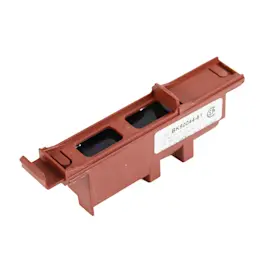
If you are troubleshooting flame stability or pressure issues, the pressure regulator WB19T10078 is one of the components that can affect consistent burner performance.
A cooktop that is aging out often costs more in repeated service calls and can cook unevenly. Catching issues early (ignition, flame quality, gas pressure) helps you get the full expected lifespan from your Kenmore cooktop.
Last updated: January 2026