
What are the most common issues with K2400HH?
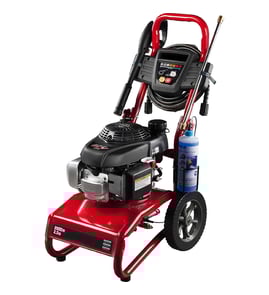
The most common issues we see on the Karcher K2400HH gas pressure washer are no-start or hard-start conditions, low or surging water pressure, leaks at hose or pump connections, and the engine losing power under load. These problems usually trace back to fuel/ignition maintenance, clogged inlet filtration, worn seals, or a sticking unloader valve.
- Won’t start / starts then dies: stale fuel, dirty carburetor, fouled spark plug, low oil (some engines have low-oil shutdown)
- Low pressure or pulsating spray: clogged spray tip, air leak on inlet side, restricted water supply, worn pump valves
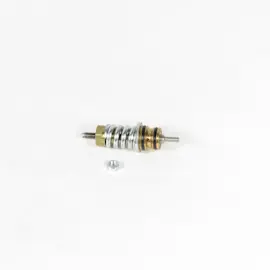
- Pressure spikes or “sprays too hard”: unloader valve sticking or misadjusted, blocked nozzle
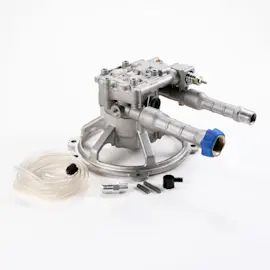
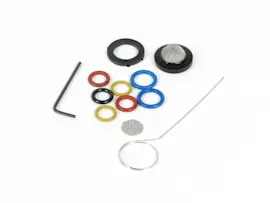
- Water leaking: worn O-rings, loose fittings, cracked hose, pump seal wear
- Engine losing power: dirty air filter, fuel restriction, governor/load issue, pump binding
- Confirm a strong garden-hose supply (fully open spigot; no kinks; adequate flow).
- Clean the spray tip/nozzle and inlet screen; debris is a top cause of low pressure.
- Check engine basics: fresh fuel, correct oil level, clean air filter, good spark plug.
- Inspect for air leaks on the inlet side (loose quick-connects, flattened O-rings).
- If pressure surges when you release the trigger, focus on the unloader and check valves.
| Symptom | Most likely area | Typical fix |
|---|---|---|
| Won’t start | Fuel/ignition | Fresh fuel, clean carburetor, replace spark plug |
| Low/surging pressure | Water supply, nozzle, pump valves | Clear restrictions, reseal fittings, service valves |
| Leaks at connections | O-rings/fittings | Replace O-rings, tighten or replace couplers |
| Pressure too high/spiky | Unloader valve | Clean/service or replace unloader |
Running the K2400HH with restricted water flow, air leaks, or a sticking unloader can overheat the pump and quickly wear seals and valves. Catching these symptoms early protects the pump and improves cleaning performance.
- Use solving pressure washer problems to match your exact symptom to the most likely cause.
- If pressure surges or won’t regulate, follow how to replace a pressure washer unloader valve.
Last updated: March 2026
What is a decent PSI for a pressure washer?
A decent PSI depends on what you’re cleaning. For most home tasks, 1,300 to 2,800 PSI is the practical “sweet spot” and fits typical jobs you’d use a Karcher K2400HH gas pressure washer for, like vehicles, patios, decks, and siding.
- 1,300 to 1,900 PSI: cars, patio furniture, grills, small outdoor tools
- 2,000 to 2,800 PSI: decks, fences, siding, most driveway and patio cleaning
- 2,900 to 3,500 PSI: heavier concrete cleaning, paint prep (use extra care)
- 3,600+ PSI: pro-level work; easy to damage wood, mortar, and finishes
PSI is “how hard” the spray hits; GPM (gallons per minute) is “how much water” you’re moving. For faster cleaning, GPM often matters as much as PSI.
| What you’re comparing | What it affects most | What to look for |
|---|---|---|
| Higher PSI | Stuck-on grime removal | Use only as high as needed |
| Higher GPM | Rinsing speed and productivity | Higher is usually better |
| Right spray tip | Control and surface safety | Match tip angle to the job |
- Start with a wider spray tip and step up only if needed.
- Keep the nozzle moving; don’t “park” the spray on one spot.
- Increase distance first (or back off) before changing tips.
- Avoid blasting directly into wood grain, caulk lines, window seals, and mortar joints.
- If pressure surges or feels inconsistent, check the pump system (unloader and valves) before assuming you need more PSI.
Using more PSI than necessary can etch concrete, shred wood fibers, strip paint, and force water behind siding. Matching PSI and spray tip to the surface cleans better and helps your pump, hose, and seals last longer.
For deeper troubleshooting and performance tips, use our solving pressure washer problems guide.
Last updated: February 2026
Why is my gas pressure washer not building pressure?
If your Karcher K2400HH gas pressure washer runs but won’t build pressure, the most common causes are a restricted water supply, a clogged spray tip, trapped air in the pump, or a sticking unloader valve. Start with the nozzle and inlet checks, then move to the unloader and pump valves.
- Confirm the garden hose delivers a strong, steady flow (not just a trickle).
- Remove the spray tip and rinse it; clear debris from the orifice.
- Clean the inlet screen/filter at the pump water inlet.
- Purge air: connect water, squeeze the trigger, and let water run 30 to 60 seconds before starting the engine.
- Verify you are using the correct spray tip for the job (a wide fan tip will feel “low pressure”).
The unloader valve diverts water when you release the trigger. If it sticks open or is misadjusted, pressure stays low.
- If pressure surges or pulses, suspect the unloader first.
- If pressure is low on all tips, suspect the unloader or pump check valves.
- If pressure is normal briefly then drops, suspect unloader sticking or inlet restriction.
For step-by-step guidance, use our how to replace a pressure washer unloader valve repair guide.
| Symptom | Likely cause | What we recommend |
|---|---|---|
| Low pressure plus sputtering | Air leak on inlet side | Tighten hose connections; replace worn inlet washer/O-ring |
| Low pressure and poor flow | Clogged inlet screen or collapsed hose | Clean screen; use a non-kink hose |
| Pressure pulses | Nozzle partially clogged or unloader issue | Clean/replace tip; inspect unloader |
| Low pressure with normal flow | Worn/sticking pump check valves | Inspect/clean valves; consider a valve kit |
If you suspect pump check valves, our how to install a pressure washer check valve kit guide walks through the typical process.
Running a gas pressure washer with restricted water flow or a stuck unloader can overheat the pump and quickly wear seals and valves. Restoring proper inlet flow and pressure regulation protects the pump and improves cleaning performance.
Last updated: February 2026