Error Codes




How do I find the right GE part number?
For your GE washer model GTW480ASW1WB, the right part number comes from matching the model number and the part location in the diagrams to the exact replacement part listing. This prevents ordering a look-alike part that will not fit your specific washer.
Step-by-step: the fastest way to get the correct part number
- Confirm the model number is GTW480ASW1WB (use the model tag on the washer cabinet, typically under the lid or along the opening).
- Use the model-based parts diagrams to identify the exact part name and reference location.
- Match the diagram callout to the part listing and verify the part ID before ordering.
- If your symptom points to a common failure item, cross-check the part category (drain, fill, spin, lid lock, controls).
- When multiple similar parts appear, match details like color notes, left vs. right, and included hardware.
Common examples for GTW480ASW1WB
These are model-matched examples that customers often need when troubleshooting:
| Washer symptom | Part to look up | Example model-matched part |
|---|---|---|
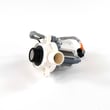
| Will not drain or drains slowly | Drain pump | GE washer drain pump assembly WH23X28418 |
| Excessive shaking or banging | Suspension rods/springs | Washer suspension rod and spring assembly WH16X26911 |
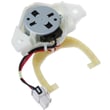
| Won’t shift between agitate and spin | Shifter | Washer shifter assembly WH03X30517 |
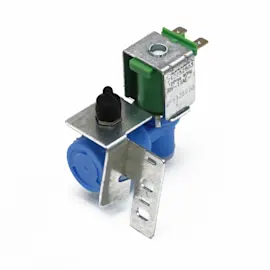
| Won’t fill or fills incorrectly | Water inlet valve | Washer water inlet valve assembly WH13X26535 |
Why it matters
GE often uses multiple revisions of similar-looking washer parts across production runs. Using the GTW480ASW1WB model-based diagram and the exact part ID helps ensure proper fit, correct electrical connectors, and normal cycle performance.
Related troubleshooting help
If you are trying to identify a part because the washer is flashing an error or acting “stuck,” use GE gtw top load washer error codes to narrow the failure to a system (drain, lid lock, motor, control) before ordering parts.
Last updated: February 2026
How to determine GE washer model?
To determine your GE washer model, we look for the model and serial tag on the machine itself. On GE top-load washers like model GTW480ASW1WB, the tag is typically under the lid near the right hinge area, or on the back of the control panel.
Where to find the model and serial tag
Check these common locations on a GE top-load washer:
- Under the washer lid, around the opening near the right-side hinge
- On the back of the control panel (rear exterior)
- Along the top rim of the cabinet opening (near the lid opening)
- On the rear panel of the washer cabinet
What to write down (and why)
Record the information exactly as shown on the tag:
- Model number (example: GTW480ASW1WB)
- Serial number (helps identify production date and revisions)
- Any suffix letters or extra digits (they matter for part compatibility)
Quick checklist
| Item | Example | Used for |
|---|---|---|
| Model number | GTW480ASW1WB | Matching parts and diagrams |
| Serial number | (varies) | Version changes, service history |
| Brand | GE | Correct repair info and parts families |
Why it matters
GE often makes running changes during production. Using the exact model number helps us match the correct washer parts (like a drain pump, shifter, or suspension rods) and avoid ordering a part that looks similar but will not fit.
Helpful next step if you are ordering parts
Once you confirm the model number, compare your symptom to common failures. For example, no drain or slow drain often points to the GE washer drain pump assembly WH23X28418.
Last updated: February 2026
How to order GE appliance parts?
For your GE washer model GTW480ASW1WB, order parts by matching the model number and the exact part ID/part number from the parts list. If you need help identifying the right replacement or completing an order, contact Sears PartsDirect support.
The fastest way to order the right part
- Find the full model number on the washer’s model tag and match it exactly: GTW480ASW1WB.
- Identify the failed part by symptom (no drain, no fill, won’t spin, excessive vibration).
- Match the part by part ID (not just the description) to avoid ordering the wrong revision.
- If the part is in stock, order it directly from the model’s parts list.
- If you’re unsure which part fits your symptom, use the diagrams to confirm location and connections.
Common parts customers order for this model
These examples help you see how part IDs are used when ordering:
| Washer problem | Part to check first | Example part ID |
|---|---|---|
| Washer won’t drain or drains slowly | Drain pump | GE washer drain pump assembly WH23X28418 |
| Washer won’t fill or fills incorrectly | Water inlet valve | Washer water inlet valve assembly WH13X26535 |
| Excessive shaking or banging | Suspension rods/springs | Washer suspension rod and spring assembly WH16X26911 |
Why it matters
Ordering by the exact GE model number and part ID prevents fitment issues, repeat repairs, and return delays. It also helps when a part has multiple similar-looking versions across GE top-load washer platforms.
Last updated: February 2026
What are the internal parts of a washing machine?
A GE top-load washer like model GTW480ASW1WB is built around a wash basket and drive system, plus fill, drain, and control components that move water in and out and control agitation and spin. Most internal parts fall into a few main groups: water handling, motion/drive, suspension, and electronics.
Common internal parts (and what they do)
- Water inlet system: brings hot and cold water into the washer (valves, screens, hoses).
- Tub and basket: the outer tub holds water; the inner basket spins and holds clothes.
- Agitator or wash plate: moves clothes through water and detergent.
- Drain system: removes water during drain and spin (pump, drain hose, outlet path).
- Drive system: creates agitation and spin (motor, belt or direct-drive components, clutch, shifter).
- Suspension system: keeps the tub centered and reduces vibration (rods, springs, dampers).
- Controls and sensors: run cycles and monitor operation (control board, selector switch, speed sensor, lid lock).
Examples of internal parts for GTW480ASW1WB
These are model-matched examples of what you may see inside this GE washer:
| System | Example part | What you might notice when it fails |
|---|---|---|
| Drain | GE washer drain pump assembly WH23X28418 | Won’t drain, water left in tub, humming during drain |
| Fill | Washer water inlet valve assembly WH13X26535 | Won’t fill, fills slowly, wrong temperature mix |
| Suspension | Washer suspension rod and spring assembly WH16X26911 | Excessive shaking, off-balance errors, banging |
| Drive sensing | Washer speed sensor WH03X32158 | Spin issues, stops mid-cycle, speed-related faults |
Why it matters
Knowing which “system” a symptom belongs to helps you troubleshoot faster. For example, a no-drain problem points to the drain pump or drain hose path, while violent shaking points to suspension rods and load balance.
Quick troubleshooting tip
If your washer is acting up and shows a fault, start with GE gtw top load washer error codes to match the code to the most likely internal part or system.
Last updated: February 2026
What can fit in a 4.8 cu ft washer?
A 4.8 cu. ft. washer is a large-capacity top-load size; in a GE GTW480ASW1WB, it typically handles bulky items like a king comforter (depending on fill and fabric) plus everyday loads with fewer cycles. For best results, load loosely so water and detergent can circulate.
What usually fits well in a 4.8 cu. ft. tub
- King or queen comforter (most standard fills)
- 2 to 3 bath towels plus washcloths
- A full set of queen sheets plus pillowcases
- 10 to 14 lightweight T-shirts (or similar mixed clothing)
- 2 to 3 pairs of jeans plus smaller items
Loading tips that prevent poor cleaning and out-of-balance spinning
- Keep items below the top rim of the basket; don’t pack or compress.
- Mix large and small items (for example, towels with a few shirts) to balance the load.
- For bulky bedding, pause and redistribute if the washer starts thumping.
- Use the right water level and cycle for the fabric; bulky cycles add more water and gentler agitation.
- If you see frequent off-balance behavior, inspect the suspension components such as the washer suspension rod and spring assembly WH16X26911.
Quick guide: bulky vs. everyday loads
| Load type | Examples | Best practice |
|---|---|---|
| Bulky | Comforters, blankets, pillows | Load 1 bulky item at a time; add 1 to 2 small items only if needed for balance |
| Heavy absorbent | Towels, robes, sweatshirts | Don’t overfill; use higher water level to rinse thoroughly |
| Mixed everyday | Shirts, underwear, light pants | Fill loosely; distribute evenly around the agitator |
Why it matters
Overloading a large-capacity washer can still cause poor turnover, detergent residue, and out-of-balance spin. Loading loosely helps the GTW480ASW1WB clean better and reduces wear on the tub support and suspension.
Last updated: February 2026
What is the life expectancy of a GE washing machine?
A GE washing machine typically lasts 10 to 14 years. For your GE GTW480ASW1WB top-load washer, consistent care (correct load size, good drainage, and stable spinning) is what most directly determines whether it lands closer to 10 years or pushes beyond that range.
Typical lifespan and what affects it most
Most washer lifespan differences come down to usage and a few high-wear systems.
- Load habits: Overloading and washing heavy items too often shortens life.
- Spin stability: Chronic out-of-balance loads strain the suspension and drive.
- Drain performance: Slow draining makes the pump work harder and longer.
- Water quality: Hard water increases buildup and wear.
- Maintenance routine: Periodic cleaning and inspection prevents small issues from becoming major repairs.
Quick “how long should it last?” guide
| Usage pattern | Typical life expectancy | What to focus on |
|---|---|---|
| Light (few loads/week) | 12 to 14 years | Cleaning, avoiding long idle moisture |
| Average (most households) | 10 to 14 years | Balanced loads, proper detergent |
| Heavy (daily, large loads) | 8 to 12 years | Suspension, drain system, avoiding overload |
Parts that commonly decide whether you repair or replace
When a washer is nearing end-of-life, these are frequent “make-or-break” areas. If symptoms match, checking these parts first often saves time.
- Won’t drain, hums, or leaves water behind: GE washer drain pump assembly WH23X28418
- Excessive shaking or banging during spin: washer suspension rod and spring assembly WH16X26911
- Won’t shift properly between agitate and spin, or has spin issues: washer shifter assembly WH03X30517
Why it matters
Knowing the typical 10 to 14 year window helps you decide whether to invest in a repair (especially for a single failed part) or plan for replacement if multiple major systems are wearing out.
Last updated: February 2026