 Installation guide
 Owner’s manual
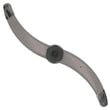


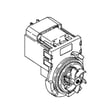
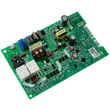

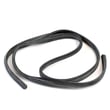
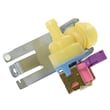
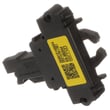

How to order GE appliance parts?
To order parts for your GE GDF510PGR3BB dishwasher, use the complete model number and serial number to match the correct replacement part, then order from the parts list for this model. This helps ensure proper fit and correct electrical connections.
What to have ready before you order
Having the right details up front prevents wrong-part returns and delays:
- Full model number: GDF510PGR3BB
- Serial number (from the rating label)
- Part name (example: drain pump, water valve, control board)
- Symptom you are fixing (not draining, not drying, won’t start)
- Photos of the part and wire connectors (helpful for electrical parts)
Ordering options (what to use and when)
Use the option that fits your situation:
| Situation | Best ordering method | Why it helps |
|---|---|---|
| You want the exact fit for GDF510PGR3BB | Order from the model parts list | Filters parts to your dishwasher version |
| You already know the exact part ID | Search and order by part ID | Fastest way to match the correct item |
| You are unsure which part fixes the symptom | Use diagrams and troubleshooting info | Helps avoid ordering the wrong part |
Common parts customers order for this model
If you are troubleshooting a specific problem, these are frequently replaced items for GDF510PGR3BB:
- Dishwasher drain pump WD19X25461 (draining problems)
- Water valve assembly WD15X27703 (filling problems)
- Dishwasher heating element WD05X35098 (drying or heating issues)
- Dishwasher door latch lock WD01X29878 (won’t start because door won’t latch)
Why it matters
Dishwashers often have multiple versions of similar-looking parts across close model series. Using the exact GDF510PGR3BB model number and confirming the correct part ID helps ensure proper fit, correct electrical connections, and normal wash performance.
Helpful reference
- Use the GDF510PGR3BB owner's manual to confirm where to find the model and serial label and to review basic operating and care guidance.
Last updated: March 2026
Is it worth repairing a GE dishwasher?
Yes, repairing a GE dishwasher like model GDF510PGR3BB is worth it when the unit is under 10 years old, the repair is a single, clear failure (not repeated breakdowns), and the total repair cost stays well below the price of a comparable new dishwasher.
Quick decision checklist
- Repair when the dishwasher is cleaning well overall and you’re fixing one issue (no drain, no heat, won’t fill).
- Repair when the problem points to a common replaceable part such as a pump, valve, latch, or sensor.
- Repair when the tub is in good shape and there are no ongoing leaks.
- Replace when you’ve had multiple major repairs in the last 1 to 2 years.
- Replace when the dishwasher has chronic leaking, heavy corrosion, or repeated electrical failures.
Typical repair cost vs. replacement (rule of thumb)
Use this as a practical way to decide before you order parts or schedule service.
| Scenario | What it usually means | Best choice |
|---|---|---|
| One failed part, straightforward access | Predictable fix | Repair |
| Multiple symptoms (won’t drain + won’t wash + error codes) | Could be more than one part | Diagnose first |
| Repair estimate is near half the cost of a new unit | Diminishing return | Replace |
Parts that commonly make repair worthwhile
On GDF510PGR3BB, these are examples of parts that often solve a specific symptom without replacing the whole dishwasher:
- Not draining: check the drain path; a failed dishwasher drain pump WD19X25461 is a common fix.
- Not filling or filling slowly: the inlet valve can be the cause.
- Poor cleaning: spray arm issues, wash pump issues, or loading and detergent problems.
- Won’t start: door latch alignment, control issues, or settings.
Why it matters
A dishwasher is usually worth repairing when you can tie the symptom to one component and restore reliable washing. When problems stack up, costs rise quickly and you lose the value of the repair.
For model-specific operating tips, detergent guidance, and cleaning recommendations, use the GDF510PGR3BB owner’s manual.
Last updated: February 2026
What is the average life expectancy of a GE dishwasher?
Most GE dishwashers, including model GDF510PGR3BB, typically last 10 to 12 years with normal household use. Consistent cleaning, correct detergent use, and fixing small issues early (draining, filling, heating) are the biggest factors that keep a dishwasher running longer.
Typical lifespan and what changes it
A dishwasher’s service life depends more on conditions than brand name alone.
- Usage frequency: 1 load/day usually wears parts faster than 3 to 4 loads/week
- Water quality: hard water speeds up mineral buildup and can reduce performance
- Maintenance: regular cleaning helps protect the pump, spray arms, and seals
- Loading habits: overloading blocks spray and strains the wash system
- Early repairs: replacing a worn part prevents secondary damage
Maintenance that extends life (high impact)
We recommend following the care steps in the GDF510PGR3BB owner’s manual.
- Clean the interior periodically to reduce odor and mineral film
- Use the right detergent amount for your water hardness (too much can cause etching)
- Keep spray paths clear; do not block the lower spray arm with tall pans
- Check the door seal area for debris after heavy loads
- Run hot water at the sink briefly before starting a cycle (improves wash performance)
Common “end-of-life” symptoms and likely fixes
Some problems feel like the dishwasher is “worn out” but are often repairable.
| Symptom | Common cause | Example part for GDF510PGR3BB |
|---|---|---|
| Won’t drain | drain pump or blockage | Dishwasher drain pump WD19X25461 |
| Not cleaning well | clogged/warped spray arm, low wash pressure | GE dishwasher spray arm, lower WD22X33499 |
| Not drying | heater circuit issue, settings, rinse aid | Dishwasher heating element WD05X35098 |
| Won’t start or stops mid-cycle | door latch issue or control problem | Dishwasher door latch lock WD01X29878 |
Why it matters
A GE dishwasher that is cleaned and loaded correctly usually reaches its full expected lifespan; it also maintains better wash results, drains more reliably, and avoids repeat service calls caused by buildup and restricted water flow.
Last updated: February 2026
What is the most common problem with a GE dishwasher?
The most common GE dishwasher problems are not draining, not starting, and poor cleaning. On the GE GDF510PGR3BB, these issues usually trace back to a clogged drain path, a door that is not fully latching, or wash system problems such as a restricted spray arm or a weak pump. See the GDF510PGR3BB owner's manual for model-specific troubleshooting steps.
Most common issues and what they look like
- Not draining: standing water in the bottom after the cycle
- Won’t start: lights on, but no wash action (often a door latch or control issue)
- Not cleaning well: gritty dishes, detergent left in the cup, or weak spray
- Leaks: water at the front corners or under the door
- Suds/foam: caused by using the wrong detergent type
Quick checks we recommend first
- Confirm the door is closing and latching firmly; a misaligned latch can prevent the cycle from running.
- Use only automatic dishwasher detergent (never hand dish soap); wrong detergent causes suds and poor wash performance.
- Do not block the detergent dispenser with large plates or tall items.
- Clean and de-odorize the tub periodically (citric acid or dishwasher cleaner) to reduce film and odors.
- Check spray arms for clogs (food, labels, hard-water debris) and make sure they spin freely.
Parts that commonly solve these symptoms (when checks don’t)
| Symptom | Common suspect | Example part for GDF510PGR3BB |
|---|---|---|
| Won’t start or stops mid-cycle | Door latch not engaging | Dishwasher door latch lock WD01X29878 |
| Not draining | Drain pump not pumping or jammed | Dishwasher drain pump WD19X25461 |
| Poor cleaning, weak spray | Lower spray arm clogged or damaged | GE dishwasher spray arm, lower WD22X33499 |
| Not filling or fills slowly | Inlet valve restricted/failed | Water valve assembly WD15X27703 |
Why it matters
Drain, latch, and wash-circulation problems can mimic each other. Doing the quick checks first prevents unnecessary part replacement and helps you target the right fix for symptoms like detergent left in the dispenser, standing water, or weak cleaning.
Last updated: February 2026





