Owner’s manual
 Error Codes



Can you replace a thermostat on an electric water heater?
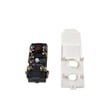
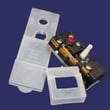
Yes. On the Kenmore 153320593HT electric water heater, you can replace a thermostat if it is not regulating temperature correctly or you have inconsistent hot water. Turn off power first, remove the access panel and insulation, swap the thermostat, then reinstall the terminal cover, insulation, and panel before restoring power.
Safety first (do this every time)
Electric water heaters use high voltage; treat this as an electrical repair.
- Turn OFF power at the junction box or breaker before removing any access panel.
- Confirm power is off with a meter before touching wires.
- Never energize the heater until the tank is completely full and water flows from a hot faucet.
- Keep the thermostat flush against the tank when reinstalling.
- Reinstall the plastic terminal cover and insulation block before closing the panel.
Basic replacement steps (what the manual has you do)
Use the owner's manual for the exact panel locations and wiring details for your 153320593HT.
- Turn power OFF.
- Remove the upper or lower access panel (depending on which thermostat you are replacing).
- Pull off the adjustment knob/dial; remove the insulation block.
- Unclip and remove the plastic terminal cover.
- Move wires off the thermostat terminals (take a photo first so you can match connections).
- Install the new thermostat so it sits flat against the tank; reconnect wires and tighten terminal screws.
- Reinstall terminal cover, insulation block, and access panel.
- Fill tank completely, then turn power ON.
Temperature setting guidance
Most households run best around 120°F to reduce scald risk and save energy.
| Setting goal | Typical thermostat setting | What you may notice |
|---|---|---|
| Safer, efficient | ~120°F | Plenty of hot water for most use |
| Hotter water | 130°F to 140°F | Higher scald risk; more energy use |
Parts that are commonly replaced with a thermostat
If you are already inside the access panel, these parts often come up in the same repair:
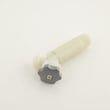
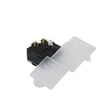
- Water heater thermostat 100108683 (upper thermostat)
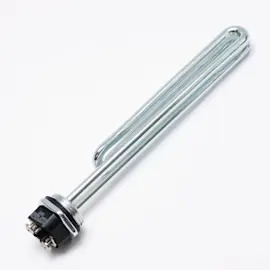
- Heating element (if water is cold or breaker trips)
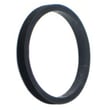
- Water heater heating element gasket 100108379 (helps prevent leaks after element service)
Why it matters
A thermostat that is loose against the tank, miswired, or left without insulation can cause poor temperature control, overheating, or unsafe operation. Reinstalling the terminal cover, insulation, and access panel is part of the repair, not optional.
Last updated: February 2026
What are the symptoms of a bad anode rod in a water heater?
A failing anode rod in your Kenmore 153320593HT water heater most often shows up as smelly hot water (a rotten egg odor), rusty or discolored hot water, or visible heavy corrosion when the rod is inspected. If the rod is used up too long, the tank becomes vulnerable to rust and leaks.
Common symptoms you can notice
- Rotten egg smell from hot water (hydrogen sulfide odor)
- Rusty, brown, or cloudy hot water
- Metallic taste or odor in hot water
- New or worsening leaks around the anode rod port or fittings
- Accelerated tank corrosion (often followed by tank leakage)
What the manual says about smelly water
Your water heater uses at least one anode rod to protect the tank from corrosion. Under certain water conditions, the anode can react and create a rotten egg smell. The manual’s guidance is to address the odor by replacing the anode with a less active material and treating the tank and hot water lines; it also warns not to remove the anode and leave the tank unprotected. For model-specific safety and service steps, follow the owner's manual.
Quick check: “normal” vs “anode-related” issues
| Symptom | More likely anode-related | More likely something else |
|---|---|---|
| Rotten egg smell (hot water) | Yes | Sometimes (water supply bacteria) |
| Rumbling/popping during heat-up | Sometimes | Often scale on heating elements |
| Rusty hot water | Yes | Sometimes old galvanized plumbing |
| Water at anode rod location | Yes | Also possible from nearby fittings |
Parts that commonly come up with anode rod problems
If inspection shows the rod is heavily depleted, replacement is the fix. For this model, we commonly see these parts used:
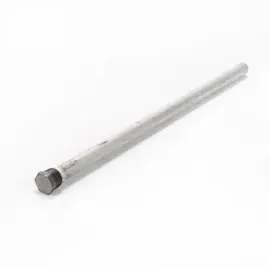
- Anode rod 100108660 (primary corrosion protection)
- Second anode 100300397 (additional corrosion protection on some configurations)
Why it matters
The anode rod is designed to “sacrifice” itself so the steel tank does not. Replacing it on time helps prevent premature tank rust-through, water discoloration, and avoidable leaks.
Last updated: February 2026
What is the average lifespan of an electric hot water tank?
Most electric hot water tanks last 10 to 15 years in typical home use. For your Kenmore 153320593HT electric water heater, regular maintenance (especially flushing sediment and checking the anode rod) helps you reach the upper end of that range; see the maintenance and safety details in the owner's manual.
Typical lifespan and what affects it
An electric tank’s life is mainly limited by tank corrosion and sediment buildup that overworks the heating elements and thermostats.
Common factors that shorten lifespan:
- Hard water and heavy sediment accumulation
- Infrequent flushing and draining
- A worn anode rod (tank corrodes faster)
- High temperature settings (more stress and scale)
- Leaks at fittings or the element gasket
Maintenance that helps you get the full 10 to 15 years
We recommend these routine checks for the Kenmore 153320593HT:
- Flush the tank periodically to reduce sediment.
- Inspect and replace the anode rod when significantly depleted.
- If you service internal components, shut off power first and drain the tank as directed.
- Watch for signs of scale or overheating that can damage an element.
Helpful model-matched parts you may need during service:
Quick guide: when to repair vs replace
| Symptom | Most likely fix | Replace the tank when… |
|---|---|---|
| Not enough hot water | Element or thermostat service | Tank is leaking from the body |
| Rumbling/popping | Flush sediment; inspect element | Repeated heavy sediment returns quickly |
| Rusty or smelly water | Replace anode rod | Corrosion persists with a new anode |
| Water on floor | Check drain valve or relief valve | Leak is from the tank seam/weld |
Why it matters
A failing tank can waste energy and deliver inconsistent hot water. Staying ahead of sediment and corrosion protects key components like the heating element and thermostat, and it helps you avoid an unexpected loss of hot water.
Last updated: February 2026
What is usually the most common water heater problem?
For the Kenmore 153320593HT electric water heater, the most common problem we see is not enough hot water caused by an electrical supply issue, a thermostat setting/problem, or scale buildup on the heating elements that reduces heating performance and can cause rumbling noises. See the troubleshooting section in the owner's manual.
Most common issues (and what they look like)
- No hot water or not enough hot water: breaker tripped, fuse blown, disconnect switch off, or thermostats not set correctly
- Rumbling or popping sounds: mineral scale on the heating elements
- Smelly hot water (rotten egg odor): water chemistry reacting with the anode rod
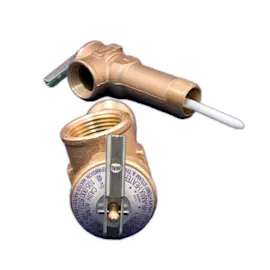
- Water on the floor: condensation, loose connections, relief valve discharge, or element gasket seepage
- High temperature shutoff tripped: hot water was very hot, then suddenly no hot water until reset
Quick checks we recommend first (electric models)
- Confirm the water heater circuit breaker is ON (older breakers can weaken and trip under load).
- Verify the tank is completely full of water before power is on (running dry can damage elements).
- Check thermostat temperature settings and access panels for signs of overheating.
- If you hear rumbling, plan to inspect and clean or replace the elements.
Common symptom-to-cause guide
| Symptom | Most likely cause | What usually fixes it |
|---|---|---|
| No hot water | Power supply off, blown fuse, tripped breaker | Restore power; correct wiring/supply issues |
| Not enough hot water | Thermostat setting, failing thermostat, scaled element | Adjust settings; test/replace thermostat or element |
| Rumbling noise | Scale/mineral deposits on element | Clean/replace element |
| Rotten egg smell | Anode rod reaction with water | Anode service; tank and line treatment (keep anode installed) |
Parts that commonly solve these problems
If troubleshooting points to a failed component, these are common replacements for this model:
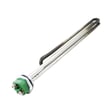
- Heating element: element 100108346 or element 100093526
- Temperature control: water heater thermostat 100108683
- Leak at element opening: water heater heating element gasket 100108379
- Odor/corrosion protection: anode rod 100108660
Why it matters
Catching the “common” problems early (power issues, thermostat problems, scale on elements, or small leaks) helps restore hot water faster and can prevent element damage, nuisance shutoffs, and water damage around the tank.
Last updated: February 2026