




Can I replace AC spare parts myself?
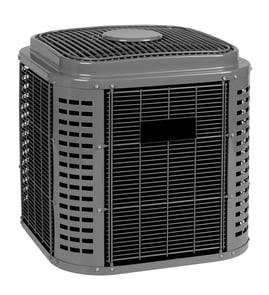
Yes, you can replace some spare parts on your Icp ACS018A2C1 central air conditioner yourself, as long as the repair stays within basic electrical and mechanical work. Anything involving refrigerant handling, sealed-system work, or uncertain wiring should be handled by a qualified HVAC technician.
What you can usually replace yourself (DIY-friendly)
These tasks are typically straightforward if you can safely shut off power and follow wiring exactly:
- Replace a worn or pitted contactor (common cause of outdoor unit not starting)
- Replace a condenser fan motor or fan assembly if the fan won’t spin or is noisy
- Replace damaged wires or connectors (burnt terminals, cracked insulation)
- Tighten loose electrical connections (only after power is fully off)
- Clear debris around the outdoor unit and straighten lightly bent coil fins
Helpful model-matched parts we stock include the fan 1085684 and plug wire 1083654.
Repairs you should not DIY
Central AC systems combine high voltage and pressurized refrigerant. These jobs require specialized tools and training:
- Refrigerant recovery, charging, or leak repair
- Compressor, coil, or metering-device replacement
- Diagnosing repeated breaker trips when the cause is not obvious
- Any repair where you cannot confirm wire-for-wire connections
Safety steps we recommend before any AC repair
- Turn off power at the disconnect and the breaker (verify power is off)
- Take a clear photo of wiring before removing any wires
- Label wires one at a time; move them wire-for-wire to the new part
- Use insulated tools and keep hands clear of the fan blade
- If you smell burning insulation or see melted terminals, stop and have the system inspected
Quick decision guide
| Situation | DIY? | What to do |
|---|---|---|
| Outdoor unit hums but fan does not spin | Often | Inspect/replace fan components (match by model) |
| Outdoor unit will not start, thermostat calls for cooling | Sometimes | Check contactor and wiring; replace if visibly worn |
| Ice on lines/coil or weak cooling | No | Refrigerant or airflow diagnosis by a technician |
| Breaker trips repeatedly | No | Electrical diagnosis to prevent damage |
Why it matters
A central air conditioner like the ACS018A2C1 uses high-voltage controls and a sealed refrigerant circuit. Choosing the right DIY boundary helps prevent equipment damage, nuisance breaker trips, and unsafe wiring mistakes.
Last updated: February 2026
How much should a central air conditioner cost?
A central air conditioner typically costs about $3,500 to $8,500 installed for many homes; pricing goes up when ductwork repairs, electrical upgrades, or higher-efficiency equipment are needed. For Icp model ACS018A2C1, total cost depends on system matching (indoor coil and refrigerant) and installation labor.
Typical cost ranges (what you’re paying for)
- Equipment (outdoor condenser plus matched indoor coil): $1,800 to $5,000+
- Labor (remove, set, braze, evacuate, charge): $1,200 to $3,500+
- Permits and disposal: $100 to $600
- Electrical work (disconnect, whip, breaker, wiring): $200 to $1,200
- Ductwork fixes (if needed): $500 to $3,000+
What changes the price the most
- System size (tons/BTU): larger capacity costs more
- Efficiency level: higher efficiency increases equipment cost
- Refrigerant and compatibility: mismatched components add parts and labor
- Access and complexity: rooftop installs, tight clearances, long line sets raise labor time
- Add-ons: thermostat, surge protection, condensate safety switches
Quick comparison table
| Scenario | Typical installed cost | Notes |
|---|---|---|
| Straight swap (good ducts, easy access) | $3,500 to $6,000 | Most common replacement case |
| Higher-efficiency upgrade | $5,500 to $8,500+ | Higher equipment cost, possible airflow changes |
| Duct or electrical work needed | $6,000 to $10,000+ | Costs stack quickly with upgrades |
Why it matters
Central AC pricing is driven mostly by labor, compatibility, and home conditions, not just the outdoor unit. A single failed electrical component can mimic “needs replacement” symptoms, so confirming the actual failure can prevent unnecessary system replacement.
Before you replace the whole system
- Shut off power at the disconnect and breaker; then check for burnt wiring or loose connections
- If the outdoor unit won’t start but you hear a click or hum, the Fan 1085684 can be part of the no-cool symptom (fan not running or running poorly)
- Look for damaged or loose leads; the Plug wire 1083654 is an example of a wiring component that can cause intermittent operation
- Use a meter to verify voltage safely; follow How to use a multimeter to test electrical parts video
- If you’re not comfortable working around high voltage HVAC components, stop and contact Sears PartsDirect support or a qualified technician
Last updated: February 2026
What is the most common AC repair?
The most common central AC repair is fixing an electrical start or run problem, most often in the outdoor unit (for example, a worn contactor or a failing fan circuit). On Icp model ACS018A2C1, these issues commonly show up as no cooling, a humming outdoor unit, or the condenser fan not running.
Most common repairs we see (and what you notice)
- Contactor not pulling in or pitted contacts: outdoor unit will not start, or it starts intermittently.
- Condenser fan problems (motor or blade issues): outdoor unit runs hot, trips, or the fan will not spin.
- Loose/burned wiring connections: random shutdowns, melted insulation, or a burning smell near the disconnect.
- Dirty condenser coil or blocked airflow: reduced cooling, higher electric use, frequent cycling.
- Clogged condensate drain (indoor side): water around the furnace/air handler, system may shut off on safety.
Quick checks you can do before replacing parts
- Set thermostat to Cool and lower the setpoint 3 to 5 degrees.
- Check the air filter and replace if dirty.
- Make sure the outdoor condenser coil is clear of debris and the top grille is unobstructed.
- Listen for a click at the outdoor unit when cooling starts (often points to the contactor circuit).
- If you use a meter, test safely with a proven method: how to use a multimeter to test electrical parts video.
Common “symptom to likely fix” guide
| Symptom | Most likely area | Common next step |
|---|---|---|
| Outdoor unit does nothing | Contactor/control power | Inspect/replace contactor; check low-voltage wiring |
| Outdoor unit hums, fan not spinning | Fan circuit | Inspect fan; check capacitor (if equipped) |
| Runs but cools poorly | Airflow/coil/refrigerant | Clean coil; verify airflow; have refrigerant checked |
| Trips breaker | Fan/compressor electrical | Inspect wiring, fan, contactor; check for shorts |
Parts that often solve the “no start” and “fan not running” calls
For ACS018A2C1, these are common service parts we stock for typical outdoor-unit failures:
- Fan 1085684 (condenser fan)
- Plug wire 1083654 (wiring repair)
Why it matters
Electrical and airflow problems force the compressor and fan system to work harder, which increases heat and amperage. Fixing the root cause early helps prevent repeat shutdowns and protects major components.
Last updated: February 2026
What is the most expensive part to replace on an AC unit?
In most central air conditioners (including Icp model ACS018A2C1), the compressor is typically the most expensive single part to replace because it is the core of the refrigerant system and often requires refrigerant recovery, sealed-system work, and significant labor.
What usually costs the most (and why)
The compressor is the top-cost repair in most AC systems because it combines an expensive component with specialized service steps.
- Compressor: highest part cost; sealed-system labor and refrigerant handling add cost
- Outdoor control board/inverter (on some systems): can be expensive when present
- Condenser coil: costly if replacement is needed and access is difficult
- Blower motor (indoor unit): can be a higher-cost electrical repair
- Major electrical failures: can add troubleshooting time and multiple parts
How this relates to your ACS018A2C1 parts list
On this model’s parts list, the items you commonly replace are usually not the most expensive repairs, but they are frequent failure points and can prevent bigger problems.
| Part on this model | What it does | Typical symptom when failing |
|---|---|---|
| Fan 1085684 | Moves air across the outdoor coil | Unit runs but cools poorly; overheating; trips on safety |
| Contactor (part number 1050699) | Switches high voltage to the outdoor unit | Outdoor unit will not start; clicking; intermittent operation |
| Plug wire 1083654 | Electrical connection lead | No-start, intermittent operation, visible damage/corrosion |
Quick checks before assuming a “big” failure
We recommend ruling out common electrical and airflow issues first because they can mimic compressor problems.
- Confirm the thermostat is calling for cooling
- Check the outdoor disconnect and breaker (reset once if tripped)
- Inspect the contactor for pitting/burn marks
- Verify the outdoor fan spins freely and runs reliably
- Look for dirty coils or blocked airflow around the outdoor unit
Why it matters
A compressor-level repair is often the decision point for whether to repair or replace an older system, while smaller repairs (like a fan or contactor) can restore cooling quickly and protect the compressor from overheating.
Last updated: February 2026