Owner’s manual
 Error Codes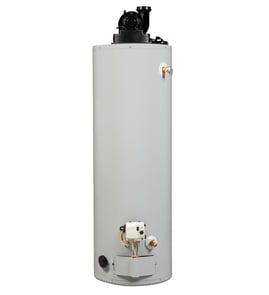





Do I need 10 2 or 10 3 for a water heater?
For the Kenmore 153332420 gas water heater, you typically do not use 10/2 or 10/3 cable because the heater runs on gas for heating; any electrical connection is usually a small 120V supply for controls or ignition. Use the wiring method and circuit requirements listed in the 153332420 owner's manual.
How to choose the right cable (based on what the heater actually needs)
Use the appliance type and voltage to decide:
- Gas water heater (like model 153332420): usually no 240V heating circuit, so 10/2 or 10/3 is normally unnecessary
- 240V electric tank water heater (common 4,500 to 5,500W): typically a 30-amp, 240V circuit using 10/2 with ground
- Electric water heater needing a neutral (uncommon): may call for 10/3 with ground
- If you are unsure whether a neutral is required: follow the wiring diagram and electrical specs in the manual
10/2 vs 10/3: what the difference means
| Cable type | Conductors (plus ground) | Typical use case | When it matters |
|---|---|---|---|
| 10/2 w/ground | 2 insulated + ground | 240V loads that do not need neutral | Most standard electric water heaters |
| 10/3 w/ground | 3 insulated + ground | 240V loads that also need neutral | Controls/timers that require 120V neutral |
Quick safety checks before you buy wire
- Confirm whether your unit is gas or electric (model 153332420 is gas)
- Verify the required voltage (120V vs 240V) and circuit size in the manual
- Make sure the circuit has proper grounding
- Provide proper service clearance around the heater (the manual calls out 24 inches minimum front clearance for inspection/service)
Why it matters
Using 10/2 or 10/3 is only correct when the heater is a 240V electric load. For a gas water heater, the key is matching the correct voltage and wiring method for the ignition/control system so the heater operates reliably and safely.
Last updated: January 2026
What is the life span of a gas water heater?
A gas water heater typically lasts 8 to 12 years. For Kenmore model 153332420, lifespan depends heavily on water quality, how much hot water you use, your temperature setting, and the installation environment; consistent maintenance can help you reach the upper end of that range. See the 153332420 owner's manual for model-specific care and safety guidance.
What affects lifespan most
- Water quality: hard or corrosive water accelerates tank wear and sediment buildup.
- Water temperature setting: higher settings increase stress on the tank and components.
- Usage level: heavy daily demand increases burner run time and wear.
- Installation environment: moisture, poor airflow, and poor venting can contribute to problems.
- Maintenance habits: periodic draining and inspection helps reduce sediment-related damage.
Maintenance that helps you get the full service life
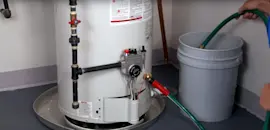
- Drain a few gallons periodically to reduce sediment (and do a full flush when needed).
- Keep the burner area clean and make sure combustion air openings are not blocked.
- Inspect for leaks and address small drips early.
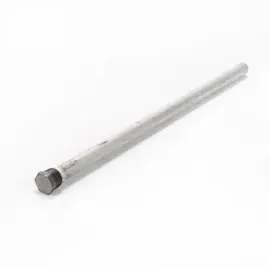
- Check the anode rod condition and replace it when it is heavily worn; the anode protects the tank from corrosion.
- Keep safe water temperature settings to reduce scald risk and unnecessary stress.
| What you notice | What it often means | What to do next |
|---|---|---|
| Rumbling or popping | Sediment buildup in the tank | Flush the tank; review maintenance steps in the manual |
| Rusty water or rust at fittings | Corrosion progressing | Inspect connections; check the anode rod |
| Water around the base | Possible tank leak | Shut off water and gas; plan replacement |
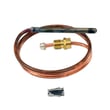
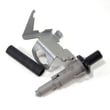
| Not staying lit | Pilot or thermocouple issue | Inspect/replace thermocouple 100108267 or water heater pilot assembly 100111380 |
Why it matters
Once a gas water heater gets past the typical 8 to 12-year window, the risk of tank leakage rises quickly. Planning ahead helps you avoid unexpected loss of hot water and potential property damage.
Last updated: January 2026
What is the most common problem with a gas hot water heater?
The most common gas water heater problem is the burner not staying lit, which shows up as no hot water or inconsistent hot water. On Kenmore model 153332420, this is often tied to the pilot safety system (thermocouple/pilot) or restricted combustion air from dust and lint buildup; see the 153332420 owner's manual.
Quick checks we recommend first
- Confirm the pilot is lit and stays lit after you release the control knob.
- Check for a “lazy” yellow flame or soot, which points to poor combustion air.
- Clean lint and dust from the base-ring filter/flame arrestor area (dirty environments need periodic cleaning).
- Make sure the heater has adequate make-up air if it is in a closet or small enclosed space.
- If the heater has been unused for 2 weeks or more, run hot water at the farthest faucet for several minutes before using appliances.
Common causes and what they look like
| Symptom | Most likely cause | What to do next |
|---|---|---|
| Pilot won’t stay lit | Weak thermocouple signal or failing pilot components | Inspect/replace the thermocouple 100108267 or water heater pilot assembly 100111380 |
| Burner shuts down after running | Overheating from restricted air or ventilation issues | Clean intake areas; verify combustion air openings and venting |
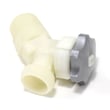
| Rumbling or popping sounds | Sediment buildup in the tank | Flush the tank; consider inspecting the water heater drain valve 100108778 |
| Water temperature swings | Normal variation at fixtures or control issues | Verify temperature setting and mixing valves; follow manual guidance |
Why it matters
A gas water heater relies on safe combustion and a working pilot safety shut-off. If airflow is restricted, heat can build up and trip safety devices; if the thermocouple does not sense flame, gas shuts off and the burner cannot run. Fixing the root cause restores reliable hot water and helps prevent nuisance shutdowns.
Helpful reference
- Use the Kenmore gas water heater error codes guide to interpret any status lights or diagnostic codes before replacing parts.
Last updated: January 2026