Owner’s manual
 View engine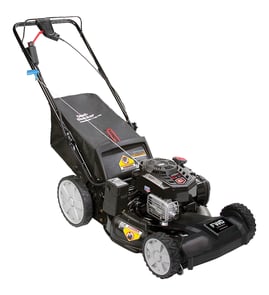



How to read CRAFTSMAN model number?
For a Craftsman gas walk-behind mower like model 917377180, the model number is the identifier we use to match the correct parts list and diagrams to your exact mower. On this mower, the owner’s manual shows the model as 917.377180 (same model; the dot is just formatting). Use 917377180 when searching parts.
Where to find the model number on the mower
Check these common locations on Craftsman walk-behind mowers:
- The rear of the mower deck near the discharge opening
- The top of the deck near the engine mounting area
- Near the handle brackets or height adjuster area
- On a product identification label or stamped tag on the deck
If the label is dirty or faded, wipe the area clean and use a flashlight; stamped numbers can be easier to see at an angle.
How to read the number you find
Model numbers can appear with punctuation or spaces. For this mower, you may see 917.377180 on paperwork, but we treat it as 917377180 for parts lookup.
| What you see | What it means | What to use for parts |
|---|---|---|
| 917.377180 | Manual formatting | 917377180 |
| 917377180 | Model number without punctuation | 917377180 |
| 143.006700 | Engine model number (separate from mower model) | Use only for engine-specific parts |
Why it matters
Using the correct model number prevents ordering the wrong blade, drive belt, or control parts. Even small changes between similar Craftsman mowers can affect deck parts, self-propelled drive components, and hardware.
Helpful next steps
- Confirm the mower model number first using the owner's manual
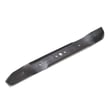
- If you are ordering cutting parts, match the deck size and blade style; a common replacement is the lawn mower blade 532406713
- If you are troubleshooting self-propelled issues, check the drive system parts list; the belt 532157769 is a common wear item
Last updated: February 2026
Is it cheaper to repair or replace a lawn mower?
For a Craftsman 917377180 gas walk-behind lawn mower, it’s usually cheaper to repair when the problem is routine wear (blade, belt, cable, tune-up items). Replace the mower when the repair involves major engine damage or repeated drive-system failures that keep coming back.
A simple cost rule we use
A practical guideline is: repair when the total fix is under about half the cost of a comparable new mower. This keeps you from sinking money into a mower that still may need more work soon.
Repairs that are typically worth it
These are common, lower-cost fixes that often restore performance quickly:
- Replace a worn or bent blade
- Replace a slipping or broken drive belt
- Replace a stretched or sticking control cable
- Tighten or replace loose hardware (nuts, bolts, washers)
- Do a basic tune-up and follow the maintenance schedule in the owner's manual
When replacement usually makes more sense
Replacement is typically the better value when:
- The engine has low compression, severe internal wear, or a bent crankshaft
- The mower has multiple major issues at once (engine plus drive plus deck damage)
- You are paying for repeated repairs each season and reliability is still poor
- The deck or key safety guards are damaged and the mower can’t be returned to safe operation
Quick examples (repair vs. replace)
| Situation | Typical direction | Why |
|---|---|---|
| Blade is dull, mower cuts poorly | Repair | Wear item; fast improvement |
| Self-propel won’t move due to belt/cable | Repair | Common drive issue; parts-based fix |
| Engine damage or persistent hard-starting after tune-up | Replace | Major labor and uncertain payoff |
Parts that commonly support a cost-effective repair
If your issue matches one of these, repair is often the economical path:
- Cutting performance: lawn mower blade 532406713
- Self-propel drive: belt 532157769
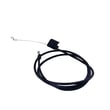
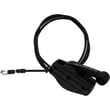
- Drive engagement: control cable 532168552
Why it matters
A mower that’s maintained on schedule (oil checks, fastener checks, blade inspection, annual tune-up items) tends to deliver a much better return on repair dollars. Preventive maintenance also reduces the chance of expensive failures later.
Last updated: February 2026
What is the life expectancy of a gas-powered lawn mower?
Most gas-powered walk-behind lawn mowers last 8 to 10 years with normal residential use and routine maintenance. For your Craftsman 917377180, consistent oil changes, cleaning grass buildup, and off-season storage steps from the owner's manual help you reach (and often exceed) that typical lifespan.
What affects mower lifespan the most
- Maintenance frequency: oil checks and oil changes on schedule
- Cooling airflow: keeping the engine area clear of grass and chaff
- Deck and drive cleanliness: removing packed grass under the deck and under the drive cover
- Wear items replaced on time: blade, blade adapter, belts, wheels, cables
- Storage habits: cleaning, lubricating, and storing dry at season end
Maintenance intervals to follow (typical for this model)
The manual calls out oil and cleaning habits that directly impact engine life.
| Task | Practical interval | Why it matters |
|---|---|---|
| Check engine oil level | Before each use and about every 5 hours of run time | Prevents low-oil engine damage |
| Change engine oil | Every 25 hours or at least yearly | Reduces wear and overheating |
| Clean underside of deck | After each use | Prevents corrosion and poor cutting |
| Clean under drive cover | At least twice per season | Helps self-propel drive work correctly |
Signs it is near end-of-life (or needs major service)
- Hard starting even with fresh fuel and a good spark plug
- Excessive vibration (possible blade, adapter, or crankshaft issues)
- Loss of self-propelled drive or slipping under load (often belt or drive wear)
- Persistent overheating from heavy debris buildup
- Repeated repairs needed each season
Parts that commonly extend service life
Replacing wear parts restores performance and reduces strain on the engine and drive system.
- Lawn mower blade 532406713 (clean cut, less engine load)
- Belt 532157769 (restores self-propel drive)
- Control cable 532168552 (improves drive and operator control)
Why it matters
A mower that is cleaned, kept full on oil, and stored properly runs cooler and wears slower. That translates into easier starting, better cut quality, and fewer expensive repairs over time.
Last updated: February 2026
Should I use 87 or 89 gas for lawn mower?
Use 87 octane regular unleaded gasoline in your Craftsman 917377180 gas walk-behind lawn mower. The owner's manual specifies regular unleaded gas with a minimum of 87 octane, says do not mix oil with gasoline, and recommends buying fuel you can use within 30 days for freshness.
What to use (and what to avoid)
- Use regular unleaded gasoline, 87 octane minimum.
- Do not mix oil with gasoline; the engine uses separate crankcase oil.
- Buy fuel in small quantities so it is used within 30 days.
- Refuel only after the engine cools; wipe up any spills before starting.
- If the mower has been sitting, drain old fuel and refill with fresh gas.
87 vs 89: what changes?
Octane is mainly about preventing knock in higher-compression engines. On a mower engine designed for 87, 89 typically does not add power or improve cutting performance; it just costs more.
| Fuel choice | Recommended for 917377180 | What you will notice |
|---|---|---|
| 87 octane (regular) | Yes | Normal starting and performance |
| 89 octane (mid-grade) | Not needed | Usually no change |
| Stale/old gas | No | Hard starting, surging, rough running |
Why it matters
Using the correct fuel grade and keeping gasoline fresh helps the carburetor and fuel system stay clean, improves starting, and keeps engine speed steady when mowing thicker grass.
Last updated: February 2026