Owner’s manual
 View engine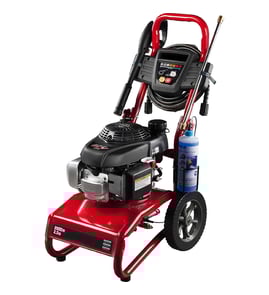




Are pressure washer accessories interchangeable?
Not always. For the Craftsman 580752180 gas pressure washer, many accessories connect through quick-connect fittings (like the spray tips), but hoses, spray guns, and specialty attachments can use different connector styles and sizes, so compatibility depends on the exact connection type and pressure rating.
What usually interchanges (and what usually does not)
Here are the most common compatibility rules we see with gas pressure washers like the Craftsman 580752180:
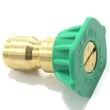
- Spray tips (quick-connect): Often interchangeable if they use the same quick-connect style.
- Spray tip extensions (wands): Often interchangeable if the end fittings match.
- High-pressure hoses: Not universal; ends can differ (quick-connect vs threaded, different thread sizes).
- Spray guns: Not universal; inlet/outlet fittings and flow ratings must match the pump and hose.
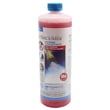
- Chemical injectors, turbo nozzles, brushes: Often model-dependent; connector type and flow requirements matter.
Quick compatibility checklist
Before buying or swapping an accessory, match these items:
- Connector type (quick-connect vs threaded)
- Thread size and pitch (if threaded)
- Pressure rating (PSI) equal to or higher than your washer
- Flow rating (GPM) compatible with your pump
- Location of the connection (pump outlet, hose end, gun inlet, wand tip)
Common connections at a glance
| Accessory | Most common mismatch | What to match first |
|---|---|---|
| Spray tips | Different quick-connect style | Tip connection style on the wand |
| Hose | Threaded ends vs quick-connect ends | Both hose-end fittings |
| Spray gun | Inlet fitting mismatch | Hose-to-gun connection |
| Chemical injector | Wrong fitting or flow requirement | Injector fitting type and GPM |
Why it matters
Using an accessory with the wrong connector or rating can cause leaks, poor cleaning performance, or damage to seals and fittings. The owner information for your unit also includes safety guidance for using spray tips and handling high-pressure spray; follow the owner's manual before changing accessories.
Parts that fit this model
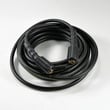
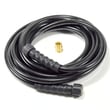
If you need a replacement hose that is listed for this model, use the model-matched pressure washer hose 84006753 to avoid connector and rating issues.
Last updated: February 2026
Can you put 87 gas in a pressure washer?
Yes. For the Craftsman pressure washer model 580752180, we recommend clean, fresh unleaded gasoline with a minimum of 87 octane (87 AKI). Using the correct fuel helps prevent hard starting, poor performance, and fuel-system damage; see the fuel requirements in the 580752180 owner's manual.
Fuel requirements for model 580752180
Use gasoline that meets these guidelines:
- Unleaded gasoline
- 87 octane (87 AKI) minimum
- Up to 10% ethanol (gasohol) is acceptable
- Up to 15% MTBE is acceptable
- Do not use E85
What to use vs. what to avoid
| Fuel type | OK to use? | Notes |
|---|---|---|
| 87 octane unleaded | Yes | Minimum recommended octane for this model |
| 88 to 93 octane unleaded | Yes | Fine to use; does not replace proper maintenance |
| E85 | No | Not an approved fuel for this engine |
| Gas mixed with oil | No | Do not mix oil into the gasoline |
Tips to prevent starting and performance problems
- Buy fuel in small quantities so it stays fresh
- If fuel sits in the tank, add fuel stabilizer as directed in the 580752180 owner's manual
- If the engine starts running poorly after refueling, switch gas brands or stations
- Keep the unit level when fueling and operating to help the engine run correctly
Why it matters
Gas pressure washers rely on a small engine and carburetor that can gum up quickly with stale or incorrect fuel. Sticking with 87 octane (or higher) unleaded and avoiding E85 helps protect the fuel system and keeps the washer starting and running reliably.
Last updated: February 2026
Is it worth repairing a pressure washer?
Yes, repairing a pressure washer is worth it when the problem is a common wear item (hose, seals, inlet screen, spray tip issues) or routine maintenance, because the fix is usually straightforward and restores performance quickly. For a Craftsman 580752180 gas pressure washer, we use the troubleshooting and maintenance guidance in the owner's manual to decide whether a repair is practical.
Quick way to decide (repair vs. replace)
Use this checklist first; it matches the most common cost and reliability breakpoints.
- Repair it if the issue is a leak, clog, or maintenance item (inlet screen, hose, spray gun leaks, dirty air filter, old spark plug).
- Repair it if the engine runs but performance is poor (often maintenance, air in the pump, or a restriction).
- Repair it if the high-pressure hose is damaged; a failed hose is a common, fixable problem.
- Replace it if the engine has major internal damage or the pump has severe failure and the repair cost approaches a large share of a new unit.
- Replace it if it has repeated breakdowns even after you complete the maintenance schedule.
What we check first on model 580752180
The manual calls out routine inspections that directly affect whether a repair will “stick.”
- Check the high-pressure hose for leaks or damage.
- Check the gun and spray tip extension for leaks.
- Purge the pump of air and contaminants.
- Check and clean the water inlet screen (clean if clogged; replace if torn).
- Clean debris from the unit and keep cooling openings unobstructed.
If you need a replacement hose, match it to the model-listed part: pressure washer hose 84006753.
Typical repair scope and effort
| Problem you see | Most common cause | Typical fix |
|---|---|---|
| Low pressure or surging | Clogged inlet screen, air in pump, worn seals | Clean screen, purge pump, inspect for leaks |
| Water leaking | Hose or fitting leak, gun leak | Replace hose, reseal fittings |
| Runs rough or loses power | Maintenance overdue (oil, air filter, spark plug) | Perform scheduled maintenance |
Why it matters
A pressure washer that is maintained on schedule runs cooler, starts easier, and avoids premature pump and engine wear. The owner's manual maintenance chart is the fastest way to prevent “small” issues from turning into expensive failures.
Last updated: February 2026
What is a good PSI for a gas pressure washer?
A good PSI for a gas pressure washer depends on what you’re cleaning; for typical home jobs, about 1,300 to 2,800 PSI covers most needs. Your Craftsman pressure washer model 580752180 is rated for 2,200 PSI, which is a strong all-around level for decks, siding, and driveway spot cleaning (with the right spray tip). See the owner's manual for the rated pressure and spray tip guidance.
Quick PSI guide by task
- 1,300 to 2,000 PSI: cars, patio furniture, grills, light mildew
- 2,000 to 2,800 PSI: decks, fences, siding, concrete spot cleaning
- 2,800 to 3,500 PSI: heavy concrete cleaning, paint prep (more risk of damage)
- Higher PSI: typically pro-grade use; requires more technique and surface testing
How your 580752180’s spray tips affect “usable” pressure
Your washer’s output changes based on the quick-connect tip you install. The manual lists these typical tip ratings:
| Spray tip color | Typical use | Approx. pressure | Approx. flow |
|---|---|---|---|
| Black (low pressure) | Apply detergent | Low | Higher |
| Green (25°) | General cleaning | ~1,650 PSI | ~2.2 GPM |
| Red (0°) | Concentrated stream | ~2,200 PSI | ~1.9 GPM |
Why it matters
Using more PSI than you need can etch concrete, shred wood fibers, and force water behind siding. Matching PSI and spray angle to the surface cleans faster and helps prevent damage.
Tips to get the best results (and protect the pump)
- Start with a wider tip (25°) and test a small area first
- Keep the nozzle moving; do not dwell in one spot
- Maintain distance (closer increases effective impact)
- Supply water at at least 20 PSI and sufficient flow; purge air from the pump before spraying
- Replace a worn or leaking high-pressure line; a damaged hose can reduce performance (see pressure washer hose 84006753)
Last updated: February 2026