Owner’s manual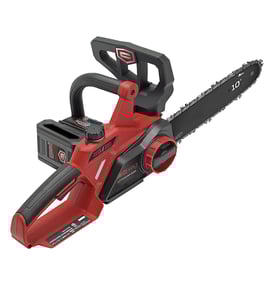




How do I find out what Craftsman chainsaw I have?
Your Craftsman chainsaw’s identity is the model number on its model tag; for this parts page, that model is 35834110. Once you match that tag to the model number, you can use the correct parts list and the correct safety and maintenance instructions in the owner's manual.
On Craftsman electric chainsaws like model 35834110, the model tag is typically on the saw housing where it stays readable and protected.
- Check the rear handle area near the trigger and lockout button
- Look along the main motor housing on either side
- Inspect the underside of the saw body (near where the bar mounts)
- Check near the oil cap area (bar and chain oil fill)
- If a label is missing, look for a stamped or molded number in the plastic housing
Use the model number to match the correct bar and chain style, and to follow the correct setup steps (bar/chain attachment, chain tension, and oiling).
| What to match | What it tells you | Why it matters |
|---|---|---|
| Model number (example: 35834110) | Exact chainsaw version | Ensures correct parts fit and safe operation |
| Bar length (this model is a 14-inch chainsaw) | Guide bar size | Helps you choose the correct bar and chain |
| Chain type and drive link count | Chain compatibility | Prevents poor cutting and excess wear |
Once you confirm the model number, you can select parts that match your exact saw configuration.
- Replacement chain: chain 91PX052G
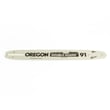
- Replacement guide bar: bar 140SDEA041
- Hardware used in covers and assemblies: screw 534222402
Using the correct model number helps you follow the right procedures for chain tension, lubrication, and maintenance. The manual also emphasizes safe operation and proper servicing practices, including unplugging the saw before service and keeping fasteners tight.
Last updated: February 2026
How to tighten a Craftsman electric chainsaw chain?
To tighten the chain on your Craftsman 35834110 electric chainsaw, unplug the saw first, loosen the bar clamp nuts to finger-tight, then turn the adjusting screw clockwise until the chain sits correctly in the guide bar groove and has slight sag (about 1/16 inch) under the bar rails. Use the owner's manual steps to match the correct tension and safety checks.
- Unplug the chainsaw before touching the bar, chain, or adjusting screw.
- Adjust tension only with the motor stopped (never while running).
- Wear gloves; the cutters can cut even when the chain is not moving.
- Keep the work area clear; a loose or dull chain increases kickback risk.
- Turn the saw upside down on a flat surface (recommended for tensioning).
- Make sure the bar clamp nuts are finger-tight only (not fully tightened yet).
- Turn the adjusting screw clockwise to tighten the chain (counterclockwise loosens).
- “Snap” the chain a few times with a gloved hand by pulling down and letting go to remove stiffness.
- Turn the adjusting screw clockwise until the chain tie-straps sag about 1/16 inch below the bar rails.
- Tighten the bar clamp nuts securely after tensioning.
| Check | What you want | What it prevents |
|---|---|---|
| Chain sag under bar | About 1/16 inch | Excess wear, chain jumping off |
| Chain movement by hand (gloved) | Moves smoothly in bar groove | Overheating, binding |
| Bar clamp nuts after adjustment | Securely tightened | Bar shifting, loss of tension |
- Tightening the bar clamp nuts before setting tension (it throws off adjustment).
- Running a chain that is too tight (can damage the saw or break the chain).
- Not rechecking tension as the chain warms up; new chains stretch more.
Correct chain tension protects the guide bar and chain, reduces the chance of the chain jumping off during cutting, and helps lower kickback risk. It also helps your 14-inch bar and chain last longer.
Last updated: February 2026
Does Craftsman make an electric chainsaw?
Yes. Craftsman makes electric chainsaws, and your Craftsman model 35834110 is a corded electric chain saw (2.0/14 in.) covered in the owner's manual. It uses a guide bar and saw chain that wear as normal “expendable” parts.
This model is specifically identified in the operator’s manual as an electric chain saw (2.0/14 in.). For routine upkeep, the most common replacements are the bar, chain, and small fasteners.
- Use the correct 14-inch bar and matching chain for safe cutting
- Keep the chain properly tensioned before each use
- Use bar and chain oil (bar and chain lubrication is part of normal operation)
- Do not operate the saw if it is damaged or not securely assembled
- If the trigger switch does not turn the unit on and off properly, repair it before using the saw
If you are maintaining or refreshing cutting performance, these model-matched parts are the usual starting point:
| Part | What it affects | When to replace |
|---|---|---|
| Chain 91PX052G | Cutting speed and smoothness | Dull cutters, excessive vibration, won’t hold an edge |
| Bar 140SDEA041 | Straight cuts and chain tracking | Burn marks, heavy rail wear, chain won’t track straight |
| Screw 534222402 | Covers and assemblies staying secure | Stripped head, missing fastener, won’t tighten |
Using the correct bar and chain for a Craftsman electric chainsaw helps the chain track correctly on the bar, reduces kickback risk, and prevents premature wear on the drive system.
Last updated: February 2026
How many cc is the 35834110?
The Craftsman 35834110 is a corded electric chainsaw, so it does not have an engine displacement rating in cc. Instead, it is specified by electrical and motor output ratings (110-120V AC, 10.5 amps, and up to 2.0 horsepower); see the owner's manual.
For an electric chainsaw like the 35834110, these specs tell you the most about power and compatibility:
- Power supply: 110-120V AC, 50-60 Hz
- Rated current draw: 10.5 amps
- Maximum motor output: 2.0 horsepower
- Drive type: gear drive
- Bar length: 14-inch
| If you have a gas saw | If you have this 35834110 electric saw |
|---|---|
| Power is described in cc | Power is described in amps and horsepower |
| Fuel and carburetor affect performance | Extension cord, voltage, and load affect performance |
| Chain speed depends on engine RPM | Chain speed depends on motor load and sharpness |
Using cc for this model can lead to ordering the wrong parts or comparing it to the wrong tool class. For the 35834110, matching the 14-inch bar and chain specs is the practical way to keep cutting performance and fit correct.
If you are replacing cutting components, these are the model-matched items listed for the 35834110:
- Chain 91PX052G (14-inch chain)
- Bar 140SDEA041 (14-inch guide bar)
Last updated: February 2026
Why is my Craftsman electric chainsaw not cutting?
If your Craftsman 35834110 electric 14-inch chainsaw runs but will not cut, the cutting chain is usually dull, incorrectly tensioned, or not getting enough bar-and-chain oil. Restoring sharpness, setting correct chain tension, and keeping the bar and chain lubricated typically fixes poor cutting.
- Unplug the saw before inspecting, adjusting chain tension, or changing accessories.
- Confirm the chain is sharp; a dull chain cuts slowly, chatters, and leaves rough chips.
- Check chain tension; too tight can stop the chain in the cut, too loose can derail.
- Keep the chain out of dirt and sand; even small grit dulls cutters quickly.
- Make sure the bar and chain are lubricated; low oil increases friction and poor cutting.
The manual’s troubleshooting chart points to these common causes of rough cutting or angled cuts: dull or damaged cutters, incorrect tension, worn sprocket, and a bent or worn guide bar.
| Symptom | Most likely cause | What to do |
|---|---|---|
| Cuts rough or chatters | Dull cutters or depth gauges too high | Sharpen correctly or replace the chain |
| Stops in the cut | Chain too tight or bar rails pinched | Reset tension; inspect bar rails |
| Cuts at an angle | Cutters dull/damaged on one side or bar worn | Replace chain; inspect/replace bar |
| Smokes or binds | Poor lubrication | Fill oil tank; clear oiling path |
If sharpening does not bring back performance, replacement is the fastest path.
- Replace the chain with the correct 14-inch chain: chain 91PX052G
- If the bar is burred, bent, or worn, replace it: bar 140SDEA041
A dull chain and poor lubrication force you to push the saw, which reduces control and increases kickback risk. The manual also advises using light pressure (do not force the saw) and keeping the bar and chain clean and properly lubricated.
For model-specific operating and maintenance steps (including oiling and tension guidance), follow the owner's manual.
Last updated: February 2026