Owner’s manual
 View engine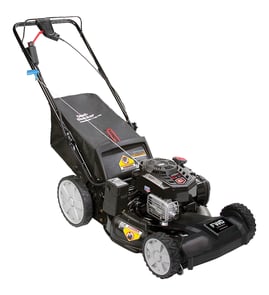




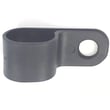
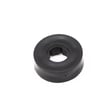
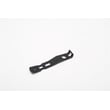
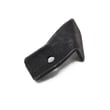
What are the most common issues with 917376652?
The most common issues we see on the Craftsman 917376652 walk-behind mower involve the self-propel drive not pulling, poor cutting quality, and bagging or discharge problems. These typically trace back to normal wear items like the drive belt, drive components, and the cutting blade; use the 917376652 owner's manual for model-specific adjustments and maintenance intervals.
Common problems and what usually causes them
- Mower will not self-propel or slips: worn or stretched drive belt, worn drive pawls, or transmission wear
- Uneven cut or poor cut quality: dull/bent blade, damaged blade adapter, deck buildup, or incorrect height setting
- Excessive vibration: bent blade, loose blade hardware, or worn blade adapter
- Bagging is weak or clogs: wet grass, packed deck, damaged rear door, or bagger fit issues
- Drive control feels loose: stretched drive control cable or misadjusted control bar
Parts that commonly fix these symptoms (when worn)
If your symptoms match, these are frequent replacement parts for this model:
- Belt 532157769 (self-propel drive slipping or not engaging)
- Drive pawl 532404845 (drive wheels not grabbing consistently)
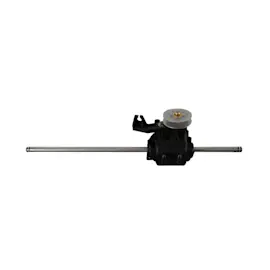
- Lawn mower transmission assembly 532415226 (drive system worn or noisy)
- Lawn mower 22-in deck mulching blade 532406713 (poor cut, tearing grass)
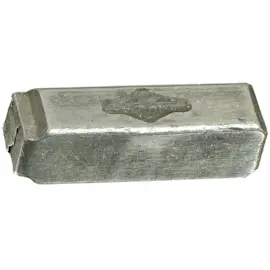
- Lawn mower blade adapter 532421176 (vibration, blade won’t stay tight)
Quick checks we recommend before ordering parts
- Shut off the engine, disconnect the spark plug wire, and let moving parts stop.
- Tip the mower safely (air filter and carburetor side up) and clear packed grass from the deck.
- Inspect the blade and blade adapter for bends, cracks, or wallowed mounting holes.
- Check drive engagement: with the drive control held, the belt should be tight and the wheels should resist turning.
- Verify the cutting height is set evenly side-to-side.
Symptom-to-likely-fix guide
| Symptom | Most likely area | Common fix |
|---|---|---|
| Won’t self-propel | Drive belt/pawls | Replace belt or drive pawl |
| Cuts uneven | Blade/deck height | Sharpen/replace blade; level height |
| Vibrates | Blade/adapter | Replace blade and/or adapter |
| Poor bagging | Deck/rear door/bagger | Clean deck; inspect rear door and bagger |
Why it matters
Drive and cutting components wear gradually; addressing them early improves cut quality, reduces vibration, and prevents extra strain on the transmission and wheels.
Last updated: March 2026
What model number is a Craftsman 6.75 lawn mower?
A “Craftsman 6.75” label usually refers to the engine rating, not one single mower model number. For Craftsman walk-behind mowers, the correct model number is printed on the mower’s ID decal; on model 917376652, the decal is on the rear of the mower housing (see the 917376652 owner's manual).
How to find the correct model number on your mower
We recommend using the model number from the mower deck decal (not the engine shroud), because parts like the blade, drive belt, and control cables are matched to the mower model.
- Look for a decal on the rear of the lawn mower housing
- Write down both the model number and serial number
- Use the mower model number (not “6.75”) when ordering parts
- If the decal is dirty, wipe it clean and use a flashlight to read it
- If the decal is missing, check the manual’s parts list diagrams for identification help
Common “6.75” confusion (engine vs. mower)
“6.75” is commonly used to describe an engine family or power class; multiple Craftsman mowers can use a similar engine rating but have different decks, wheels, and drive systems.
| What you see | What it usually means | What to use for parts |
|---|---|---|
| “6.75” on engine cover | Engine rating/family | Mower model number from deck decal |
| Model like 917.XXXXXX | Mower model identifier | Use this to match diagrams and parts |
| Engine model/type code | Engine-specific ID | Use for carburetor/ignition engine parts |
Why it matters
Using the exact mower model number prevents wrong-part issues, especially for high-fit items like a 22-in blade, drive belt, or drive control cable. For example, this model uses a 22-in deck mulching blade such as the lawn mower 22-in deck mulching blade 532406713 when the deck and adapter configuration match the parts diagram.
Last updated: January 2026
What's the average lifespan of a lawn mower?
Most gas walk-behind mowers like the Craftsman 917376652 typically last 8 to 15 years with normal homeowner use and routine maintenance. Keeping the engine clean, servicing the air filter and spark plug yearly, and cleaning under the deck helps prevent overheating and premature engine wear (see the 917376652 owner's manual).
What affects lawn mower lifespan most
- Maintenance frequency: oil changes, air filter service, spark plug replacement
- Cleaning habits: grass buildup under the deck and drive cover accelerates wear
- Operating conditions: dusty yards, sandy soil, heavy loads, high temperatures
- Storage: fuel care and off-season storage practices
- Wear items: blades, blade adapters, and belts wear out during normal use
Maintenance that extends life on the 917376652
The manual calls out several habits that directly protect engine life and drive performance.
- Scrape grass and debris from the underside of the deck (avoid forcing water into the engine area)
- Clean under the drive cover at least twice per season
- Replace the spark plug at least once per year
- Clean or replace the air filter element at least once per year
- Replace the blade more often if mowing in sandy soil; a worn blade strains the mower
If you need a common wear part for cutting performance, match your mower to the correct blade such as the lawn mower 22-in deck mulching blade 532406713.
Typical lifespan by use pattern
| Use pattern | Typical lifespan | What usually ends it first |
|---|---|---|
| Light (small yard, weekly) | 12 to 15 years | Fuel system neglect, corrosion, deck rust |
| Average homeowner | 8 to 12 years | Engine wear from heat, poor cleaning, skipped tune-ups |
| Heavy (large yard, dusty, hills) | 5 to 8 years | Drive system wear, overheating, accelerated blade/deck wear |
Why it matters
A mower usually does not “wear out” all at once; it loses performance from heat, debris buildup, and neglected tune-ups. Staying on the maintenance schedule and keeping airflow areas clean helps the engine run cooler and last longer.
Last updated: January 2026