



What is error code 4 on furnace?
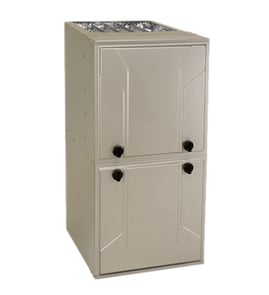
On a Goodman GSU100-4 gas furnace, error code 4 (four flashes) indicates the high limit switch is open, meaning the furnace is overheating or the limit circuit is not proving closed. The most common causes are restricted airflow, venting problems, or a wiring issue in the limit circuit.
What to check first (safe, high-impact steps)
- Replace or clean the air filter; a clogged filter is the most common reason the high limit opens.
- Make sure supply registers and return grilles are open and not blocked by rugs or furniture.
- Check the blower compartment for heavy dust buildup and confirm the blower wheel spins freely.
- Inspect the vent/flue for obvious blockage (snow, nests, collapsed pipe) and confirm it is intact.
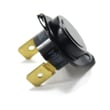
- Turn power off and look for loose, burnt, or damaged wires on the limit switch circuit.
Parts that commonly relate to overheating symptoms
If airflow is weak or the blower is noisy or out of balance, these model-listed parts are common suspects:
Quick symptom-to-cause guide
| What you notice | What it usually points to | What we do next |
|---|---|---|
| Furnace starts, then shuts off and retries | High limit opening from overheating | Check filter, vents, blower airflow |
| Weak airflow at registers | Blower or duct restriction | Inspect blower wheel, capacitor, duct returns |
| Burner runs briefly, then stops | Limit circuit opening or venting issue | Check venting and limit wiring |
Why it matters
When the high limit switch opens, it is protecting the heat exchanger and surrounding components from excessive temperature. Fixing the airflow or venting problem prevents repeated shutdowns, nuisance lockouts, and premature wear on the blower and ignition system.
Last updated: February 2026
How to tell if a furnace limit switch is bad?
A bad limit switch on your Goodman GSU100-4 gas furnace usually shows up as overheating shutdowns, short cycling, or the blower running when it should not. Before replacing anything, we focus on airflow problems first because restricted airflow commonly triggers limit trips.
Common symptoms you can notice
- Furnace starts, then shuts off the burners quickly (short cycling)
- Blower runs constantly, or runs long after the heat call ends
- Heat stops and restarts after a cool-down period (repeated limit trips)
- Home feels drafty because the blower is pushing cooler air
- You smell a hot or “overheated” odor near the furnace cabinet
Quick checks we recommend before testing the switch
- Turn off power to the furnace at the breaker and confirm the blower stops.
- Check the air filter; replace it if it is dirty or restrictive.
- Make sure supply registers and return grilles are open and not blocked.
- Look for a clogged evaporator coil (if you have central AC) or a dirty blower wheel.
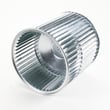
If you suspect the blower is not moving enough air, a damaged or dirty blower wheel can contribute to overheating; the blower wheel D6723306S is one common airflow-related part for this model.
How we test a limit switch (basic method)
Limit switches are typically closed during normal operation and open when the furnace overheats.
- With power off, label wires and inspect terminals for heat damage or looseness.
- Use a meter to check continuity across the switch at room temperature.
- If it reads open at room temperature, the switch is likely failed or stuck open.
- If it reads closed at room temperature but opens repeatedly during heating, treat it as an overheating or airflow problem first.
For safe meter technique, use our how to use a multimeter to test electrical parts video.
What the symptoms usually mean
| What you see | Most common cause | What to do first |
|---|---|---|
| Burners shut off, blower keeps running | Furnace overheated and limit opened | Fix airflow (filter, vents, blower, coil) |
| Furnace will not heat at all | Limit stuck open, wiring issue, or control issue | Check continuity and wiring connections |
| Repeated on/off cycles | Marginal airflow or overheating | Verify filter and duct restrictions |
Why it matters
The limit switch is a safety device. If it is tripping, the furnace is protecting itself from excessive heat that can damage the heat exchanger, wiring, and controls.
Last updated: February 2026
What is the most common part to fail on a furnace?
The most common furnace “failure” we see is not a major component; it is restricted airflow from a dirty air filter or a dirty flame sensor that prevents reliable burner operation. On a Goodman GSU100-4 gas furnace, blower and ignition-related issues are also frequent causes of no-heat symptoms.
Most common culprits (in order)
- Air filter: Clogged filters overheat the furnace and trigger safety shutdowns.
- Flame sensor: A dirty sensor causes the burners to light briefly, then shut off.
- Thermostat or low-voltage wiring: Misconfiguration, weak batteries, or loose connections stop heat calls.
- Ignition system (hot surface igniter or spark): Prevents burner ignition.
- Blower section: A failing run capacitor or damaged wheel can cause poor airflow or blower not starting.
- Safety switches (limit switch, pressure switch): Open when unsafe conditions are detected.
Quick checks you can do first (before replacing parts)
- Set thermostat to HEAT and raise setpoint 3 to 5 degrees.
- Replace the air filter and confirm all supply registers are open.
- Cycle power to the furnace at the breaker for 60 seconds, then restore power.
- Watch the start-up sequence: inducer, ignition, flame, then blower.
- If burners light then shut off quickly, clean the flame sensor.
Parts on this model that commonly affect airflow or start-up
If your symptoms point to the blower not starting, weak airflow, or overheating shutdowns, these model-matched parts are good candidates to inspect:
| Symptom | Common suspect | Model-matched part on this page |
|---|---|---|
| Blower hums, starts late, or will not start | Run capacitor | Capacitor 10 12908 |
| Rattling, vibration, weak airflow | Blower wheel damage or buildup | Blower wheel D6723306S |
| No gas to burners (after ignition attempt) | Gas valve or control issue | Gas valve 0151F00000PS |
Why it matters
Most “furnace failures” are safety lockouts caused by airflow, flame-proving, or ignition problems. Fixing the root cause (filtering, cleaning, or a blower electrical issue) prevents repeat shutdowns and protects the heat exchanger and controls.
Last updated: February 2026
How much does a furnace cost for a 2000 sq ft home?
For a 2,000 sq ft home, a new gas furnace typically costs about $4,000 to $9,000+ installed, with the final price driven by furnace efficiency (AFUE), required heating capacity (often 80,000 to 100,000 BTU for many homes this size), and whether venting, gas line, or ductwork changes are needed.
What drives the price most
- Efficiency (AFUE): Higher AFUE usually costs more up front but lowers fuel use.
- Sizing and airflow needs: Undersizing causes comfort issues; oversizing can short-cycle and waste energy.
- Installation complexity: New venting, condensate drain (high-efficiency), or duct modifications raise labor.
- Fuel type and local code requirements: Gas vs electric and permit requirements affect total cost.
- Add-ons: New thermostat, filtration upgrades, or zoning can increase the project price.
Typical installed cost ranges (quick guide)
| Furnace type (common choices) | Typical installed cost | Notes |
|---|---|---|
| Standard-efficiency gas (about 80% AFUE) | $4,000 to $6,500 | Often uses metal venting; simpler installs cost less |
| Mid to high-efficiency gas (about 90% to 96%+ AFUE) | $6,000 to $9,000+ | May require PVC venting and condensate drainage |
| Electric furnace | $3,000 to $7,000 | Equipment can be cheaper; operating cost is often higher |
How this relates to your Goodman GSU100-4
If you are repairing (not replacing) a Goodman GSU100-4 gas furnace, replacing a failed component can be a cost-effective way to restore heat. Common repair-related parts we list for this model include the gas valve 0151F00000PS, blower wheel D6723306S, and capacitor 10 12908.
Why it matters
Correct sizing and the right efficiency level determine comfort, operating cost, and how long the furnace runs each cycle. Getting those choices right prevents nuisance issues like short-cycling, uneven temperatures, and excessive wear on parts like the blower and ignition system.
Last updated: February 2026
What is the life expectancy of a Goodman furnace?
A Goodman gas furnace like model GSU100-4 typically lasts 15 to 20 years with normal use and regular maintenance. In tougher conditions (long heating seasons, dusty homes, poor airflow), lifespan is often closer to 10 to 15 years; well-cared-for units can reach 20+ years.
Typical lifespan ranges (what to expect)
| Condition | Typical life expectancy | What usually shortens life |
|---|---|---|
| Average home, routine service | 15 to 20 years | Dirty filter, minor airflow issues |
| Heavy winter use or poor airflow | 10 to 15 years | Overheating, frequent cycling |
| Excellent maintenance and clean airflow | 20+ years | Fewer stress events on blower and burners |
What makes a furnace last longer
- Replace or clean the air filter on schedule to protect the blower and heat exchanger.
- Keep supply and return vents open; restricted airflow drives up heat and wear.
- Keep the burner area clean and the cabinet sealed to reduce dust buildup.
- Address unusual noises early (rattling, scraping, humming) before they damage moving parts.
- Fix electrical issues promptly; weak components can strain motors and controls.
Parts that commonly affect “end of life” symptoms
A furnace often feels “worn out” because one or two key parts are failing repeatedly. For the Goodman GSU100-4, common wear-related parts include:
- Capacitor 10 12908 (a weak run capacitor can cause hard starts or blower issues)
- Blower wheel D6723306S (damage or heavy buildup can reduce airflow and increase noise)
- Gas valve 0151F00000PS (gas delivery problems can cause ignition or heating issues)
Why it matters
Knowing the typical life expectancy helps us decide whether to repair or replace. If your GSU100-4 is already in the 15 to 20 year range and needs multiple major repairs, investing in targeted parts and airflow fixes can restore reliability, but repeated failures often signal the furnace is nearing the end of its practical service life.
Last updated: February 2026