Owner’s manual
 Error Codes







Why does my Samsung oven smell like gas?
A faint gas-like odor from a Samsung NX60A6511SS gas range is common during first use or after the oven has been off for a while; it is usually protective oils, new-material burn-in, or brief unburned gas at ignition. If the smell is strong, persistent, or you suspect a leak, stop using the range and have it checked.
Quick checks that usually fix a “new oven” gas smell
- Remove all packing materials, tape, and any plastic inside the oven cavity.
- Run a burn-in: heat the oven empty at a moderate temperature for 30 to 60 minutes, then ventilate the kitchen.
- Confirm the flame looks normal (steady blue with minimal yellow tipping) when the bake burner is on.
- Make sure the oven door closes fully; a misread door position can affect ignition timing.
- Clean off any visible factory oils or residues on racks and interior surfaces (use mild soap and water, then dry).
When the smell points to an ignition or burner problem
If the oven smells like gas while it is trying to light, the burner may be getting gas before it ignites. Common causes include:
- Weak or failing igniter (slow ignition)
- Dirty burner ports or debris on the burner
- Airflow issues around the burner area
- Control or valve timing problems
Parts that are commonly involved
| Symptom | Most likely area | Example part for this model |
|---|---|---|
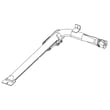
| Gas smell for several seconds before flame | Ignition system | Range broil igniter DG94-01441A |
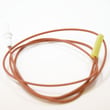
| Oven temperature swings, odd preheat behavior | Temperature sensing | Samsung range oven temperature sensor DG32-00002B |
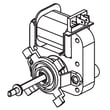
| Clicking or ignition behavior seems erratic | Spark/ignition control | Range spark module DG96-00297A |
Why it matters
A brief odor at startup can be normal, but a strong or ongoing gas smell can indicate delayed ignition or a gas supply issue. Addressing it quickly helps prevent soot, poor baking performance, and unsafe operating conditions.
What we recommend next
- Follow the safety and first-use guidance in the NX60A6511SS owner's manual.
- If the odor is strong, continues after ignition, or you smell gas when the oven is off: shut off the gas supply valve and have a qualified technician inspect the range and gas connections.
Last updated: February 2026
Is the NX60A6511SS self-cleaning?
Yes. The Samsung NX60A6511SS gas range includes a self-cleaning oven cycle that uses high heat to burn off baked-on grease and food residue, so you can wipe out the remaining ash after the cycle finishes. For cycle steps and safety notes, use the NX60A6511SS owner's manual.
How self-clean works (and what to expect)
- The oven door locks during the self-clean cycle and stays locked until the oven cools.
- High heat turns spills into ash; you wipe out the residue after the cycle.
- You should remove oven racks, foil, and any cookware before starting.
- Ventilation matters; open a window or run a hood fan during the cycle.
- Light smoke or odor is normal if there is heavy buildup.
Quick prep checklist before you start
| What to do | Why it matters |
|---|---|
| Remove racks and accessories | Prevents discoloration and warping from extreme heat |
| Wipe up loose spills first | Reduces smoke and shortens cleanup afterward |
| Keep kids and pets away | Exterior surfaces can get hot during the cycle |
| Plan time for cool-down | The door stays locked until the oven is safe |
If self-clean will not start
These are the most common causes on a freestanding gas range like the NX60A6511SS:
- The door is not fully closed or the latch is not engaging.
- A control setting was not confirmed (Start/Set not pressed).
- The oven is still too hot from recent cooking.
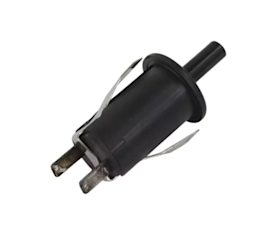
- A door switch issue can prevent the lock sequence; the oven door switch DG34-00006A is one part that can affect door-closed sensing.
- A control problem can also interrupt cycle selection; the oven control board DG94-04041B manages many oven functions.
Why it matters
Using self-clean periodically helps keep heat circulation consistent, reduces baked-on odors during baking, and makes routine wipe-down cleaning faster between deep cleans.
Last updated: February 2026
Why am I not getting gas to my oven?
If your Samsung NX60A6511SS gas range surface burners work but the oven will not light, the most common cause is an ignition failure: the igniter is weak or the control is not opening the gas valve. Start with safe checks, then focus on the bake burner ignition circuit.
Quick checks (do these first)
- Confirm other gas appliances in the home work (rules out a supply outage).
- Make sure the range shutoff valve is fully open.
- Verify the oven is set to Bake (not just the timer or clock).
- If the oven has a lock or self-clean just ran, wait for a full cool-down and try again.
- If you smell gas and the oven will not ignite, stop and ventilate; turn the oven off.
What usually fails when the oven gets no gas
On a gas oven, “no gas to the oven” is often “gas is not being released because ignition is not proven.” These are the top suspects:
- Bake burner not lighting (burner ports clogged or burner not receiving gas)
- Ignition system issue (spark module or igniter circuit)
- Gas valve not opening (valve coil or control signal)
- Control problem (board not sending power to the valve/ignition)
Parts to consider for NX60A6511SS
These model-matched parts commonly relate to an oven that will not light:
| Symptom | Most likely area | Model-matched part to check |
|---|---|---|
| No ignition attempt, no clicking | Ignition power/control | Range spark module DG96-00297A |
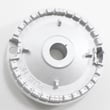
| Oven tries but never lights, weak ignition | Oven ignition/burner | Range bake burner DG62-00066E |
| Intermittent heat, odd behavior, no command output | Electronic control | Samsung range oven control board DG94-04041B |
Why it matters
The oven gas valve is designed to open only when the range can ignite the gas safely. Fixing the ignition or control issue restores normal gas flow to the bake burner and prevents delayed ignition, poor heating, and gas odor.
Best next step
Use the wiring diagram and diagnostic guidance in the NX60A6511SS owner’s manual to confirm the correct bake-ignition sequence for your exact configuration, then test the ignition and control circuits with proper safety precautions.
Last updated: February 2026