Installation guide
 Owner’s manual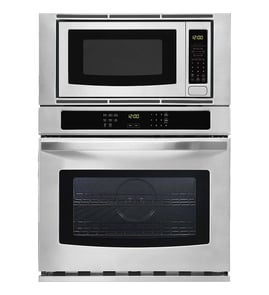




How much space should be behind a microwave?
For the KitchenAid KBHC109JSS03 wall oven/microwave combo, the unit installs into a cabinet cutout and the recessed installation area must provide a complete enclosure around the recessed portion of the oven. Use the cabinet cutout dimensions and clearances in the installation guide so the appliance fits correctly and vents as designed.
What “space behind it” means for this model
Because KBHC109JSS03 is a built-in wall oven/microwave combo (not a countertop microwave), you typically do not leave an open air gap behind the unit. Instead, you provide the required cutout depth and keep the electrical junction box in the correct location.
Key installation points called out for this style of unit:
- Use the specified minimum cutout depth (commonly around 23-1/4 inches for this platform).
- The recessed area should fully enclose the unit’s recessed portion.
- Place the electrical supply junction box no more than 3 inches below the support surface when installed in a wall cabinet.
- If the junction box is on the rear wall behind the oven, it must be recessed and positioned in an upper or lower corner.
- Keep the oven location away from strong drafts (windows, doors, strong heating vents).
Quick clearance checklist (built-in vs countertop)
| Microwave type | Space behind the unit | What matters most |
|---|---|---|
| Built-in wall oven/microwave combo (KBHC109JSS03) | No open gap; cabinet cutout provides enclosure | Cutout depth, solid level support surface, recessed junction box |
| Countertop microwave | Small air gap is common | Rear and side ventilation clearance per the countertop unit’s manual |
Why it matters
Correct cabinet depth and junction box placement prevent pinched wiring, poor fit, and installation stress that can lead to door alignment issues or vibration. Proper enclosure and support also help the appliance operate safely and consistently.
Last updated: February 2026
What size is a standard microwave wall cabinet?
A “standard” microwave wall cabinet opening is usually planned around 24-, 27-, or 30-inch cabinet widths, with a cutout depth commonly in the 23- to 24-inch range. For KitchenAid model KBHC109JSS03, use the exact cutout width, height, and depth shown in the installation guide.
Typical wall cabinet and cutout size ranges
Most built-in microwaves and wall oven/microwave combos fit within these common planning ranges:
- Cabinet width: 24, 27, or 30 inches
- Cutout depth: typically 23 to 24 inches
- Overall depth (door closed): often 20 to 25 inches
- Overall height: varies by configuration; many built-in microwave sections fall roughly 17 to 22 inches
- Front clearance: allow room for full door swing and safe loading
What the KBHC109JSS03 installation guide helps you confirm
The KBHC109JSS03 installation instructions provide the cabinet cutout diagram and minimum clearances you must match before any cabinet work.
Use the installation guide to verify:
- Cutout width for the 27-inch or 30-inch configuration
- Cutout height and any required spacing to nearby cabinet doors
- Cutout depth and recessed depth limits
- Electrical junction box location and wiring access cutout
- Support surface requirements (solid, level, flush)
Quick planning table
| Measurement | Typical “standard” target | What to use for KBHC109JSS03 |
|---|---|---|
| Cabinet width | 24, 27, 30 in. | The guide’s cabinet width and cutout width callouts |
| Cutout depth | 23 to 24 in. | The guide’s cutout depth and recessed depth limits |
| Cutout height | Varies by unit | The guide’s cutout height for your configuration |
Why it matters
Correct cutout sizing keeps the unit sitting flush, allows trim to fit properly, and protects required clearances for wiring and ventilation. It also prevents door interference with nearby cabinet doors and drawers.
Last updated: February 2026
Where should a microwave not be placed?
For the KitchenAid KBHC109JSS03 wall oven/microwave combo, we do not place the microwave where ventilation openings can be covered or blocked, or anywhere near water. This model is designed to be installed only as specified in the installation guide so it has the required clearances and a proper electrical connection.
Places to avoid (and why)
- Inside a closed cabinet or tight enclosure that is not the approved cutout; restricted airflow can cause overheating.
- Near water (sink, wet basement, pool area); moisture increases shock risk.
- Where vents or openings are blocked (against insulation, towels, or stored items); the manual warns not to cover or block openings.
- Next to high heat or grease sources (cooktop burners, deep-fry area); heat and grease can damage surfaces and increase fire risk.
- Where the door cannot open freely or people can lean on it; the manual warns against leaning on the door.
- Any location that encourages using the oven cavity for storage; paper products and utensils left inside can create a fire risk.
Built-in installation rules for KBHC109JSS03
This is a built-in unit, so placement is really about installing it in the correct wall cabinet cutout.
| Requirement | What it means in the kitchen |
|---|---|
| Complete enclosure around recessed portion | The cabinet cutout must fully surround the unit as specified |
| Solid, level support surface | Prevents shifting, vibration, and door alignment issues |
| Proper electrical grounding | Reduces shock risk and nuisance electrical problems |
| Minimum clearances | Keeps airflow and heat management within design limits |
Why it matters
Poor placement can block airflow, increase moisture exposure, and create unsafe operating conditions. It can also lead to door alignment problems, which matters because the door must close properly and the safety interlocks must not be defeated.
Last updated: February 2026