Owner’s manual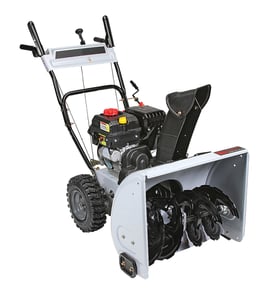




What is the typical lifespan of a gas snowblower?
A gas snowblower like the Noma G2474010 typically lasts 10 to 15 years with normal homeowner use and routine maintenance. With consistent preseason checks, clean fuel practices, and timely wear-part replacement, many gas snowblowers reach 15 to 20 years of service.
What most affects lifespan
- Maintenance frequency: oil changes, lubrication, and fastener checks prevent premature wear.
- Fuel care: old fuel and varnish buildup shorten carburetor and engine life.
- Storage conditions: dry, covered storage reduces rust and control cable corrosion.
- Usage load: heavy, wet snow and long run times accelerate belt, skid, and auger wear.
- Wear parts replaced on time: belts, skids, scraper blade, and bearings are normal consumables.
Typical lifespan by use pattern
| Use pattern | Typical lifespan | What usually wears first |
|---|---|---|
| Light (small driveway, few storms) | 15 to 20 years | Belts, skids, scraper blade |
| Average homeowner use | 10 to 15 years | Belts, friction drive components, cables |
| Heavy use (deep/wet snow, frequent runs) | 8 to 12 years | Belts, bearings, auger/impeller wear |
Maintenance habits that add years
- Change engine oil on schedule and check oil level before each storm.
- Use fresh gasoline; add fuel stabilizer for storage.
- Clear packed snow from the housing after use and let the machine dry.
- Inspect and adjust drive and auger controls so belts do not slip.
- Replace worn wear parts before they damage larger assemblies.
Parts that commonly limit performance over time
If the machine still runs but stops moving or throwing snow well, these are common culprits:
- Snowblower drive belt 1733324SM
- Snowblower gas belt 585416MA
- Skids and scraper blade wear (affects clearing and housing protection)
Why it matters
Planning around a 10 to 15 year lifespan helps you budget for maintenance and prevents mid-storm breakdowns. Replacing inexpensive wear parts early often avoids bigger repairs to pulleys, bearings, and the auger drive system.
For model-specific maintenance intervals and adjustment steps, follow the G2474010 owner's manual.
Last updated: January 2026
What are common gas snow blower problems?
Common problems on the Noma G2474010 gas snowblower include hard starting (often fuel or carburetor related), poor snow throwing from clogs or belt issues, and drive problems where the unit will not move. Most fixes start with fresh fuel, basic cleaning, and checking belts and chute/auger components using the G2474010 owner's manual.
Most common symptoms and what they usually mean
- Engine will not start or starts then dies: stale fuel, dirty carburetor, fouled spark plug, or restricted fuel flow
- Runs rough or surges: partially clogged carburetor jets, water in fuel, or air leak at fuel line
- Auger or impeller will not spin: broken or loose auger belt, jammed auger, or damaged shear pin (if equipped)
- Snow throws weakly or clogs: wet/heavy snow buildup, chute packed with ice, worn belt, or low engine speed
- Unit will not drive: worn drive belt, traction issues, or linkage out of adjustment
Quick checks we recommend first (fast, low-cost)
- Drain old fuel and refill with fresh gasoline; add fuel stabilizer if the machine sits.
- Inspect the chute and housing for packed snow or ice; clear with the engine off.
- Check belt condition and tension; glazing, cracking, or slack points to replacement.
- Verify controls fully engage (auger and drive levers); look for stretched cables.
- Confirm the scraper blade and skids are set correctly for your surface.
Parts that commonly solve performance issues
If your symptoms match belt slip or loss of drive/auger power, these model-compatible parts are common fixes:
| Symptom | Likely wear item | Example part for this model |
|---|---|---|
| Won’t move or slips under load | Ground drive belt | Snowblower drive belt 1733324SM |
| Auger/impeller won’t spin or throws weakly | Auger drive belt | Snowblower gas belt 585416MA |
| Scrapes poorly, leaves snow behind | Scraper wear | Scraper blade 583035E701MA |
Why it matters
Catching fuel and belt problems early prevents no-start situations during storms and reduces strain on pulleys, idlers, and the auger gearbox. A simple belt replacement and chute cleanout often restores normal throwing distance and drive performance.
Last updated: January 2026
Is it okay to leave gas in a snowblower over summer?
Yes, it’s okay to store your Noma G2474010 gas snowblower with fuel in the tank over summer if you treat the fuel correctly and protect the carburetor. Untreated gasoline can degrade in about 3 to 6 months and cause hard starting, surging, or a no-start next season.
Best practice for summer storage (fuel options)
Choose one approach and do it completely:
- Option A (recommended): Stabilize the fuel
- Fill with fresh gasoline (less air space reduces moisture)
- Add fuel stabilizer at the label dose
- Run the engine 5 to 10 minutes so treated fuel reaches the carburetor
- Option B: Drain the system
- Shut off the fuel valve (if equipped)
- Run the engine until it stops
- Drain the tank and, if possible, drain the carburetor bowl
- Avoid: Leaving untreated fuel sitting in the tank and carburetor all summer
For model-specific storage steps and any fuel recommendations, follow the G2474010 owner’s manual.
Why fuel treatment matters
Gasoline can oxidize and form varnish-like deposits that restrict tiny carburetor passages. That leads to common winter problems like:
- Engine starts then dies
- Engine surges at idle
- No start unless you use choke or starting fluid
- Poor power under load
Quick checklist before you park it
- Turn the fuel valve off (if equipped)
- Add stabilizer to fresh fuel, then run the engine briefly
- Change oil if it’s due (dirty oil holds acids and moisture)
- Clean packed snow and salt off the auger housing and chute
- Store in a dry area; cover to keep dust out
If it won’t drive or auger next season
Fuel issues affect the engine, but if the engine runs and the snowblower will not move or throw snow, inspect belts and linkage:
| Symptom | Common cause | What to check |
|---|---|---|
| Engine runs, no forward drive | Worn or loose drive belt | Snowblower drive belt 1733324SM condition and tension |
| Engine runs, auger won’t spin | Worn or loose auger belt | Snowblower gas belt 585416MA condition and tension |
Why it matters
Doing fuel storage correctly prevents carburetor cleaning, reduces no-start calls, and helps your G2474010 start reliably when the first storm hits.
Last updated: January 2026