Owner’s manual
 View engine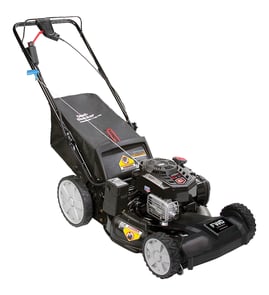




Are gas lawn mowers being phased out?
Gas walk-behind mowers like the Craftsman 247397750 are not being phased out everywhere at once, but the long-term trend is toward battery-electric equipment as more states and cities tighten emissions and noise rules. Your mower remains serviceable and supportable with routine maintenance and the right replacement parts; see the Craftsman 247397750 owner's manual for safe operation and upkeep.
What “phased out” usually means for owners
Most changes affect new sales in certain locations, not immediate restrictions on using an existing mower.
- You can typically keep using a working gas mower you already own.
- Some areas restrict certain new gas-powered outdoor equipment sales.
- Retailers may stock fewer gas models over time as demand shifts.
- Parts availability matters more than the sales trend; keeping up with maintenance extends life.
How to keep your Craftsman 247397750 running reliably
The operator manual emphasizes safe maintenance practices and seasonal care.
- Stop the engine, let it cool, and disconnect the spark plug wire before maintenance.
- Keep fasteners tight and lubricate control pivot points at least once per season.
- For storage over 30 days, run the engine until it stops from lack of fuel or add stabilizer to fresh fuel.
- If the mower vibrates abnormally, stop and inspect immediately (vibration is a warning of trouble).
Quick maintenance checklist (typical)
| Task | Typical interval | Why it helps |
|---|---|---|
| Blade sharpen/replace | 1 to 2 times per season | Cleaner cut, less engine strain |
| Oil change | Every season (or 25 to 50 hours) | Protects engine internals |
| Air filter service | Every season, more in dust | Prevents hard starting |
| Fuel stabilization | Before storage | Reduces carburetor gumming |
If you are considering switching to electric
Electric mowers reduce fuel upkeep, but runtime and battery cost are the tradeoffs.
- Small to mid lawns: battery models often fit well.
- Thick or tall grass: gas still has strong performance in many conditions.
- Storage: batteries need periodic charging during long storage.
Why it matters
Even if gas mowers slowly decline in new sales, the best value for many owners is maintaining what they have. A sharp blade and good fuel practices prevent common issues like poor mulching and hard starting.
Related DIY help: how to winterize a lawn mower.
Last updated: January 2026
Should I use 87 or 89 gas for lawn mower?
For the Craftsman 247397750 gas walk-behind mower, we recommend using fresh, clean unleaded gasoline and following the fuel guidance in the engine operator’s manual referenced in the Craftsman 247397750 owner’s manual. In most areas, 87 octane works well for small 4-cycle mower engines; 89 is fine but usually not required.
What to use (and what to avoid)
- Use fresh unleaded gasoline from a busy station (less likely to be stale).
- Use the octane rating specified by your engine manufacturer (commonly 87).
- Avoid old fuel; gas that sits can cause hard starting and rough running.
- Avoid fueling when the engine is hot or running; gasoline vapors can ignite.
- For storage, either run the engine until it stops from lack of fuel or treat a full tank with stabilizer (then run a few minutes to circulate it).
Quick comparison: 87 vs 89 for this mower
| Fuel choice | When it makes sense | What you will notice |
|---|---|---|
| 87 octane | Normal mowing, normal temperatures, engine in good condition | Reliable performance when fuel is fresh |
| 89 octane | Acceptable alternative if that is what you have available | Typically no measurable benefit in mowing power |
Why it matters
Using the right fuel helps prevent carburetor varnish, starting problems, and driveability issues. Fresh fuel and proper storage habits usually make a bigger difference than stepping up from 87 to 89.
Safety reminders when refueling
The mower manual stresses safe fueling practices:
- Fuel outdoors only, away from flames or sparks.
- Let the engine cool before refueling.
- Wipe up spills before starting.
Last updated: January 2026
What is the average lifespan of a gas lawn mower?
For the Craftsman gas walk-behind mower model 247397750, the manual lists an average useful life of 7 years (or about 140 hours of operation). Many gas walk-behind mowers run longer with consistent maintenance, but 7 years is the baseline for planning inspections and wear-related service.
What the manual’s “average useful life” means
This is a safety and wear benchmark tied to expected operating hours. Once you reach it, we recommend having the mower inspected annually so mechanical and safety systems are checked for excessive wear.
- Track mowing time per week to estimate total hours
- Check controls and safety features before each season
- Inspect the fuel line, tank, cap, and fittings for cracks or leaks
- Keep the engine and muffler area clear of grass and debris
- Tighten fasteners periodically and replace worn hardware
For the exact statement and the maintenance schedule, use the Craftsman 247397750 manual.
Typical lifespan comparison (helpful context)
Use the model’s 7-year or 140-hour baseline as your reference; real-world life depends on mowing conditions, storage, and maintenance.
| Equipment type | Typical lifespan | Common way it’s measured |
|---|---|---|
| Gas walk-behind (home use) | 8 to 10 years | Years and seasonal use |
| Gas walk-behind (heavy use) | 5 to 8 years | Years and frequent runtime |
| Commercial zero-turn | 2,000 to 4,000 hours | Engine hours |
Maintenance habits that extend mower life
These steps protect the engine, cutting system, and drive components.
- Change engine oil on schedule (follow the engine operator’s manual that came with the mower)
- Replace or clean the air filter and replace the spark plug at recommended intervals
- Clean the underside of the deck to reduce corrosion and improve airflow
- Keep the blade sharp; replace it if bent or heavily nicked
- Winterize the fuel system before storage
A practical storage checklist is in how to winterize a lawn mower.
Why it matters
As a mower approaches its average useful life, worn blade hardware, drive parts, and safety controls can reduce cut quality and increase the chance of unsafe operation. Planning inspections and preventive maintenance keeps performance consistent.
Last updated: January 2026