






What is the most common problem with a Maytag washer?
For the Maytag MVW6230HW3 washer, the most common service issues we see are drain and spin problems (clothes stay wet, won’t drain, won’t spin) and excessive vibration/noise during spin. Many “failures” are caused by a clog, an unbalanced load, or a worn drive or drain component.
Quick checks first (no parts)
- Redistribute the load; bulky items can throw the basket off balance.
- Confirm the washer is level and all feet are firmly on the floor.
- Check the drain hose for kinks or a crushed section.
- Verify the lid closes fully and latches every time.
- Run a rinse and spin cycle with the tub empty to see if symptoms change.
When it’s likely a part issue on MVW6230HW3
If the washer hums but won’t drain, drains slowly, or leaves standing water, the drain system is a common culprit. If it won’t spin or makes a squeal/burning-rubber smell, the drive system is a common culprit.
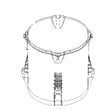
- Draining issues: inspect the pump assembly, drain W11399437 and the tub-to-pump hose path.
- Spin/agitate issues: inspect the washer drive belt WPW10006384 and the drive pulley area.
- Won’t start or stops when the lid is moved: inspect the lid lock and strike alignment.
Symptom-to-likely-cause guide
| Symptom | Most common cause | What we check |
|---|---|---|
| Clothes soaking wet after cycle | Not spinning or not draining | Belt/pulley, drain pump, hose restrictions |
| Loud banging during spin | Unbalanced load or leveling | Load size, leveling feet, floor stability |
| Humming, no water leaving tub | Pump jam or restriction | Pump inlet, tub-to-pump hose, debris |
| Lid won’t lock or cycle won’t start | Lid lock/strike issue | Latch alignment, lock function |
Why it matters
Drain and spin problems can lead to repeat cycle failures, odors from trapped water, and extra wear on the motor and belt drive. Catching a restriction or a slipping belt early often prevents bigger repairs.
Last updated: January 2026
What is the life expectancy of a Maytag washer?
Maytag washers typically last 10 to 13 years with normal household use. For your Maytag MVW6230HW3 washer, real-world life depends most on load size, detergent habits, and how quickly you correct small issues like draining or spinning problems.
Typical lifespan and what affects it
A washer’s service life is mostly about wear on the drive system, suspension, and water-handling parts.
- Load size and frequency: frequent heavy loads shorten life
- Overloading: strains the drive belt, motor, and tub support
- Water quality: hard water can increase residue and odor issues
- Drain performance: slow draining makes the pump work harder
- Vibration: repeated out-of-balance loads stress the tub and dampers
Maintenance that helps MVW6230HW3 last longer
We recommend these habits for Maytag top-load washers like the MVW6230HW3:
- Use HE detergent and measure carefully (too much causes buildup)
- Run a monthly cleaning routine; wipe the lid and rim dry afterward
- Keep loads balanced; mix items and avoid washing single heavy pieces
- Check hoses periodically for bulges, cracking, or seepage
- Address new noises early (squeal, grinding, or thumping)
A good general reference for upkeep is how to clean and maintain your washing machine.
Parts that commonly impact longevity
If performance drops, replacing a worn part can extend the washer’s useful life.
| Symptom | Often involved part | Example from MVW6230HW3 parts |
|---|---|---|
| Won’t drain or drains slowly | Drain pump or hoses | Pump assembly, drain W11399437 |
| Squealing, burning rubber smell, weak spin | Belt or pulley | Washer drive belt WPW10006384 |
| Lid won’t lock, won’t start/spin | Lid lock/strike | Lid lock-sol W11700916 |
Why it matters
Knowing the typical 10 to 13 year lifespan helps you decide whether to maintain, repair, or plan for replacement. On a washer like the MVW6230HW3, fixing a drain, belt, or lid-lock issue early often prevents bigger damage to the motor, tub, or control system.
Last updated: January 2026
Does a Maytag washer have a filter that needs to be cleaned?
Yes, Maytag washers often have a drain-pump debris trap or filtering point, but on the Maytag MVW6230HW3 (a top-load washer) the “filter” is not typically a simple, customer-access door like many front-load models. If your MVW6230HW3 is draining slowly or leaving water behind, we focus on checking the drain path and pump area rather than expecting a routine clean-out filter.
What to check on the MVW6230HW3 when you suspect a “clogged filter”
Before assuming there’s a cleanable filter, we recommend checking the most common restriction points in the drain system:
- Look for coins, socks, or lint restricting the drain hose or standpipe.
- Check for kinks, crushing, or a clogged laundry sink/standpipe.
- Listen during drain: a humming pump with little water flow often points to a blockage.
- Inspect the tub-to-pump hose for trapped debris.
- If the washer will not drain, the drain pump may be jammed or failing.
If you determine the pump is the issue, the compatible replacement for this model is the pump assembly, drain W11399437.
Quick symptoms guide (filter vs drain problem)
These symptoms help separate “needs cleaning” from “needs repair”:
| What you notice | Most likely cause | What we usually check first |
|---|---|---|
| Slow drain, occasional standing water | Partial blockage | Drain hose and tub-to-pump hose |
| Loud buzzing/humming during drain | Pump jammed | Pump inlet area, debris in hoses |
| No drain at all, cycle stops | Pump failure or control issue | Pump, wiring, lid lock status |
| Drains fine but smells musty | Residue/biofilm | Cleaning cycle and detergent habits |
Why it matters
A restricted drain path can cause long cycle times, poor spin performance, and water left in the basket. Catching a clog early can prevent strain on the drain pump and reduce repeat “won’t drain” problems.
Helpful next step
If your washer is showing a fault code or stopping mid-cycle, use our Maytag bravos vmw top load washer error codes reference to narrow down whether you’re dealing with a drain problem, lid lock issue, or another condition.
Last updated: January 2026