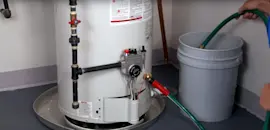
Owner’s manual
 Error Codes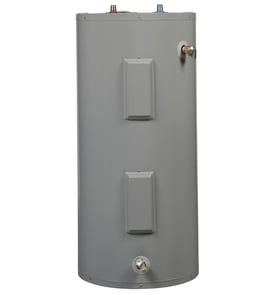



What is the longest lasting electric water heater?
The longest-lasting electric water heaters are typically models with a non-metallic tank (so they do not rust) and a strong warranty; in real-world use, many standard steel-tank electric water heaters last about 10 to 15 years. For your American E2F30LD035V, following the maintenance and temperature guidance in the E2F30LD035V owner's manual helps maximize service life.
What usually makes an electric water heater last longer
- Non-metallic tank construction (eliminates tank rust as a failure mode)
- Regular maintenance (especially sediment flushing)
- Correct thermostat settings (avoids overheating and excess cycling)
- Stable electrical supply and tight wiring connections
- Timely replacement of wear parts (thermostats, heating elements, drain valve)
Typical lifespan comparison (what to expect)
| Water heater type | Typical lifespan | Common end-of-life cause |
|---|---|---|
| Standard steel-tank electric | 10 to 15 years | Tank corrosion, leaks |
| Higher-end steel-tank electric (well maintained) | 12 to 18 years | Corrosion, element/thermostat wear |
| Non-metallic tank electric | 20+ years | Controls, fittings, installation-related issues |
Maintenance steps that extend life on the E2F30LD035V
- Flush a few gallons from the tank periodically to reduce sediment buildup.
- Keep both thermostats set to a safe, consistent temperature (avoid frequent changes).
- If you see slow recovery or lukewarm water, test and replace failed components instead of running the unit hotter.
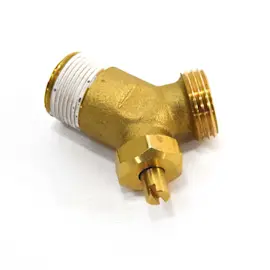
- Replace a leaking or clogged drain valve to make flushing practical (example part: drain valve 100109106).
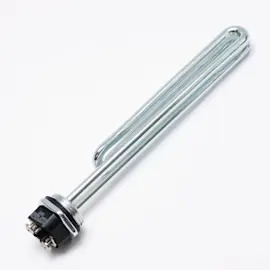
- If heating performance drops, inspect and replace a worn heating element (example part: element 100109629).
Why it matters
A longer-lasting electric water heater is usually the one that avoids tank corrosion and runs efficiently. Sediment and overheating shorten life by stressing the heating elements, thermostats, and the tank lining.
Last updated: January 2026
Which brand is best for water heaters?
For most homes, the “best” water heater brand is the one that matches your fuel type, capacity needs, and service support in your area. Since you own an American model E2F30LD035V electric water heater, staying with a comparable American electric unit (or an equivalent from a major brand) typically makes parts, service, and setup more straightforward.
How we recommend choosing a “best” brand
We focus on practical factors that affect reliability, operating cost, and repairability:
- Correct type: electric tank, gas tank, tankless, or heat pump
- Correct size: enough gallons and recovery rate for your household
- Local service availability: easier warranty service and faster repairs
- Parts availability: common thermostats, heating elements, and valves are easier to source
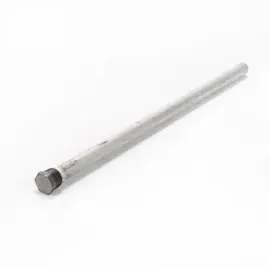
- Build features: anode rod design, insulation, and control style
What matters most for an electric tank water heater (like E2F30LD035V)
Electric tank models are usually most affected by maintenance and water conditions, not just the logo on the tank.
| What you compare | Why it matters | What to look for |
|---|---|---|
| Heating system | Impacts recovery and repair cost | Standard screw-in elements and common thermostats |
| Temperature control | Impacts comfort and safety | Clear thermostat adjustment and stable temps |
| Serviceability | Impacts downtime | Easy access panels, common replacement parts |
| Local support | Impacts total ownership | Strong installer and service network |
Brand-neutral tips that extend water heater life
These steps help any brand perform better over time:
- Set a reasonable temperature (many homes target about 120°F at the tap)
- Use a tempering valve when needed to reduce point-of-use temperature
- Flush sediment periodically if your water supply causes buildup
- Inspect and replace wear items (elements, thermostats, drain valve) when symptoms appear
- Follow potable-water piping guidance (use copper or CPVC; avoid PVC)
Helpful model-specific resources
- Use the E2F30LD035V owner’s manual for operating guidance, thermostat adjustment, and installation requirements.
- If your unit displays a fault, use American electric water heater error codes to identify what the control is reporting and what to check next.
Why it matters
Choosing a “best” brand is really about minimizing total cost of ownership: stable hot water, fewer breakdowns, and faster repairs when parts like a thermostat or heating element eventually wear out.
Last updated: January 2026
What can go wrong with an electric water heater?
On the American E2F30LD035V electric water heater, the most common failures are loss of power to the heater, a tripped high-temperature limit, a bad thermostat, or a failed heating element. Sediment buildup can also reduce hot water output and slow recovery. See the E2F30LD035V owner's manual for model-specific troubleshooting and safety steps.
Common problems and what they look like
- No hot water: breaker/fuse issue, high-limit switch tripped, failed upper thermostat
- Not enough hot water: thermostat set too low, failed lower element, heavy hot water demand
- Slow recovery: sediment or lime in the tank, weak heating element performance
- Water too hot: thermostat out of calibration or stuck closed
- Water leaking at the tank or fittings: loose connections, valve issues, or internal tank corrosion
Quick checks we recommend (safe, high-value)
- Confirm power: check the dedicated breaker/fuse and that the heater is receiving power.
- Check for a tripped high-limit: if it has opened, reset it and correct the underlying cause.
- Inspect for sediment symptoms: popping sounds, reduced capacity, or slow recovery.
- Look for moisture at access panels: element gasket leaks can show up here.
Parts that commonly solve “no hot water” or “not enough hot water”
| Symptom | Most likely area | Example part for this model |
|---|---|---|
| No hot water | Upper thermostat or power issue | Top t-stat 100108683 |
| Not enough hot water | Lower thermostat or lower element | Lwr t-stat 100108421 |
| Slow recovery | Heating element or sediment | Element 100109629 |
Why it matters
Electric water heaters can fail in ways that look similar, but the fix is different. For example, the manual’s troubleshooting chart ties no hot water to power loss, a high-limit trip, or an upper thermostat problem, while insufficient hot water often points to thermostat settings, a lower element issue, or sediment in the tank.
When to stop and call a technician
- You see burned wiring, melted insulation, or repeated breaker trips
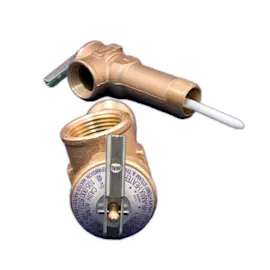
- The temperature and pressure relief valve will not reseat after testing
- You are not comfortable working around 240V electrical circuits
Last updated: January 2026