


Which is better, .080 or .095 trimmer line?
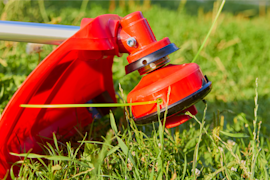
For the Weed Eater 1214 electric line trimmer, .095 line is better for tougher weeds and longer wear, while .080 line is better for lighter trimming and cleaner edging. The “best” choice depends on what you cut most often and what your trimmer head is designed to accept.
Quick comparison: .080 vs .095
| Line size | Best for | Tradeoff | Typical user |
|---|---|---|---|
| .080 inch | Light grass, routine edging, detail trimming | Breaks faster in thick weeds | Small yards, frequent touch-ups |
| .095 inch | Thicker grass, weeds, fence lines, longer runtime per spool | Heavier load on the trimmer | Overgrown areas, tougher conditions |
How to choose the right line for your yard
- Pick .080 if you mostly trim lawn edges and want smoother, more precise cutting.
- Pick .095 if you regularly hit thick weeds or want the line to last longer between reloads.
- If your trimmer bogs down easily, step down to .080 to reduce load on the motor.
- If the line keeps snapping from impacts (curbs, chain link, rocks), step up to .095.
- Use the largest diameter your trimmer head is designed for to avoid feed problems.
Why it matters
Line diameter affects cutting performance and motor load. Thicker line (.095) resists breakage and handles heavier vegetation, but it can reduce efficiency on smaller electric trimmers if the head or motor is better matched to thinner line.
Related parts you may need while servicing the trimmer head
If you are opening the head or working near the guard area, these model-matched parts are commonly involved:
- Blade cover 530351801 (guard/cover component)
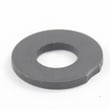
- Washer 530016030 (washer used in clutch/fastener stack-ups)
Last updated: February 2026
Why do landscapers take the guard off string trimmers?
Some landscapers remove the guard on a Weed Eater 1214 line trimmer to reach tight spots and improve visibility of the cutting path, but it also increases the chance of thrown debris and line breakage. We recommend keeping the guard installed for safer, more consistent trimming.
What changes when the guard is removed
Removing the guard typically affects control, safety, and cut quality:
- More access under shrubs, fences, and along tight edges
- Less protection from rocks, sticks, and debris being thrown back
- More risk of damaging nearby objects (siding, windows, AC fins)
- Faster line wear and more frequent line breaks in rough areas
- Less consistent cutting height because the guard often helps set spacing
When the guard matters most
Keep the guard on (or replace it) when you are:
- Trimming near gravel, mulch, or hardscape where debris can launch
- Working close to people, pets, cars, or windows
- Edging along sidewalks and driveways where line can slap and snap
- Trying to reduce vibration and improve control
If your guard is cracked or missing, replacing it restores the intended shielding and spacing. For this model, the correct replacement is the blade cover 530351801.
Quick comparison
| Setup | Access in tight spaces | Debris protection | Line life |
|---|---|---|---|
| Guard installed | Good | Best | Better |
| Guard removed | Best | Worst | Worse |
Why it matters
On electric line trimmers like the Weed Eater 1214, the guard is a key safety and performance part. It helps contain debris, reduces accidental contact with the spinning head, and can make trimming more predictable, especially for homeowners.
Last updated: February 2026
What's the difference between a weedeater and a string trimmer?
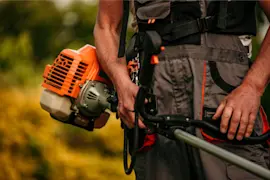
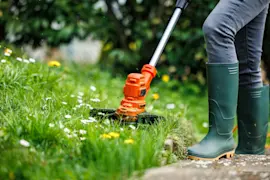
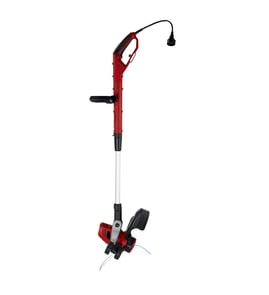
A “Weed Eater” and a “string trimmer” are the same type of tool; for your Weed Eater model 1214, both terms describe a handheld trimmer that cuts grass and weeds with a spinning nylon line. “Weed Eater” is commonly used as a brand-style nickname, while “string trimmer” is the generic product name.
Quick definitions (how the terms are used)
- String trimmer: the generic name for the tool type (also called a line trimmer).
- Weed Eater: often used as a common nickname for any string trimmer; it is also used as a brand name on some products.
- Weed wacker: another common nickname for the same tool.
- Electric line trimmer: highlights the power source (corded or battery) rather than the cutting method.
Why the name matters when buying parts
When you shop for replacement parts, the model number matters more than the nickname. For model 1214, matching the model helps you get the correct fit for items like guards and hardware.
Examples of parts that are model-specific
- A guard or cover that matches the cutting head and shaft
- Fasteners and washers that match the original hardware stack-up
- Spool or head components (varies by design)
Common term comparison
| Term you hear | What it usually means | What to use for parts lookup |
|---|---|---|
| Weed Eater | A string trimmer (nickname or brand) | Model number 1214 |
| String trimmer | The generic tool type | Model number 1214 |
| Line trimmer | Same as string trimmer | Model number 1214 |
Related part you might see on this model
If you are replacing a damaged guard, the blade cover 530351801 is one of the listed options for this Weed Eater 1214.
Why it matters
Using the correct term helps with troubleshooting conversations, but using the correct model number is what prevents ordering the wrong trimmer parts.
Last updated: February 2026