Error Codes



What are the disadvantages of a bottom freezer?
A bottom-freezer refrigerator like the Maytag MFW2055FRZ04 keeps fresh food at eye level, but the tradeoff is that frozen items sit lower and are usually stored in deep pull-out drawers. That can mean more bending, heavier loads on drawer hardware, and slightly more complexity to maintain over time.
- You bend more to reach frozen foods, especially items at the bottom of the drawer.
- Freezer drawers can get heavy when fully loaded; that extra weight can wear slide rails and door alignment points faster.
- Organization can be harder; stacked items in a deep bin are easier to “lose” than on open shelves.
- Access can feel slower; you often pull the whole drawer out to reach one item.
- Some bottom-mount designs have more door sealing surfaces (French door plus freezer drawer), which means more gasket areas to keep clean and sealing well.
If you use the freezer constantly or load it heavily, these parts tend to matter more for smooth operation:
- Drawer slide rails (binding, grinding, or not closing square)
- Door gaskets (air leaks that cause frost or temperature swings)
- Door closer/cam components (doors not self-closing consistently)
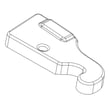
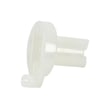
If you’re seeing door closing or alignment issues, the refrigerator door cam WPW10470155 is one example of a wear item that can affect how the door shuts.
| Feature | Bottom freezer | Top freezer |
|---|---|---|
| Fresh food access | Easier (eye level) | More bending |
| Frozen food access | More bending | Easier |
| Freezer storage style | Deep drawer bins | Shelves/bins |
| Wear points | Drawer rails, seals, cams | Door hinges, seals |
Most “disadvantages” come down to how you use the freezer. If you grab frozen items daily, the bending and drawer pull-out can be annoying. If you mostly use fresh food, the bottom-freezer layout is often more comfortable day to day.
Last updated: February 2026
What is the average lifespan of a Maytag refrigerator?
Maytag refrigerators typically last 10 to 15 years. For your Maytag MFW2055FRZ04 bottom-mount refrigerator, consistent maintenance (clean airflow paths, good door sealing, and timely filter changes) is what most directly determines whether you land closer to 10 years or push beyond 15.
Most full-size refrigerators fall into these practical ranges:
- 10 to 15 years: common, normal use
- 15 to 20 years: strong maintenance, stable power, good ventilation
- Under 10 years: heavy use, poor airflow, recurring icing, or water leaks left uncorrected
| Lifespan range | What it usually indicates | What to do next |
|---|---|---|
| 10 to 15 years | Normal wear on sealed system and fans | Keep up with cleaning and filters |
| 15 to 20 years | Good airflow, good seals, prompt repairs | Replace wear items early |
| Under 10 years | Chronic overheating, leaks, or icing | Fix root cause, not symptoms |
These actions reduce compressor run time, prevent overheating, and help temperatures stay stable:
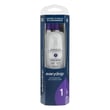
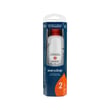
- Replace the water filter on schedule (a restricted filter can reduce water flow and strain the water system); use the correct refrigerator cartridge EDR1RXD1.
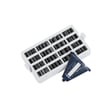
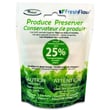
- Replace the air filter regularly to keep odors down and airflow fresh; use the refrigerator air filter W10311524.
- Keep door gaskets clean and sealing evenly; warm, soapy water and a soft cloth works well.
- Make sure doors close fully every time; a worn closer/cam can cause temperature swings.
- Vacuum dust from accessible condenser areas and keep clearance around the cabinet for ventilation.
A refrigerator lasts longer when it can cool efficiently. Dirty airflow paths, weak door seals, and overdue filters force longer run times, which accelerates wear on key components like the compressor, evaporator fan motor, and temperature sensors.
- Follow our step-by-step guide: how to replace the water filter in a Maytag refrigerator.
Last updated: February 2026
Are bottom mount fridges better?
A bottom-mount refrigerator like the Maytag MFW2055FRZ04 is “better” when you use the fresh-food section most often; it keeps everyday items at eye level and puts the freezer down low. If you access frozen foods constantly, a top-freezer layout can feel more convenient.
Bottom-mount designs are built around how most households cook and snack.
- Fresh food shelves are easier to see and reach without bending
- Crisper drawers and deli items are more accessible
- Freezer access usually requires more bending and drawer-pulling
- Wide refrigerator doors need enough clearance in front of the unit
- Organization tends to be easier in the refrigerator section than in a deep freezer drawer
| Feature | Bottom-mount refrigerator (like MFW2055FRZ04) | Top-freezer refrigerator |
|---|---|---|
| Fresh food access | Best (eye level) | Good, but lower shelves require bending |
| Freezer access | Requires bending | Easiest (freezer at top) |
| Typical use fit | Fresh-food heavy households | Frozen-food heavy households |
| Door swing/space | Often needs more front clearance | Often slightly less |
Choosing the right configuration reduces daily strain and helps food stay visible, which can cut down on forgotten leftovers and temperature swings from long door-open time.
- Set temperatures to typical targets: 37°F for the refrigerator and 0°F for the freezer
- Keep air vents unblocked so cold air circulates properly
- Replace the water filter on schedule if your unit uses one; see how to replace the water filter in a Maytag refrigerator
- If you notice odors, replace the air filter and keep spills cleaned up; the refrigerator air filter W10311524 is a common maintenance item
Last updated: February 2026
Why does my Maytag bottom freezer build up ice on the bottom?
Ice building up on the bottom of the freezer in your Maytag MFW2055FRZ04 almost always happens when the defrost drain clogs. Defrost water can’t flow to the drain pan, so it refreezes on the freezer floor and gradually forms a thick ice sheet.
During normal operation, frost melts off the evaporator during defrost cycles and should run into a drain trough, then down a drain tube to the pan underneath the refrigerator. When that drain path plugs with ice, food debris, or sludge, water backs up and freezes at the lowest point.
- Unplug the refrigerator before working inside the freezer.
- Remove the freezer drawer/basket and look for a solid ice layer on the bottom.
- Melt the ice with a hair dryer on low or by leaving the door open (use towels to catch water).
- Find the drain opening under the evaporator cover area and flush it with hot water using a turkey baster.
- Clear the drain tube by pushing a flexible plastic tube or zip tie down the drain (don’t use anything sharp).
- Clean the drain pan area underneath if you see heavy buildup that can re-contaminate the drain.
A clogged drain is the main cause, but these issues can make it come back faster:
| Symptom you notice | Common cause | What to inspect/replace |
|---|---|---|
| Ice returns every few days | Drain refreezing | Drain opening and drain tube for restriction |
| Frost and moisture around doors | Air leak | Door gaskets and door alignment |
| Temps swing, odd cooling behavior | Sensor issue | Refrigerator thermistor W11724692 |
If you also have door sealing problems, follow the steps in how to fix a fridge door seal to reduce warm air leaks that create excess frost and defrost water.
When defrost water can’t drain, ice buildup can block airflow, reduce cooling performance, and eventually cause water leaks when the ice melts. Clearing the drain restores normal defrost drainage and prevents recurring ice sheets.
Last updated: February 2026