Owner’s manual
 Error Codes


What is the average lifespan of an LG refrigerator?
Most LG refrigerators, including the LG LRFDS3006D, typically last 10 to 15 years with normal household use. Regular maintenance (clean airflow, good door sealing, and timely filter changes) helps you reach the high end of that range and reduces strain on the sealed system and compressor.
A refrigerator’s life is mostly determined by how hard the cooling system has to work and how well temperatures stay stable.
Common factors that shorten lifespan:
- Dirty condenser area or restricted airflow around the cabinet
- Doors not sealing fully (warm air leaks cause longer run times)
- Overpacked compartments blocking vents
- Frequent power interruptions or unstable power
- Skipping routine filter and cleaning maintenance
Your LRFDS3006D owner's manual includes a limited warranty that highlights longer coverage on major cooling components (sealed system and compressor). That longer coverage is a good indicator of which parts are considered long-life, high-value components.
| Component area | What it includes | Why it matters for lifespan |
|---|---|---|
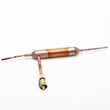
| Sealed system | Condenser, dryer, connecting tube, evaporator | Core cooling loop; failures are major repairs |
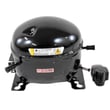
| Compressor | Compressor (including linear/inverter compressor parts coverage in later years) | Main “engine” of cooling; heavy run time accelerates wear |
| General refrigerator parts | Internal/functional parts | Smaller failures can still affect cooling performance |
We recommend these habits to keep an LG bottom-mount refrigerator running efficiently:
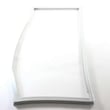
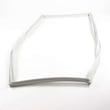
- Keep door gaskets clean and pliable; wipe with mild soap and water
- Confirm doors close on their own and stay fully shut
- Leave space for airflow around the refrigerator (especially the back and top)
- Keep vents inside the fresh food and freezer compartments unblocked
- Replace filters on schedule (water and air, if equipped)
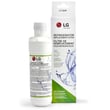
If you’re dealing with odors or stale air, replacing the air filter is a simple, high-value step; the LG kenmore refrigerator air filter ADQ73214405 is one option listed for this model.
Once a refrigerator starts running longer to hold temperature, it puts extra load on the compressor and sealed system. Preventing warm-air leaks and keeping airflow clear is the most reliable way to protect the components that determine overall lifespan.
Last updated: February 2026
What is the most common problem with the LG refrigerator?
For LG refrigerators like model LRFDS3006D, the most common customer-reported issue is cooling problems (food not staying cold or temperatures swinging). In many cases, the root cause is airflow restriction, a defrost-related issue, or a sealed-system component problem; our owner's manual troubleshooting section helps you narrow it down fast.
- Fresh food section warms up while the freezer seems OK
- Frost buildup on the back wall or around vents
- Longer run times and unusual sounds (pulsating or high-pitched can be normal)
- Doors not closing fully, leading to warm air leaks
- Ice maker or dispenser performance drops when temperatures are off
- Confirm door sealing and closing: clear packages that block the doors; make sure bins and shelves are fully seated.
- Check airflow: keep vents inside the refrigerator compartment unobstructed.
- Look for defrost symptoms: heavy frost often points to a defrost control, sensor, or airflow problem.
- Reset basics: verify temperature settings and allow 24 hours after changes.
- If water or ice looks off: follow the manual guidance for flushing and filter-related checks.
If your diagnosis points to a specific failure, these model-matched parts are often involved:
| Symptom | Common area | Example part for LRFDS3006D |
|---|---|---|
| Frost buildup, warm fresh food | Defrost sensing/airflow | Refrigerator defrost sensor assembly 6615JB2005R |
| Warm temps, sealed-system concern | Compressor/sealed system | Refrigerator compressor TCA36811409 |
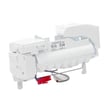
| Ice maker issues tied to temps | Ice production system | Ice maker assembly AEQ73110219 |
Cooling problems can quickly lead to food spoilage and can also trigger secondary complaints (weak ice production, dispenser issues, odors). Starting with door closure, airflow, and defrost symptoms prevents unnecessary part replacement.
Last updated: February 2026
What does DH mean on an LG thermostat?
On LG refrigerators such as model LRFDS3006D, dH (often shown as Er dH) is a defrost-related error. It indicates the refrigerator did not warm up as expected during a defrost cycle within a set time, so the control reports a defrost heating fault. Check the LRFDS3006D owner's manual for the exact display wording and any model-specific steps.
A dH code points to the defrost system not doing its job. Common causes include:
- Defrost sensor reading incorrectly (thermistor out of range)
- Defrost heater circuit problem (heater, wiring, connector)
- Heavy frost/ice buildup on the evaporator restricting airflow
- Door not sealing, letting warm moist air in and creating excess frost
- Control not energizing defrost heat when commanded
If you’re troubleshooting a sensor-related defrost issue, the parts list for this model includes the refrigerator defrost sensor assembly 6615JB2005R.
- Verify both doors close fully and the gaskets seal all the way around.
- Look for heavy frost on the rear freezer panel (a strong defrost-system clue).
- Do a power reset: unplug (or turn off the breaker) for 5 minutes, then restore power.
- Make sure interior air vents are not blocked by food packages.
- If the code returns, inspect wiring connections to the defrost sensor and heater circuit.
| What you notice | What it points to |
|---|---|
| Fresh food section warming, freezer still cold | Evaporator iced over, airflow restricted |
| Heavy frost behind rear freezer panel | Defrost heater or defrost sensor issue |
| Temps swing, code comes and goes | Loose connection or drifting sensor |
| Frost near door edges | Door gasket leak or door alignment |
When defrost heat is not working, frost builds up on the evaporator coil and blocks airflow. That reduces cooling performance, increases run time, and can lead to repeated error codes.
Last updated: February 2026