
What are the parts of a bandsaw?
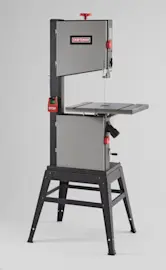
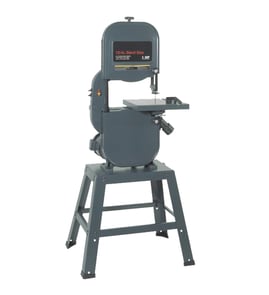
A Craftsman band saw like model 10122950 is built around a continuous loop blade that rides on two wheels and is guided through the cut by adjustable guides and a work table. Most band saws share the same core assemblies, even when configured for metal cutting.
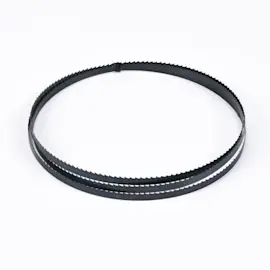
- Blade: The cutting loop; tooth pitch and blade width affect cut speed and accuracy.
- Upper wheel and lower wheel: Support and drive the blade; the lower wheel is typically the driven wheel.
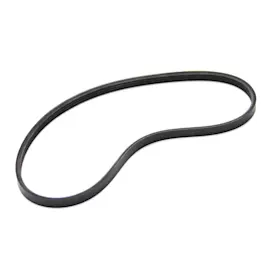
- Motor and drive system: Motor plus belt/pulley or direct drive that turns the drive wheel.
- Blade guides (upper and lower): Side guides and thrust bearing/roller that keep the blade from twisting or being pushed back.
- Blade tension mechanism: Spring/knob/lever system that tightens the blade to the correct tension.
- Tracking adjustment: Tilts the upper wheel so the blade runs centered on the tires.
- Table or work support: Supports the workpiece; many saws include a tilt or miter feature.
| If you see this | Most likely area to check | Typical fix |
|---|---|---|
| Blade walks off wheels | Tracking, wheel alignment | Adjust tracking; inspect wheel tires |
| Crooked cuts | Guides, blade tension, blade selection | Set guides close; increase tension; use correct blade |
| Excess vibration | Wheels, tires, drive belt, mounting | Check tire wear; belt condition; fasteners |
| Blade stalls in cut | Blade pitch, feed rate, motor/drive | Use proper TPI; reduce feed; check belt/pulleys |
Knowing the major parts helps you troubleshoot faster: most cutting problems come from blade selection, guide setup, tension, and tracking, not the motor itself.
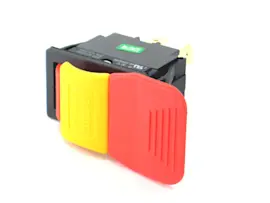
For safe electrical checks on switches, cords, and motors, use our guide: how to use a multimeter to test electrical parts video.
Last updated: February 2026
What are the top 5 bandsaw uses?
For the Craftsman 10122950 metal cutting convertible band saw, the top uses are making straight cuts in metal stock, cutting pipe and tubing, trimming bar and angle iron to length, doing repeatable cutoff work with a stop, and making controlled curved cuts when the blade and guides are set up correctly.
- Cutting metal bar stock to length: mild steel, aluminum, brass, and similar materials.
- Cutting pipe and tubing: clean, square cuts for plumbing, fabrication, and repairs.
- Angle iron and channel cutoffs: fast sizing for brackets, frames, and supports.
- Repeatable production cuts: set a length stop and make consistent parts for a project.
- Curves and notches (light contour work): useful for fitting parts, coping, and rough shaping.
- Match blade TPI to the material thickness (finer TPI for thinner wall tubing; coarser TPI for thicker stock).
- Set blade tension correctly; under-tension wanders, over-tension stresses wheels and bearings.
- Adjust blade guides close to the work to reduce deflection.
- Use a steady feed rate; forcing the cut overheats the blade and dulls teeth.
- Clamp the work securely; vibration causes crooked cuts and premature blade wear.
| Task | Best practice | Common mistake |
|---|---|---|
| Thin-wall tubing | Finer TPI, light feed | Coarse TPI snagging teeth |
| Thick bar stock | Coarser TPI, steady feed | Feeding too fast and overheating |
| Repeat cutoffs | Use a stop, consistent clamping | Measuring each piece and drifting |
| Curves/notches | Narrower blade, guides close | Wide blade binding in turns |
Using the right blade, tension, and guide settings improves cut accuracy, reduces blade breakage, and helps the saw run cooler and quieter, especially on metal where heat and vibration are the main enemies.
For safe DIY habits around power tools and repairs, use our are diy appliance repairs safe checklist.
Last updated: February 2026
What is the 3-tooth rule for bandsaws?
The 3-tooth rule means your bandsaw blade should have at least three teeth in the cut at all times. On a Craftsman 10122950 metal cutting convertible band saw, this keeps the blade from snagging, stripping teeth, and chattering, and it improves cut control and finish.
Use the material thickness to choose teeth per inch (TPI) so 3 or more teeth contact the workpiece.
- Measure the thickness where the blade enters the cut (thin wall tubing counts as the wall thickness).
- Choose a coarser TPI for thicker stock to clear chips.
- Choose a finer TPI for thin stock to prevent tooth grab.
- If the cut chatters, go finer TPI or reduce feed pressure.
- If the blade loads up or overheats, go coarser TPI and improve chip clearing.
| Material thickness | Typical TPI range | What you’ll notice |
|---|---|---|
| Under 1/8 in | 18 to 32 TPI | Prevents tooth snagging on thin edges |
| 1/8 to 1/4 in | 14 to 24 TPI | Balanced control and speed |
| 1/4 to 1/2 in | 10 to 18 TPI | Faster cutting with good chip clearing |
| Over 1/2 in | 6 to 10 TPI | Best for heavy stock and cooler cutting |
Metal cutting generates heat and chips; if too few teeth engage, each tooth takes too big a bite and can strip. If too many teeth engage, chips pack in the gullets, heat rises, and the blade dulls faster.
- Set blade tension correctly and track the blade before cutting.
- Keep blade guides close to the workpiece for stability.
- Use steady, moderate feed pressure; do not force the cut.
- For electrical issues that affect cutting power, use how to use a multimeter to test electrical parts video to check switches, cords, and connections.
Last updated: February 2026
What is the specs of the Craftsman 12 inch bandsaw 10122950?
The Craftsman 10122950 is a metal cutting convertible band saw, not a 12-inch woodworking vertical band saw. Its key cutting capacity is 3 in. x 6 in. (commonly stated as 3 inches round and 3 x 6 inches rectangular), and it can be used in horizontal or vertical cutting setups.
- Saw type: metal cutting convertible band saw (horizontal/vertical)
- Cutting capacity: 3 in. round and 3 in. x 6 in. rectangular
- Typical use: cutting steel, aluminum, and other metals with the correct blade tooth pitch
- Common setup features: vise/clamp for stock, adjustable blade guides, and a pivoting saw head (horizontal mode)
| Capacity listing | What it describes | Example material |
|---|---|---|
| 3 in. round | Largest round stock diameter | 3-inch pipe or bar |
| 3 in. x 6 in. rectangular | Largest rectangle that fits in the cut window | 3x6 tubing/flat stock |
Because this model can be configured for horizontal or vertical cutting, confirm these items on your saw before buying blades or setting up a job:
- Measure the maximum opening at the blade with the vise/clamp positioned for cutting
- Check the blade length printed on the blade currently installed
- Verify motor nameplate voltage/amperage before wiring or replacing electrical parts
- Inspect the guide bearings/blocks for wear; worn guides reduce cut accuracy
Using the correct capacity for the Craftsman 10122950 prevents buying the wrong blade size and helps you clamp stock safely so the saw tracks straight and does not bind during metal cutting.
For safely checking power to the switch or motor while troubleshooting, use how to use a multimeter to test electrical parts video.
Last updated: February 2026