Owner’s manual

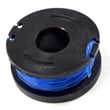
Are string trimmer heads interchangeable?
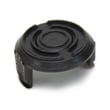
Many string trimmer heads are interchangeable in concept, but they are not universally interchangeable. On a Craftsman 172743240 electric line trimmer, the replacement head must match the attachment style and shaft specs (thread size, thread direction, and whether it uses an adapter) to fit and spin correctly.
What has to match for a head to fit
Even when two heads look similar, these details determine compatibility:
- Mount type: threaded head, bolt-on head, or a proprietary coupler
- Thread size: common sizes vary by brand and model
- Thread direction: some heads use left-hand threads to prevent loosening
- Arbor/shaft diameter: must match the trimmer’s output shaft
- Electric trimmer limits: head weight and cutting diameter must stay within what the motor can handle
- Line size range: the head must accept the correct line diameter
Quick compatibility checklist for model 172743240
Use this checklist before ordering a new head:
- Confirm the exact model number on the data plate: 172743240.
- Check whether your current head threads on or is held by a retaining bolt/nut.
- Note the thread direction by observing how the head loosens (many loosen clockwise if left-hand threaded).
- Measure the line diameter you use now (common homeowner sizes are around 0.065 to 0.080 inch).
- Compare the new head’s required adapter hardware to what your trimmer uses.
Typical outcomes (what to expect)
| Situation | What it usually means | Best next step |
|---|---|---|
| Same brand and same mount style | Often compatible | Match thread size and direction |
| Different brand “universal” head | Sometimes compatible | Verify adapter fits and head is not oversized |
| Head is heavier or larger cutting swath | Can overload an electric motor | Choose a lighter head closer to the original |
Why it matters
A mismatched trimmer head can loosen during use, vibrate excessively, strip threads, or overload the motor. Matching the mount and shaft specs helps your Craftsman trimmer run smoothly and keeps line feed working the way it should.
For the exact head style and any adapter details used on this model, we recommend checking the 172743240 owner's manual.
Last updated: February 2026
Does the Craftsman 172743240 use oil?
No. The Craftsman 172743240 is an electric line trimmer, so it does not use engine oil or a gas and oil fuel mix. Routine care focuses on the cutting line, keeping vents clear, and inspecting the power cord and switch.
What to use (and what not to use)
- Do use: the correct diameter trimmer line listed in your owner's manual.
- Do not use: 2-cycle mix, 4-cycle engine oil, or fuel stabilizer (those apply to gas trimmers).
- Do use: light cleaning and basic inspection after trimming.
Quick maintenance checklist for an electric trimmer
- Unplug before servicing or clearing a jam.
- Clean grass and debris from the guard and spool area.
- Check the cord for nicks, cuts, or crushed spots.
- Make sure air vents are open (overheating can trip protection).
- Replace worn line and reload the spool correctly.
Troubleshooting guide (common symptoms)
| Symptom | Most common cause | What to do |
|---|---|---|
| Won’t start | No power, bad extension cord, switch issue | Try a known-good outlet and cord; inspect cord and plug |
| Stops while trimming | Overload or overheating | Let it cool; reduce line length; clear wrapped grass |
| Line won’t feed | Incorrect winding or wrong line size | Rewind spool per manual; use the specified line |
Why it matters
Using oil or fuel products on an electric trimmer creates mess and can damage plastic parts. The right maintenance keeps the motor cooler, improves cutting performance, and helps the spool feed line smoothly.
If you need to test the cord, switch, or motor circuit, our how to use a multimeter to test electrical parts video walks through safe, basic meter checks.
Last updated: February 2026
Which is better, .080 or .095 trimmer line?
For the Craftsman 172743240 electric line trimmer, neither .080 nor .095 is better because this model is designed to use 0.065-inch twisted trimmer line only. Using thicker line can overload the trimmer head, reduce performance, and create a safety hazard; confirm the line requirement in the 172743240 owner's manual.
What to use on model 172743240
- Use 0.065-inch twisted trimmer line (the specified size and style).
- Do not use .080 or .095 line; it is heavier than the trimmer is designed to run.
- Avoid “universal” heavy-duty line marketed for gas trimmers.
- Replace line when it becomes brittle, fused, or frayed.
- Wind the spool evenly so the line feeds smoothly.
Why thicker line is not “better” on this trimmer
Thicker line increases drag at the cutting head. On an electric trimmer like the Craftsman 172743240, that extra load can cause poor cutting, frequent feed problems, and overheating or premature wear.
Quick comparison (for this model)
| Line size | Fit for Craftsman 172743240 | What you may experience |
|---|---|---|
| 0.065 twisted | Yes (recommended) | Proper feed, normal motor load |
| .080 | No | Binding, poor feed, higher motor load |
| .095 | No | Severe binding risk, high load, unsafe operation |
If you need more cutting power
- Trim in lighter passes instead of forcing the head into thick weeds.
- Keep the guard and head clean so line can advance.
- Let the trimmer reach full speed before contacting grass.
- If you routinely cut heavy weeds, use a trimmer designed for heavier line.
Last updated: February 2026
Why do landscapers take the guard off string trimmers?
Landscapers sometimes remove the guard on a string trimmer to improve sightlines and maneuverability, and to run a longer cutting line for faster edging. On a Craftsman electric line trimmer like model 172743240, removing the guard also increases the chance of thrown debris and line breakage, so we recommend keeping the guard installed.
Common reasons pros remove the guard
- Cleaner visibility of the cut path for straighter edges along sidewalks and curbs
- Faster coverage by running a longer line (wider cutting swath)
- Easier access in tight spots (fences, shrubs, landscape borders)
- Less drag from the guard contacting tall grass
- Slight weight reduction and different balance feel
What you give up (and what can go wrong)
Removing the guard changes how the trimmer controls debris and line length. That can lead to more kickback, more flying rocks and sticks, and more wear on the cutting head.
- More debris thrown toward legs, windows, vehicles, and siding
- More frequent line snapping and faster line consumption
- Higher chance of nicking bark, edging too deep, or scalping turf
- Greater risk of damaging the trimmer head if it contacts hard surfaces
Guard on vs. guard off (quick comparison)
| Setup | Best for | Tradeoffs |
|---|---|---|
| Guard on | General trimming, safer edging near gravel and hardscape | Slightly less visibility; line length is controlled |
| Guard off | Speed edging in open areas (experienced users) | More debris, more line breakage, higher injury risk |
Best practice for model 172743240
Use the guard and focus on technique instead of extra line length.
- Keep the head slightly tilted for edging (do not force it into concrete)
- Trim in short passes; let the line do the cutting
- Avoid gravel driveways and loose stone where possible
- Inspect the guard and cutting head for cracks before each use
Why it matters
The guard is part of the trimmer’s safety system; it helps control where debris goes and helps keep the cutting line at a manageable length. That matters most on electric trimmers, where consistent control reduces overload and accidental damage.
For model-specific safety notes and operating setup, follow the 172743240 owner's manual.
Last updated: February 2026