Installation guide
 Owner’s manual
 Error Codes



Is the GE 4.8 front load washer any good?
Yes. The GE GFWR4800F0WW 4.8 cu. ft. front load washer is a strong choice for most homes because it delivers high-capacity washing with typically quiet operation and effective cleaning; long-term results depend most on correct installation, routine cleaning, and avoiding chronic overloading. See the GFWR4800F0WW owner's manual for cycle features and care guidance.
What owners typically like (and what to watch)
Common strengths
- Large capacity for bulky loads (comforters, towels, mixed family loads)
- Efficient water use typical of front load washers
- Good cleaning performance when using HE detergent and correct dosing
- Generally lower vibration when the washer is level and loads are balanced
Common complaints (usually preventable)
- Odor or mildew if the door and gasket stay wet between loads
- Vibration or walking if the washer is not leveled or loads are consistently unbalanced
- Detergent residue if too much detergent is used or the dispenser is dirty
Quick setup and care checklist
Use this list to get the best performance from a GE front load washer like the GFWR4800F0WW.
- Level the washer and confirm it sits solidly on the floor (no rocking)
- Use HE detergent and reduce the dose for soft water or small loads
- Leave the door ajar after washing so the tub and gasket can dry
- Wipe the door boot and glass regularly; check for trapped socks or debris
- Clean the dispenser drawer periodically to prevent buildup
Parts that matter if performance drops
If the washer starts shaking, leaking, or not draining, these model-matched parts are common fixes:
| Symptom | Likely area | Example model-matched part |
|---|---|---|
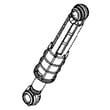
| Excessive vibration or banging | Suspension | Washer shock absorber WH01X10727 |
| Water leaking at the door | Door seal | Main gasket WH08X22620 |
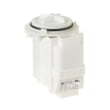
| Won’t drain or drains slowly | Drain system | Washer drain pump WH23X10051 |
Why it matters
Front load washers clean well and save water, but they are more sensitive to leveling, load balance, and moisture control. A few habits (proper detergent dosing and drying the door area) make the washer stay quieter, cleaner, and more reliable.
Last updated: January 2026
What is the biggest problem with front load washers?
The biggest problem with front load washers (including the GE GFWR4800F0WW) is moisture getting trapped around the door area, which commonly leads to odors, mildew, or mold on the door boot and in the dispenser. Consistent cleaning and airflow habits prevent most of these complaints.
What causes the issue most often
Front load washers seal tightly for efficiency, but that tight seal can hold moisture after a cycle.
- Water stays on the rubber door boot folds and glass
- Detergent residue and fabric softener buildup feed odors
- The dispenser drawer can stay damp between loads
- Frequent cold-water washing can leave more residue behind
- Overdosing HE detergent creates extra suds and film
What we recommend for the GE GFWR4800F0WW
These steps reduce odor and mildew problems without changing how you wash day to day.
- Leave the door slightly open between loads so the tub can dry
- Wipe the door boot folds and the bottom lip after the last load of the day
- Pull the dispenser out and rinse it weekly; let it dry before reinstalling
- Run a monthly cleaning cycle (hot water, washer cleaner, or per the GFWR4800F0WW owner's manual)
- Use the correct amount of HE detergent; more soap usually makes odors worse
Parts that are commonly involved
If you already have leaks, persistent odor on the rubber, or visible tearing, the door boot is a common wear item on front load washers.
| Symptom | Most common area | Typical fix |
|---|---|---|
| Musty smell after sitting | Door boot, tub, dispenser | Clean, dry, run cleaning cycle |
| Visible mold on rubber folds | Door boot | Deep clean or replace boot |
| Water on floor at front | Door boot seal area | Inspect boot for tears, replace if damaged |
If the boot is torn or won’t clean up, we typically replace the main gasket WH08X22620.
Why it matters
Odor and mildew are more than a nuisance; buildup can cause poor rinsing, dingy laundry, and premature wear on seals and dispenser components. Keeping the door boot and dispenser clean helps the washer stay efficient and reduces service calls.
Last updated: January 2026
How do I find the model number on my GFWR4800F0WW?
Your GE washer’s model number is printed on the appliance ID label; on GFWR4800F0WW units it’s typically found around the door opening (door jamb) or just inside the front panel area. If the label is worn, you can also display the model code in Service Mode using the steps in the installation guide.
Quick ways to confirm the model number
- Check the ID label around the washer door opening and frame.
- Look for a full model string like GFWR4800F0WW (letters and numbers matter).
- Write down the entire model number and serial number before ordering parts.
- If the label is unreadable, use the control-panel Service Mode “Model Number test”.
- Match the model number when selecting parts like the washer drain pump WH23X10051.
Using Service Mode to display the model code (control panel method)
We use this method when the UI/control has been replaced or the label is hard to read.
- Start with the washer in Idle Mode (all display LEDs off).
- Press this key sequence to enter Service Mode:
- Rinse, Delay Wash, Rinse, Delay Wash
- The display shows “O1”.
- Turn the knob clockwise until the display shows “O2”.
- Press Start/Pause to initiate the Model Number test (digits blink).
Model code reference for GFWR4800F series
| Washer model family | Model code shown in test |
|---|---|
| GFWR4800F0 or GFWR4800F1 (and GFWR4805F0/F1) | 003 |
| GFWR4800F2 (and GFWR4805F2 and higher) | 006 |
Why it matters
The exact model number (including the “F0” revision) determines the correct fit for parts like the drain pump, water inlet valve, and control components; using the wrong revision can cause installation or performance problems.
Last updated: March 2026