Installation guide
 Owner’s manual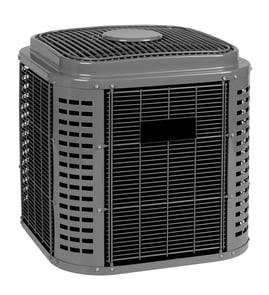



What tonnage is 38TRA030?
The Carrier 38TRA030 condensing unit is a 2.5-ton central air conditioner. In this model family, “030” indicates about 30,000 BTU/hr of nominal cooling capacity (30,000 ÷ 12,000 = 2.5 tons). See the installation guide for size-related connection details.
Quick conversion (BTU to tons)
| Nominal size code | Approx. BTU/hr | Approx. tons |
|---|---|---|
| 018 | 18,000 | 1.5 |
| 024 | 24,000 | 2.0 |
| 030 | 30,000 | 2.5 |
| 036 | 36,000 | 3.0 |
How we identify the size on 38TRA units
On Carrier model numbers like 38TRA030, the last three digits are the nominal capacity code. That code is used for matching the outdoor condensing unit to the correct indoor evaporator coil and refrigerant line sizing.
Why tonnage matters for installation and repairs
Correct tonnage helps prevent:
- Poor humidity control from oversizing
- Long run times and comfort complaints from undersizing
- Incorrect refrigerant line sizing and oil return issues
- Mismatched indoor coil problems (capacity and efficiency)
- Higher stress on the compressor and electrical components
Related specs you will see tied to “030”
For 38TRA030, the installation instructions list typical refrigerant connection sizing for the 030/036 group. Use this as a check when evaluating an existing lineset:
- Liquid line connection is commonly 3/8-in. O.D.
- Vapor (suction) line connection is commonly 3/4-in. O.D.
- Long-line applications can change recommended tubing sizes; follow the sizing table in the installation guide
Parts that commonly relate to capacity and starting issues
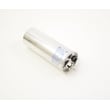
Tonnage does not change the part you need by itself, but 2.5-ton systems often share common electrical and start components. If your 38TRA030 has hard-start or no-start symptoms, a common related part is the capactr dual CAP050300440RSP. For ordering additional parts by model number, use the parts list for 38TRA030 or search on Sears PartsDirect.
Last updated: February 2026
How much does a 3 ton Carrier AC cost?
A 3-ton Carrier central air conditioner typically costs about $5,000 to $6,000 installed, with total price varying by efficiency rating, installation complexity, and required electrical or refrigerant-line work. For your Carrier 38TRA030 condensing unit, confirm installation requirements in the installation guide.
What drives the installed price
- Efficiency level (higher efficiency usually costs more up front)
- Installation scope (new install vs. change-out)
- Electrical work (disconnect, wiring, breaker, whip)
- Refrigerant line set work (reuse vs. replace, line length, brazing)
- Site conditions (pad, rooftop mounting, clearances, access)
- Permits and local labor rates
Model-specific installation details that can affect labor
The 38TRA series installation instructions call out items that can add time or materials:
| Item | Typical impact on cost | What to check |
|---|---|---|
| Clearances (service end and above unit) | May require relocating unit or pad | 30 in. at service end; 48 in. above unit; side clearances per guide |
| Outdoor operating ambient | May require accessories for special conditions | Cooling mode range is typically 55°F to 125°F |
| Leveling requirement | May require pad correction/shimming | Unit level within about ±2° |
Quick budgeting ranges (installed)
Use these as planning numbers for a 3-ton system:
- Standard efficiency, straightforward change-out: $5,000 to $6,000
- Higher efficiency or more complex install: $6,000 to $9,000
- Major add-ons (ductwork changes, electrical upgrades, difficult access): $9,000+
Why it matters
Installed cost is not just the outdoor unit price; it includes matching system setup, safe electrical connections, refrigerant piping practices, and correct clearances so the condensing unit can move air and be serviced properly.
Parts and service planning
If you are budgeting because the system is not starting or is short-cycling, common service parts for this model family include a contactor and run capacitor. You can look up replacement parts for your 38TRA030 on the parts list for this model, or search by model number on Sears PartsDirect.
Last updated: February 2026
Is it hard to get Carrier parts?
For Carrier 38TRA030 (condensing unit), getting the right replacement part is usually straightforward when you match the exact model and the part specifications; some items can take longer if they are specialty components or have limited availability. Use the installation guide and the parts list for this model to confirm what you need before ordering.
What makes Carrier parts seem “hard to get”
Carrier central air conditioner parts are often model-specific, and the challenge is usually identification, not access. Delays typically happen when the part requires exact electrical ratings or when the unit is older.
Common reasons:
- Multiple “look-alike” parts with different voltage, amp, or microfarad ratings
- Parts that are ordered less often (longer lead times)
- Missing model and serial information when shopping
- Electrical parts that must match the original wiring and terminals
- Outdoor-unit wear that causes more than one part to fail (for example, capacitor plus contactor)
Parts we commonly see replaced on the 38TRA030
These are typical service parts for a condensing unit; availability can vary by day.
| Part type | What it does | When it’s commonly needed |
|---|---|---|
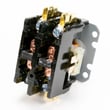
| Contactor | Switches high-voltage power to the compressor and fan | Outdoor unit will not start, buzzing, burnt contacts |
| Run capacitor (dual) | Helps start and run the compressor and fan motor | Humming, hard starts, fan not spinning |
| Hard start kit | Boosts compressor starting torque | Compressor struggles to start, frequent trips |
If you are troubleshooting a no-cool or no-start issue, the capactr dual CAP050300440RSP is one of the first electrical parts we check because a weak capacitor can mimic bigger problems.
How we recommend you confirm the correct part
Use these steps to avoid ordering the wrong component:
- Verify the model number is 38TRA030 on the unit data plate
- Compare the old part’s ratings (volts, amps, microfarads) to the replacement listing
- Check wire locations and terminal labels before disconnecting anything
- Shut off power at the outdoor disconnect and breaker before opening the panel
- Use a meter correctly when testing electrical parts
Why it matters
On a central air conditioner condensing unit, using a mismatched electrical part can cause repeat failures, nuisance breaker trips, or damage to the compressor or fan motor. Correct matching keeps the repair safe and reliable.
Ordering tip
We recommend ordering directly from the parts list for your Carrier 38TRA030 first; for broader model-based searching and account tools, use Sears PartsDirect.
Last updated: February 2026
How many square feet is a 4 ton Carrier AC unit?
A 4-ton central air conditioner typically cools about 2,000 to 2,500 square feet in an average home. The exact coverage depends on insulation, ceiling height, window exposure, and local climate; use the sizing guidance in your installation guide to match capacity to your home.
Quick sizing rule of thumb (what 4 tons means)
Most residential sizing starts with about 20 to 30 BTU per square foot (higher for hot climates or poor insulation). Since 1 ton = 12,000 BTU/hr, a 4-ton system is roughly 48,000 BTU/hr.
- 4 tons = ~48,000 BTU/hr cooling capacity
- Typical coverage range: 2,000 to 2,500 sq ft
- Hotter climates often land closer to the low end
- Better insulation and shade can push coverage higher
- Duct condition and airflow can change real-world performance
What changes the square-foot number the most
These factors usually explain why two homes of the same size need different tonnage:
- Insulation and air leaks (attic, walls, doors)
- Ceiling height (taller ceilings increase volume to cool)
- Sun exposure and window area (west-facing glass adds load)
- Duct sizing and static pressure (restricted airflow reduces delivered cooling)
- Humidity and ventilation (latent load can require more capacity)
Model note for Carrier 38TRA030
Your Carrier 38TRA030 is a condensing unit; the “030” size commonly aligns with about 2.5 tons, not 4 tons. Confirm the actual tonnage by checking the unit rating plate and the match with the indoor coil and metering device listed in the installation guide.
| Nominal size | Approx. BTU/hr | Typical home size range |
|---|---|---|
| 2.5 ton | 30,000 | 1,250 to 1,600 sq ft |
| 3 ton | 36,000 | 1,500 to 2,000 sq ft |
| 4 ton | 48,000 | 2,000 to 2,500 sq ft |
Why it matters
Correct sizing prevents short cycling, improves humidity control, and helps protect major components like the compressor and run capacitor from excessive starts and heat stress.
Ordering the right parts for your system
When you are servicing the outdoor unit, match parts to the exact model and electrical ratings. Common service parts for this model family include a contactor and dual run capacitor; you can also search by model number on Sears PartsDirect.
Last updated: February 2026
What is the most common part to fail on an AC unit?
On most central AC condensing units, the run capacitor is the most common part to fail. In a Carrier 38TRA030 condensing unit, a weak or failed capacitor can keep the compressor or condenser fan from starting, causing humming, hard starts, or no cooling. See the owner's manual for safety and maintenance basics.
What usually fails first (and what you may notice)
- Run capacitor: outdoor fan or compressor will not start, unit hums, intermittent cooling.
- Contactor: outdoor unit will not turn on, chattering or buzzing at the electrical compartment.
- Wiring connections: burnt terminals, loose spade connectors, melted insulation.
- Airflow and maintenance issues: dirty indoor filter strains the system and can lead to overheating and shutdown.
Parts we commonly replace for this model
If your symptoms point to an electrical start/run issue, these are common fixes for the Carrier 38TRA030:
| Symptom | Likely part | Example part on this page |
|---|---|---|
| Hums but will not start | Run capacitor | Capactr dual CAP050300440RSP |
| Outdoor unit will not pull in | Contactor | Contactor (part number HN51KB024) |
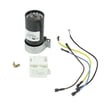
| Hard starting compressor | Hard start kit | Central air conditioner compressor hard start kit KSAHS1501AAA |
Quick checks that prevent repeat failures
Before replacing parts, we recommend these basics because they directly affect efficiency and lifespan:
- Disconnect power to both indoor and outdoor units before any inspection (there can be more than one disconnect).
- Keep the outdoor unit clear; maintain about 12 inches of clearance from tall grass, vines, shrubs, and debris.
- Do not “jiggle” the thermostat; wait at least 5 minutes after the compressor shuts off before changing settings again.
- Check the indoor air filter every 3 to 4 weeks; a dirty filter can overheat the compressor and blower.
Why it matters
A failing capacitor or contactor can cause repeated hard starts and rapid cycling, which increases electrical stress on the compressor. Catching the problem early often prevents bigger, more expensive repairs.
You can order replacement parts from the parts list for your Carrier 38TRA030, or search by model on Sears PartsDirect.
Last updated: February 2026