Owner’s manual
 Error Codes




What is the most common problem with Samsung refrigerators?
The most common issue we see with Samsung refrigerators like model RF29A9771SR is a cooling problem caused by airflow restriction or frost and ice buildup around the evaporator area, which can make the fresh food section warm even when the freezer seems OK. Confirm the operating and safety basics in the RF29A9771SR owner's manual.
Most common symptoms customers notice
- Refrigerator section warms up or temperature swings
- Frost or ice buildup inside the back wall area
- Fan noise, rattling, or a “whooshing” sound that changes as doors open
- Ice maker slows down, jams, or stops producing
- Water dispenser flow becomes weak or intermittent
What usually causes the “not cooling right” complaint
Cooling complaints typically come down to one of these categories:
| Category | What happens | Common next step |
|---|---|---|
| Airflow blocked | Vents covered by food or bins | Clear vents, reorganize items |
| Frost and ice buildup | Evaporator area can’t move air | Defrost and check defrost-related parts |
| Fan not moving air | Warm spots, noisy operation | Inspect/replace fan motor |
| Sensor feedback issue | Temps drift or cycle oddly | Test/replace temperature sensor |
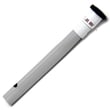
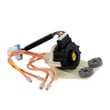
If you suspect a fan or sensor issue on RF29A9771SR, two commonly involved components are the refrigerator fan motor DA97-20025A and the refrigerator temperature sensor DA32-10104V.
Quick checks we recommend before replacing parts
- Make sure interior air vents are not blocked (the manual warns blocked vents can cause overcooling and water leakage).
- Verify doors close and seal fully; warm air leaks create frost and temperature swings.
- After any unplugging, wait at least 5 minutes before plugging back in (per the manual).
- If the ice maker is on but the water line is disconnected, turn ice making off to prevent buzzing at the valve.
Why it matters
Cooling and airflow problems can cascade: poor circulation leads to frost, frost reduces airflow even more, and temperatures become inconsistent. That can also affect ice production and dispenser performance.
Last updated: February 2026
What are the most commonly replaced parts in a refrigerator?
In a Samsung refrigerator like model RF29A9771SR, the most commonly replaced parts are the ones that handle water, airflow, and door sealing: water filters, ice maker components, fan motors, sensors, and dispenser switches. These parts see the most wear and directly affect cooling and ice/water performance.
Most common refrigerator parts customers replace
These are the parts we see replaced most often across modern bottom-mount and French door refrigerators:
- Water filter (clogging reduces water flow and can affect ice production)
- Ice maker assembly (no ice, small cubes, jams, or harvest issues)
- Evaporator or circulation fan motor (warm fridge, uneven temps, noisy fan)
- Temperature sensors/thermistors (temps swing, error alarms, poor cooling control)
- Dispenser switch (dispenser not responding or intermittent)
- Door gasket/seal (frost, condensation, warm spots from air leaks)
For part locations and model-specific component names (like the water filter and dual ice makers), use the RF29A9771SR owner's manual.
Common replacements we stock for RF29A9771SR
Here are examples of model-matched parts that commonly solve real-world symptoms:
| Symptom you notice | Part type often involved | Example model-matched part |
|---|---|---|
| Fridge warms up or gets noisy | Fan motor | Refrigerator fan motor DA97-20025A or Samsung refrigerator evaporator fan motor DA31-00334C |
| Ice maker stops making ice | Ice maker | Refrigerator ice maker DA97-22160A |
| Temps seem inaccurate | Temperature sensor | Refrigerator temperature sensor DA32-10104V |
| Dispenser won’t run | Switch | Refrigerator dispenser switch 3405-001117 |
Why these parts fail more than others
These components work constantly or deal with conditions that cause faster wear:
- Water filters clog from normal sediment and mineral buildup
- Ice makers cycle heaters, motors, and sensors repeatedly
- Fan motors run for long periods and can ice up if airflow is restricted
- Sensors drift over time and can trigger temperature alarms
- Door seals deform or get dirty, letting warm air leak in
Quick checks before you replace anything
We recommend these basic steps first because they often pinpoint the real cause:
- Confirm the control panel settings are correct for fridge, freezer, and FlexZone
- Make sure doors and drawers close fully and seals are clean
- Listen for fan noise changes (rubbing, buzzing, or silence)
- If you have low water flow, replace the water filter and purge air from the line
- Review alarm and troubleshooting guidance in the RF29A9771SR owner's manual
Why it matters
Replacing the right part first saves time and prevents food spoilage. For example, a “warm fridge” complaint is often airflow (fan motor or frost blockage) rather than a sealed-system issue.
Last updated: February 2026
What's the average lifespan of a Samsung fridge?
Most Samsung refrigerators last 10 to 15 years on average with normal household use and basic maintenance. For your Samsung RF29A9771SR bottom-mount refrigerator, keeping airflow clear, cleaning regularly, and fixing cooling or ice issues early helps you reach the high end of that range; see the RF29A9771SR owner's manual for model-specific care guidance.
Typical lifespan and what affects it
A refrigerator’s life depends less on the cabinet and more on how hard the sealed system and fans have to work.
- Room temperature and ventilation around the refrigerator
- Door opening frequency and how long doors are left open
- Condenser and airflow cleanliness (dust and blocked vents raise run time)
- Ice maker and water system upkeep (clogs and leaks create secondary damage)
- Temperature stability (warm swings increase compressor workload)
Maintenance that extends life (high impact)
These are the habits that most consistently improve reliability on French door and bottom-mount designs like the RF29A9771SR.
- Keep food away from rear vents so air circulates properly
- Do not block interior air vents with bags or oversized items
- Clean spills promptly; keep drawers and shelves seated correctly
- Replace filters on schedule and purge air from the water line after service
- If you unplug it, wait at least 5 minutes before plugging back in
Quick “repair or replace” decision guide
| What you’re seeing | What it usually means | Best next step |
|---|---|---|
| Not cooling evenly, warm spots | Airflow restriction or fan issue | Check vent blockage; inspect evaporator fan noise |
| Loud or new fan noise | Worn fan motor or ice buildup | Follow troubleshooting steps in the manual |
| Ice maker stops or makes small cubes | Water supply, filter, or ice maker issue | Use why your Samsung fridge stopped making ice and how to fix it |
| Water taste/odor, slow dispensing | Filter or reservoir restriction | Replace filter; flush system |
Why it matters
A refrigerator that runs longer to hold temperature wears the compressor, fan motors, and sensors faster. Simple airflow and cleaning steps reduce run time, which directly improves lifespan and helps prevent expensive cooling failures.
Last updated: February 2026