Owner’s manual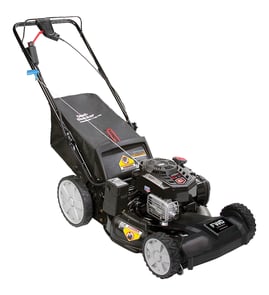



When was the Toro 20017 made?
Toro model 20017 (22-inch Recycler walk-behind mower) was produced in the mid-2000s, and the operator’s manual for this model is a 2005 publication, which places this mower in that production era. For the most accurate date range, match your mower’s serial number to the serial-number information in the owner's manual.
How to date your Toro 20017 by serial number
Your Toro 20017 has a model and serial number label on the mower (the manual shows the label location). Use these steps:
- Find the model number and serial number on the mower’s ID label
- Confirm the model is 20017
- Compare your serial number to the serial-number notes in the owner's manual
- Record the numbers for future parts lookups and service
- If the label is damaged, check common label areas: rear deck, near the handle mounts, or by the engine shroud
Why the manual date matters
The Toro 20017 operator’s manual is marked Form No. 3352-565 Rev A and includes a 2005 copyright. That tells us the mower was actively sold and supported around that time, even if your specific unit could have been built slightly earlier or later.
Quick reference: what you can use to estimate the build era
| What you check | Where to find it | What it tells you |
|---|---|---|
| Manual publication year | Owner's manual | The model’s support timeframe (mid-2000s) |
| Serial number | Mower ID label | Best way to narrow to a specific production run |
| Parts match | Parts diagrams and listings | Confirms you are sourcing parts for the correct version |
Why it matters
Knowing the approximate production timeframe helps you order the correct walk-behind mower parts (blade, drive components, bagging parts) and avoid mismatches when Toro made running changes during a model’s lifecycle.
Last updated: February 2026
Why are Toro 20017 so expensive?
Toro model 20017 costs more than many basic walk-behind mowers because it is built as a higher-quality Toro Recycler mower intended for long-term service; you are paying for cut performance, durability, and a warranty structure that assumes routine maintenance. For model-specific operation and maintenance details, use the 20017 owner's manual.
What typically drives the price up
Higher price on a mower like the Toro 20017 usually comes from a mix of build quality, performance, and ownership features:
- More durable deck and chassis construction than entry-level mowers
- Recycler-style cutting and mulching design for better cut quality
- More robust controls and safety hardware (handle, brake bar, fasteners)
- Better long-term parts support and serviceability
- Warranty coverage tied to proper maintenance and correct starting procedures
What the manual highlights (maintenance and warranty)
The Toro 20017 operator documentation focuses on safe operation, correct starting steps, and routine maintenance. It also spells out that normal wear items and regular service are expected ownership costs (oil changes, spark plug, air filter, blade sharpening, adjustments).
Residential vs. commercial use (how it affects value)
| Use type | Coverage described in the manual | What it means for price |
|---|---|---|
| Residential use | Longer coverage and a starting guarantee period | More support built into the purchase price |
| Commercial/rental use | Shorter coverage window | Not priced as a true commercial mower |
Parts and upkeep that affect total cost
Even when the mower price is higher, the total value improves when you can maintain it with correct-fit parts. Examples of common wear and hardware items for this model include:
- Toro blade 104-8697-03 (cut quality and vibration control)
- Toro lawn mower grass bag 107-3779 (bagging performance)
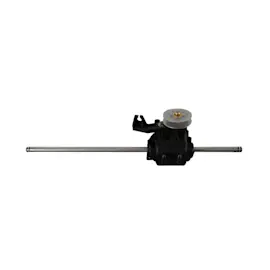
- Toro wheel gear assembly 105-3036 (drive wheel engagement)
Why it matters
A mower built to be maintained (not treated as disposable) starts more consistently when serviced, cuts more evenly, and stays repairable because replacement parts remain available.
Last updated: February 2026
How many hours will a Toro 20017 last?
A Toro 20017 gas walk-behind mower lasts 500 to 1,000+ operating hours in normal residential use when it gets routine maintenance. Oil changes, clean cooling airflow, and a sharp, balanced blade are the biggest factors. Follow the maintenance schedule in the owner's manual.
What most affects mower life (hours)
- Oil level and oil change schedule; running low on oil shortens engine life fast
- Air filter and cooling airflow; dirt and overheating accelerate wear
- Blade condition and balance; vibration stresses the crankshaft and deck
- Deck cleanliness; wet buildup traps moisture and promotes corrosion
- Operating load; thick grass, hills, and constant self-propel use add wear
Practical hour estimates for Toro model 20017
| Use pattern | Typical hours before major repairs are common | Common early signs |
|---|---|---|
| Light residential (small yard, weekly) | 500 to 800 | Harder starting, reduced power |
| Average residential (mixed conditions) | 700 to 1,000+ | More vibration, drive wear |
| Heavy residential (thick grass, hills) | 300 to 700 | Drive issues, engine smoking |
| Commercial or rental-style use | 100 to 300+ | Rapid wear across engine and drive |
Maintenance that adds the most hours
- Check oil before every mow; change oil on schedule
- Keep cooling fins and recoil starter area clear of debris
- Clean or replace the air filter regularly
- Keep the blade sharp and balanced; replace it when bent or badly worn
- Clean the underside of the deck; avoid mowing wet grass when possible
Why it matters
Hours are a better lifespan measure than years because mowing conditions vary widely. A mower that runs cool, clean, and vibration-free lasts longer than one run with dirty airflow, dull blades, or low oil.
Last updated: February 2026