Owner’s manual



Where can I find the snow blower model number?
On Craftsman snow thrower model 247883970, the model number is printed on the product identification label; it’s commonly located on the rear of the unit near the axle area between the wheels. Confirm the exact label location and format in the owner's manual.
Common places to check
- Rear of the snowblower frame between the wheels (near the axle)
- Back of the housing behind the handles
- Side of the frame near the engine mounting area
- Under the control panel area (if your unit has a label there)
- On the operator information decal area (near safety labels)
What the label usually looks like
Most snowblower ID labels include:
- Model number (for this unit: 247883970)
- Serial number (unique to your machine)
- Brand name (Craftsman)
- Sometimes an engine model reference
Why it matters
We use the model number to match the correct diagrams and replacement parts (for example, chute components, fasteners, and drive or steering parts). Using the exact model number helps prevent ordering the wrong part.
Quick ID tips
| What you see | What it means | What to do |
|---|---|---|
| “247.883970” or “247883970” | Same model number format | Use 247883970 when searching parts |
| Model plus a serial number | Normal | Record both; model finds parts, serial helps with revisions |
| Engine model listed separately | Engine identification | Use it only for engine-specific parts; use 247883970 for snowblower parts |
Last updated: February 2026
Should I spray my snowblower with WD-40?
Yes, you can spray a light protectant on your Craftsman snow thrower model 247883970, but we recommend using light oil or silicone on rust-prone and snow-contact areas, not on drive components. Our owner's manual specifically calls out coating susceptible areas with a light film of oil and using light oil or silicone for rust-proofing during storage.
Where spraying helps (and where it does not)
Use a light coating only on surfaces that benefit from corrosion protection or reduced snow sticking.
Good places to apply a light oil or silicone:
- Chute interior and chute adapter surfaces (helps reduce sticking)
- Auger housing interior (light coat only)
- Exposed metal surfaces prone to rust (off-season)
- Chains, springs, bearings, and cables during storage prep
Avoid spraying here:
- Rubber friction wheel and aluminum drive plate (oil causes slipping)
- Belts, pulleys, and any braking or friction surfaces
- Hot engine and muffler area (apply only when fully cool)
Best practice for model 247883970 (based on the manual)
The manual’s lubrication guidance is clear: lubricate moving parts with engine oil or a spray lubricant, and keep oil off the friction-drive components.
- Shut the engine off and let everything cool.
- Wipe off packed snow, salt, and grime; dry the chute and housing.
- Apply a light coat of silicone or light oil to the chute and rust-prone metal.
- Wipe away excess so it does not drip onto belts or the friction drive.
Quick do and do not table
| Area | Spray? | Why |
|---|---|---|
| Chute and auger housing | Yes (light coat) | Helps reduce sticking and rust |
| Chains, cables, bearings (storage) | Yes | Rust-proofing and smoother operation |
| Hex shaft | Yes (light oil only) | Manual recommends a light coating |
| Friction wheel / drive plate | No | Causes drive slipping |
Why it matters
Over-spraying can create drive problems (slipping, poor traction) and attract dirt. A light, targeted coating protects metal and helps your snowblower run reliably through the season and store better in the off-season.
Last updated: February 2026
How long does a gas-powered snow blower last?
A gas-powered snowblower typically lasts 10 to 15 years with normal seasonal use and good maintenance. For the Craftsman 247883970, the operator guidance also notes an average useful life of 7 years or about 60 hours of operation, which is a practical benchmark for safety inspections and wear-related upkeep (see the owner's manual).
What “lasts” means for a snowblower
A snowblower can still start and run after many years, but performance and safety depend on wear items like belts, skid shoes, shave plate, and fasteners staying in good condition.
Most common life limiters:
- Old fuel and carburetor varnish from off-season storage
- Worn drive and auger components (belts, pulleys, friction surfaces)
- Loose or corroded hardware from vibration and moisture
- Lack of lubrication on shafts, wheels, and linkages
- Rust in the auger housing or chute from wet snow storage
How to make your Craftsman 247883970 last longer
Good maintenance is what turns “a few winters” into “a decade-plus.”
Do these each season:
- Check and tighten bolts and screws regularly
- Inspect fuel line, tank, cap, and fittings for cracks or leaks
- Keep control levers adjusted so they fully engage and disengage
- Clear packed snow after use to prevent freeze-up
- Store safely: never store the machine or fuel near ignition sources
For step-by-step upkeep, we recommend the how to make your snowblower last longer guide.
Quick lifespan guide (typical)
| Snowblower type | Typical lifespan | What usually ends it |
|---|---|---|
| Gas, single-stage | 8 to 12 years | corrosion, fuel issues, worn paddles/belts |
| Gas, two-stage (most common) | 10 to 15 years | drive wear, auger/impeller wear, gearbox issues |
| Electric corded | 5 to 10 years | motor wear, switch/cable damage |
Why it matters
Planning around lifespan helps you prevent mid-storm breakdowns. Replacing wear parts early and keeping hardware tight protects the drivetrain, improves throwing distance, and reduces the chance of unsafe operation.
Last updated: February 2026
How to tell the year of a snowblower?
For a Craftsman snow thrower like model 247883970, the most reliable way to tell the year is to read the model and serial number tag on the machine and decode the serial number format shown in the 247883970 owner's manual. If the tag is missing or unreadable, the engine ID tag can also help narrow the build timeframe.
Where to find the model and serial number
On most Craftsman snowblowers, the ID tag is on the main frame (commonly near the engine, axle area, or rear of the housing). Clean off packed snow, dirt, and rust so every character is readable.
Check these common spots:
- Rear frame crossmember behind the engine
- Side of the frame near the wheels/axle
- Near the auger housing to frame junction
- Under the handlebar mounting area
- On or near the engine shroud (engine tag, not the snowblower tag)
How to decode the year (what to look for)
Serial number formats vary by production run, but most snowblower serials include a date code embedded in the characters.
Use this quick guide:
- Look for a 2-digit year (often paired with a day or week code)
- Some serials use YYDDD (year + day of year) or YYWW (year + week)
- If you see a 3-digit number after a year, it often represents the day of the year (001 to 365)
- If the snowblower tag is gone, use the engine model/type/code tag to estimate the engine build date (helpful for confirming the era)
Example patterns (common formats)
| Pattern you see | What it usually means | Example interpretation |
|---|---|---|
| YYDDD | Year + day of year | 19045 = 2019, 45th day |
| YYWW | Year + week of year | 2110 = 2021, week 10 |
| 4-digit year | Full year shown | 2018 = built in 2018 |
Why it matters
Knowing the year helps us match the correct parts and diagrams for your Craftsman 247883970 snow thrower, especially for wear items and assemblies that can change across production runs (chute controls, drive components, and hardware).
Parts that commonly get matched by model and serial range
When you are confirming fit, we use the model and serial details to avoid ordering the wrong revision.
Common examples on this model include:
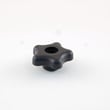
- Knob wing nut 720-0284 (handle and control hardware)
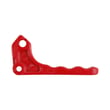
- Snowblower steering control trigger (red) 731-06113 (steering control)
- Snowblower wheel axle 711-04607A (wheel drive/axle area)
- Snowblower gearbox 918-04514 (auger drive system)
Last updated: February 2026