
Can a 7 1/4 blade cut a 2x4?
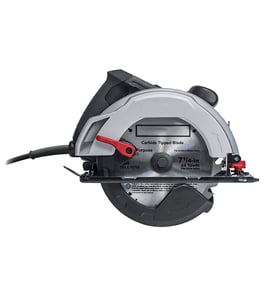
Yes. On a Craftsman circular saw like model 315108470, a 7-1/4 inch blade is the standard size used for framing cuts and it will cut a typical 2x4 in a single pass at 90 degrees when the blade depth is set correctly.
What to expect (cut capacity basics)
A “2x4” is not actually 2 inches by 4 inches; it measures about 1-1/2 in. x 3-1/2 in. A 7-1/4 inch circular saw is designed to handle that thickness easily in a straight crosscut.
Typical results with a 7-1/4 in. blade:
| Cut setup | Will it cut a 2x4 in one pass? | Notes |
|---|---|---|
| 90 degree cut (square) | Yes | Most common framing cut |
| 45 degree bevel | Usually yes | Depth is reduced at bevel angles |
| Wet/treated lumber | Yes | Feed slower to avoid bogging |
Quick setup checklist for clean, safe cuts
- Unplug the saw (or remove the battery if applicable) before adjusting depth or bevel.
- Set blade depth so the teeth extend about 1/4 in. to 3/8 in. below the board.
- Support the 2x4 so the offcut can drop freely (avoid pinching the blade).
- Use a sharp framing blade (dull teeth cause burning and kickback).
- Let the blade reach full speed before entering the cut.
When it might not cut in one pass
These situations can make it feel like the saw “won’t make it through,” even though the blade size is correct:
- The bevel is set to 45 degrees and the depth is not increased
- The blade is installed backward or is heavily worn
- The wood is pinching the kerf because it is poorly supported
- The saw is underpowered due to worn brushes, a failing switch, or damaged wiring
If you suspect an electrical issue, we use a meter-based approach to pinpoint it; see how to use a multimeter to test electrical parts video.
Why it matters
A 7-1/4 inch blade is the go-to size for 2x lumber because it balances depth of cut, stability, and availability of blade types (framing, finish, ripping). Correct depth and support reduce binding and kickback.
Last updated: February 2026
How do I know what size blade my circular saw is?
For your Craftsman circular saw model 315108470, the blade size is the blade’s diameter (for example, 7-1/4 in). The quickest way to confirm it is to read the blade’s etched markings; if they’re worn off, measure the blade across its widest point and confirm the arbor (center hole) size.
Fast ways to identify the blade size
- Check the blade etching: look for diameter (inches or mm), arbor size, and sometimes max RPM.
- Measure the diameter: remove the blade and measure straight across the circle (edge to edge through the center).
- Measure the arbor hole: measure the center hole diameter (common sizes are 5/8 in on many saws).
- Check the guard label: many saws list the max blade diameter on the upper or lower blade guard.
- Match the blade to the job: tooth count affects cut quality, not fit.
What measurements matter (and what they mean)
| What to check | What it tells you | Why it matters |
|---|---|---|
| Blade diameter | Overall blade size (ex: 7-1/4 in) | Must match the saw’s guard and depth capacity |
| Arbor size (center hole) | How the blade mounts | Must match the arbor or use the correct bushing |
| Kerf (blade thickness) | Width of the cut | Affects load on the motor and cut feel |
| Tooth count | Cut finish and speed | More teeth = smoother cuts; fewer teeth = faster ripping |
Step-by-step: measuring your blade safely
- Unplug the saw (or remove the battery if applicable).
- Lock the spindle (if your saw has a spindle lock) and remove the blade bolt.
- Measure diameter with a tape measure or calipers across the blade.
- Measure the arbor hole with calipers for best accuracy.
- Reinstall the blade and tighten the bolt securely.
Why it matters
Using the correct blade diameter and arbor size prevents blade wobble, binding, poor cut quality, and guard interference. It also helps you choose the right blade type (framing, plywood, finish) for safer, cleaner cuts.
For more DIY help with electrical testing tools often used in power tool troubleshooting, see how to use a multimeter to test electrical parts video.
Last updated: February 2026
Should I buy a 6 1/2 or 7 1/4 circular saw?
For most people, we recommend a 7-1/4 inch circular saw because it gives you the most cutting depth and the widest blade selection for common framing and DIY tasks. A 6-1/2 inch saw is the better pick when lower weight and easier handling matter most.
Quick comparison (what changes in real use)
| Feature | 6-1/2 inch saw | 7-1/4 inch saw |
|---|---|---|
| Typical best use | Sheet goods, lighter everyday cutting | Framing, thicker lumber, all-around versatility |
| Cutting depth | Shallower | Deeper (helps on thicker stock and bevel cuts) |
| Handling | Lighter, more nimble | Heavier, more stable feel |
| Blade availability | Good, but fewer options | Best overall availability |
How to choose in 60 seconds
- Choose 7-1/4 inch if you cut 2x lumber often, do bevel cuts, or want one saw to handle most jobs.
- Choose 6-1/2 inch if you work overhead, do lots of one-handed positioning, or want a lighter saw for quick cuts.
- If you plan to use a track/straightedge for plywood breakdown, either size works; weight and balance become the deciding factors.
- If you already own a miter saw, a 7-1/4 inch circular saw still adds value for ripping, breaking down sheets, and jobsite cuts.
- If you expect to buy specialty blades (fine-finish, ripping, demo), 7-1/4 inch usually gives you more choices.
Why it matters
Blade diameter directly affects maximum cut depth, especially when you tilt the shoe for bevel cuts. That extra depth is what keeps a saw from bogging down or leaving an uncut “hinge” when you are working with thicker lumber.
Fit for your Craftsman model
If you are shopping parts or accessories for a Craftsman circular saw like model 315108470, we recommend matching the blade size to the saw’s guard and shoe design, then selecting the right tooth count for your material (fewer teeth for fast framing cuts, more teeth for cleaner plywood cuts). For help confirming your exact model before ordering, use how to find your appliance model number (and what it means for parts).
Last updated: February 2026
What is a 140 tooth circular saw blade used for?
A 140-tooth circular saw blade is used for ultra-smooth, low tear-out cuts in thin sheet goods and trim materials. On a Craftsman circular saw like model 315108470, it is a good choice when cut quality matters more than speed, such as finish work.
Best uses for a 140-tooth blade
A 140T blade is a fine-finish blade; the high tooth count leaves a cleaner edge because each tooth removes less material.
- Crosscutting plywood and veneered panels for cabinets and shelving
- Cutting laminate, melamine, and other coated sheet goods (with the right blade type)
- Trimming thin hardwood or softwood where you want a near-ready-to-finish edge
- Cutting paneling and other thin, splinter-prone materials
- Finish carpentry cuts where you want minimal sanding afterward
When a 140-tooth blade is the wrong choice
High tooth count blades cut slower and can overheat or burn if you push too hard or use them on thick stock.
- Thick framing lumber (2x material) and fast rip cuts
- Wet, dirty, or nail-prone wood (teeth dull quickly)
- Heavy demolition work
Quick selection guide
| Blade type (typical) | Tooth count | Best for | Tradeoff |
|---|---|---|---|
| Framing / general purpose | 18 to 40 | Fast cuts in construction lumber | Rougher edge |
| Fine finish | 60 to 80 | Cleaner plywood and trim cuts | Slower than framing |
| Ultra-fine finish | 100 to 140 | Smoothest edges in thin sheet goods | Slowest; more heat risk |
Tips to get clean cuts with a 140T blade
- Use a steady, moderate feed rate; forcing the cut causes heat and burning.
- Support the workpiece fully to reduce vibration and chipping.
- Set blade depth so the teeth just clear the material (typically about 1/4 inch below).
- Use a straightedge guide for long cuts to prevent wandering.
- Keep the blade clean; pitch buildup increases heat and tear-out.
Why it matters
Using the right tooth count helps your Craftsman 315108470 circular saw cut cleaner, safer, and with less rework. A 140T blade is a finish tool; it shines on thin, delicate materials where splinter-free edges are the goal.
For general DIY safety and planning before repairs or adjustments, see are diy appliance repairs safe.
Last updated: February 2026
Why is my Craftsman circular saw not spinning?
If your Craftsman circular saw model 315108470 has power but the blade will not spin, the problem is usually blade/arbor binding, worn motor brushes, or a power delivery issue (cord, trigger switch, or internal wiring) that keeps the motor from starting under load.
Safety first
- Unplug the saw before any checks.
- Remove the blade for testing the arbor by hand.
- Wear cut-resistant gloves when handling the blade and guard.
- Let the motor cool if it stopped during a cut.
Fast mechanical checks (most common)
- Arbor seized or tight: With the blade off, the arbor should rotate smoothly by hand.
- Blade binding: Warped blade, wrong arbor size, or an overtightened arbor nut can lock the blade.
- Lower guard drag: A sticky guard can rub the blade and stall the saw.
- Pinched cut: If the kerf closed and pinched the blade, the saw may have overheated or tripped a protector.
Electrical checks that stop the motor from turning
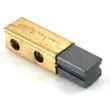
Worn motor brushes are a top cause on corded saws; when brushes are short or damaged, the motor may hum, spark heavily, or run only intermittently. A failing trigger switch, damaged power cord, or loose internal connection can also starve the motor.
Use a meter to confirm power and continuity: how to use a multimeter to test electrical parts video.
Symptom guide
| What you notice | Most likely cause | Next step |
|---|---|---|
| Motor hums, blade does not move | Binding or seized bearing | Remove blade; check arbor and guard |
| Runs if you tap the housing | Worn motor brushes | Inspect/replace brushes |
| Runs only when cord is moved | Cord/plug break | Inspect cord; test continuity |
| Dead, no sound | Switch or wiring | Test switch and wiring path |
Why it matters
A stalled blade overheats the motor and can damage the commutator, bearings, and wiring. Fixing binding or poor electrical contact prevents repeat stalls and premature motor failure.
Last updated: February 2026
