View engine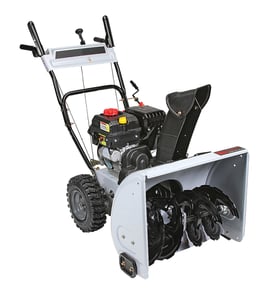



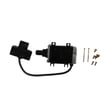

How do I know if my snowblower needs new spark plugs?
If your Craftsman snow thrower model 536885920 is hard to start, runs rough, or misfires, the spark plug is a top suspect. We confirm it by removing the plug and checking its condition, then doing a simple spark test; a weak or no spark means it is time to replace the plug.
Quick signs the spark plug is the problem
- Engine cranks but will not start, especially when cold
- Rough idle or surging after it starts
- Loss of power under load (bogs down in snow)
- Misfiring or intermittent running
- Plug tip is heavily carbon-fouled, oil-fouled, cracked, or the electrode looks burned
What the plug looks like tells you a lot
Use this as a fast read on what you are seeing after you remove the plug.
| What you see on the plug | What it usually means | What to do next |
|---|---|---|
| Dry, light tan/gray deposits | Normal combustion | Reinstall; look elsewhere if symptoms continue |
| Black, sooty deposits | Running rich, dirty air path, too much choke | Clean/replace plug; check choke use and fuel quality |
| Wet with fuel after start attempts | Fuel is reaching the cylinder but not igniting | Do a spark test; replace plug if spark is weak |
| Oily deposits | Oil getting into cylinder (overfill, tilt, wear) | Replace plug; correct oil level and operating angle |
| Cracked porcelain or damaged electrode | Plug failure | Replace plug immediately |
How we test for spark (basic method)
- Turn the engine off and let it cool.
- Remove the spark plug boot and take out the plug.
- Reconnect the boot to the plug.
- Hold the metal threads of the plug firmly against bare engine metal.
- Pull the starter rope and watch for a strong blue spark at the electrode.
If the spark is weak, inconsistent, or missing, replacing the spark plug is the fastest, lowest-cost next step.
Why it matters
A worn or fouled spark plug can mimic fuel or carburetor problems. Checking the plug first prevents unnecessary carburetor work and helps your Craftsman 536885920 start easier and run cleaner.
For a step-by-step walkthrough, use our DIY video: how to check a snowblower spark plug video.
Last updated: February 2026
What is the life expectancy of a snowblower?
Most gas snowblowers like the Craftsman 536885920 last 15 to 20 years with normal residential use and consistent maintenance. Heavy, wet snow, frequent use, and skipped upkeep shorten lifespan; regular oil changes, lubrication, and belt checks keep the auger and drive systems reliable longer.
Typical lifespan by use and care
- Light use + good maintenance: 18 to 20 years
- Average use + basic maintenance: 15 to 20 years
- Heavy use or poor maintenance: 10 to 15 years
- Commercial-style use: typically closer to 8 to 12 years
What maintenance extends life the most
These items prevent the most common wear and performance problems (hard starting, weak throwing, slipping drive):
- Change engine oil on schedule; old oil accelerates engine wear
- Check and replace worn belts before they slip or shred
- Keep the auger and drive linkages moving freely (lubricate shafts and pivots)
- Inspect the spark plug and ignition lead; replace if fouled or damaged
- Use fresh fuel and stabilize fuel before storage to reduce carburetor issues
A good maintenance routine is outlined in how to make your snowblower last longer.
Quick “repair or replace” checklist
Use this to decide whether it is worth investing in parts and time:
| If you see this | What it usually means | Typical next step |
|---|---|---|
| Engine starts but runs rough | Fuel/carburetor or ignition maintenance needed | Clean fuel system, check spark plug |
| Auger turns weakly or not at all | Belt, shear pin, or auger binding | Inspect belts and auger shaft |
| Drive slips or won’t pull | Drive belt, friction drive, or cable adjustment | Adjust drive control, inspect wear |
| Excess vibration/noise | Loose hardware or worn rotating parts | Tighten, inspect auger/impeller |
Why it matters
A snowblower’s “life expectancy” is mostly about wear items (belts, friction components, cables, fasteners) and storage habits. Replacing small parts early helps protect expensive assemblies and keeps your Craftsman 536885920 throwing snow at full performance.
If you need a replacement fastener during a repair, match it carefully to the original; the parts list for this model includes items like the screw 33329H.
Last updated: February 2026
Should I use 87 or 91 for snowblower?
For your Craftsman snow thrower model 536885920, we recommend 87 octane regular unleaded for normal use. Octane is less important than fuel quality; use fresh gas, avoid E15 or higher ethanol blends, and add fuel stabilizer if the snowblower will sit for more than a few weeks.
What to use (and what to avoid)
- Use 87 octane for everyday snow clearing.
- Use ethanol-free fuel when available (often sold as “non-oxygenated” or “recreational” fuel).
- Avoid E15/E20/E85; higher ethanol blends can cause hard starting and carburetor gumming.
- Use fresh fuel; don’t run last season’s gas.
- Add fuel stabilizer for storage or infrequent use.
87 vs 91: quick comparison
| Fuel choice | When it makes sense | What it helps with |
|---|---|---|
| 87 octane (regular) | Most conditions and temperatures | Reliable operation at the lowest cost |
| 91 octane (premium) | Only if it is ethanol-free or you prefer it | Can reduce ethanol-related issues (not “more power”) |
Best practices to prevent carburetor problems
Carburetor issues are the most common reason a snowblower won’t start after storage. These steps reduce varnish and corrosion:
- Buy fuel in small amounts you’ll use within 30 days.
- Add stabilizer the day you buy the gas.
- Before storage, run the engine a few minutes to pull treated fuel into the carburetor.
- If you use a battery electric starter, keep the starter hardware secure and in good condition (see screw 33329H if you’re servicing the starter assembly).
Why it matters
Using the right fuel helps your Craftsman 536885920 start easier, run smoother under load, and reduces downtime from clogged jets, stuck float needles, and fuel system deposits.
Last updated: February 2026
How to find model number on Craftsman snowblower?
Your Craftsman snow thrower model number is printed on the product identification label on the machine. On model 536885920, look for a sticker or metal tag on the rear frame between the wheels, on the frame near the engine, or on the auger housing; write down the full model number exactly as shown.
Where to look on the machine
Check these common label locations first (wipe off snow, salt, and grime so you can read it clearly):
- Rear of the frame between the wheels (most common)
- Frame rail near the engine or recoil starter area
- Side of the auger housing or near the chute base
- Under the handle panel or near the control linkage area
- Near the axle area on the main frame
Model number vs. engine numbers (important for parts)
Your snowblower has two different “identities,” and they are used for different parts lookups.
| What you’re identifying | What it’s used for | Where you’ll find it |
|---|---|---|
| Snowblower model number (example: 536885920) | Auger, drive, chute, wheels, belts, skid shoes, hardware | Product ID label on the snowblower frame/housing |
| Engine model/spec numbers | Carburetor, ignition, starter, fuel system, engine gaskets | Stamped/printed on the engine shroud, valve cover area, or blower housing |
Tips to read the label correctly
- Copy every digit exactly; one wrong number can pull the wrong parts diagram.
- If the label is scratched, use a flashlight at an angle to make the imprint easier to see.
- Take a clear photo of the tag before ordering parts.
- If you’re shopping for engine starting components, match the engine numbers as well.
Why it matters
The model number ties your Craftsman snowblower to the correct parts diagrams and compatible replacement parts. That prevents ordering a part that looks similar but does not fit your auger housing, drive system, or engine setup.
If you’re working on the electric start system, the parts list for this model includes items such as the screw 33329H.
Last updated: February 2026
How to tell year of Craftsman snowblower by serial number?
To tell the build year for your Craftsman snow thrower model 536885920, read the serial number on the snowblower ID tag and decode the date code. On many Craftsman tags, the 5th character is the year within a decade; on some MTD-style tags, a month letter and following digits indicate the date.
Find the correct serial number
Use the snowblower’s model and serial tag (not the engine tag). Common locations include the frame near the engine, behind the auger housing, or on the rear frame.
- Write the serial number exactly (letters and numbers)
- Clean the tag gently so characters are readable
- Confirm you are reading the snowblower tag, not the engine code label
- Note whether the serial starts with letters, numbers, or a mix
Decode the two common serial formats
1) Common Craftsman date-code style
Many Craftsman snowblowers use character positions to represent the date.
- 5th character: year within the decade (0 to 9)
- Earlier characters: product/series and month/day codes (format varies)
2) MTD-style date code (seen on some Craftsman units)
Some tags use a month letter plus digits.
- Month letter: often A = Jan through L = Dec
- Next digits: typically day and year within the decade
Quick reference
| Serial number clue | What it indicates | What to do |
|---|---|---|
| 5th character is a single digit | Year ending in that digit | Choose the decade based on the machine’s overall age and features |
| Month letter A to L | Month of manufacture | Read the following digits for day and year |
| Only an engine code is visible | Engine build date | Locate the snowblower frame tag for the unit’s year |
Why it matters
The build year helps us match the correct parts diagram revisions for wear items like belts, skid shoes, and hardware.
Parts tip
If you’re replacing starter-related hardware, one example fastener listed for this model is the screw 33329H.
Last updated: February 2026