Installation guide
 Owner’s manual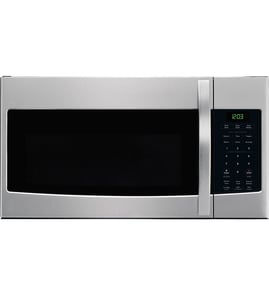



What is the average lifespan of a Frigidaire microwave?
Most Frigidaire microwaves, including the FGMV174KFA microwave/hood combo, typically last 8 to 10 years with normal household use. Regular cleaning, proper ventilation, and avoiding door slams help you reach the high end of that range.
What affects microwave lifespan most
- Daily run time: frequent reheating and long cook cycles add wear to the magnetron and cooling system.
- Ventilation and grease buildup: clogged filters trap heat and strain internal components.
- Door use and alignment: leaning on the door or slamming it can damage safety interlocks.
- Power quality: repeated breaker trips or low voltage can stress the control board.
- Cleaning habits: spills left inside can cause odors, corrosion, and arcing.
Maintenance that extends life (FGMV174KFA)
Follow the cleaning and filter guidance in the FGMV174KFA owner’s manual. For over-the-range units, filter care is one of the biggest lifespan drivers.
| Item | Typical interval | Why it matters |
|---|---|---|
| Grease filter cleaning | Monthly (or more with heavy frying) | Keeps airflow up and heat down |
| Charcoal filter replacement (recirculating setups) | Every 6 to 12 months | Reduces odors and improves vent performance |
| Interior wipe-down | Weekly | Prevents baked-on residue and arcing risk |
| Door and latch area wipe | Monthly | Helps the door close fully and protects interlocks |
Signs your microwave is nearing end of life
- Heats slowly or inconsistently (same cook time, different results)
- Loud humming, buzzing, or a burning smell during heating
- Display resets, keypad acts erratically, or random shutoffs
- Door does not close crisply or you have to lift/push to latch
Parts commonly involved when symptoms show up
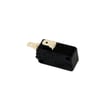
If the door is not closing or the unit will not run, the door safety circuit is a common place to start:
Why it matters
A microwave that is running hot due to restricted airflow or a door that is not closing correctly can shorten component life quickly. Keeping filters clean and the door mechanism in good shape protects the magnetron, control board, and thermal cut-offs.
Last updated: February 2026
What is the capacity of the FGMV174KFA?
The Frigidaire FGMV174KFA microwave/hood combo has a 1.7 cu. ft. microwave oven capacity. You can also use the cavity dimensions in the FGMV174KFA owner's manual to confirm fit for taller dishes, since usable space is always a bit less than the calculated capacity.
Quick specs for FGMV174KFA
- Microwave oven capacity: 1.7 cu. ft.
- Cavity dimensions: 21 in. W x 8 7/8 in. H x 14 7/16 in. D
- Outside dimensions (including handle): 29 15/16 in. W x 16 3/8 in. H x 17 15/16 in. D
- Output power: 1000 W
Capacity vs. usable space (what to expect)
Internal capacity is calculated from maximum interior width, height, and depth. In real use, the turntable, rack (if equipped), and rounded corners reduce what you can comfortably fit.
| Measurement type | What it tells you | Best for |
|---|---|---|
| Capacity (cu. ft.) | Overall interior volume | Comparing microwave sizes |
| Cavity dimensions | Interior width, height, depth | Checking if a dish will fit |
| Outside dimensions | Overall size of the unit | Cabinet and installation planning |
Why it matters
Knowing the 1.7 cu. ft. capacity helps you compare over-the-range microwaves, but the cavity height (8 7/8 in.) is usually the limiting factor for bowls, covered casseroles, and taller microwave-safe containers.
Last updated: February 2026
What is the most common cause of microwave failure?
For the Frigidaire FGMV174KFA microwave/hood combo, the most common “microwave failed” complaints come down to door safety switching problems (the oven will not run) or high-voltage heating problems (the oven runs but does not heat). We use the troubleshooting steps in the FGMV174KFA owner's manual to narrow it down safely.
Quick symptom-to-cause guide
- No power at all: house breaker, outlet, power cord, internal fuse or control issue
- Runs but does not heat: high-voltage components (magnetron circuit), overheating protection, or related wiring
- Starts then stops when door moves: door latch or interlock/monitor switch issue
- Arcing/sparking: metal in cavity, food splatter, or dirty waveguide cover (manual notes residue can cause arcing)
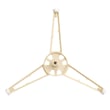
- Turntable not turning: tray support or turntable motor
Parts that commonly fail on this model
These are frequent wear items we see tied to “won’t start” or “stops mid-cycle” symptoms:
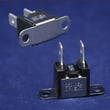
- Microwave door interlock switch 5304493153 (primary safety switch)
- Microwave door monitor switch 5304467695 (door monitoring safety circuit)
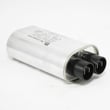
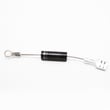
- Microwave thermal cut-off 5304440023 (opens if overheating occurs)
- Control board 5304481625 (keypad/control logic issues)
| What you observe | Most likely area | What to check first |
|---|---|---|
| Display works, light/fan may run, but food stays cold | Heating circuit | Confirm correct settings; then follow “no heat” checks in the manual |
| Nothing happens when you press Start | Door safety circuit | Door closes firmly; listen for latch click; check interlock/monitor switches |
| Sparks or burning smell | Cavity/waveguide cover | Stop use; clean splatter; remove any metal/foil |
Safe checks we recommend before replacing parts
Microwaves contain high voltage even when unplugged; we keep DIY steps to basic, low-risk checks.
- Verify the outlet works (test with a lamp) and reset the breaker.
- Make sure the door closes fully and the latch area is not obstructed.
- Never run the microwave empty; the manual notes it should always have food inside to absorb energy.
- Clean the interior and keep the waveguide cover clean (food residue can cause arcing).
- Use the “Service Call Check” section in the manual for model-specific troubleshooting.
Why it matters
Door switches and latch parts are designed to prevent operation with the door open; when they wear or misalign, the microwave may appear “dead” even though the control is fine. Heating failures are different: the unit often sounds normal but will not warm food, pointing to the high-voltage heating system.
Last updated: February 2026