Installation guide
 Owner’s manual
 Error Codes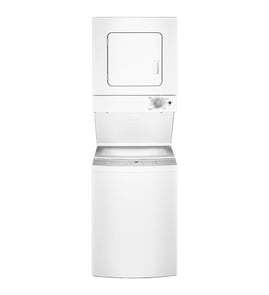





How to do laundry on a Speed Queen?
To do laundry on your Speed Queen ATGE9AGP113TW01 laundry center, sort clothes, add the right detergent amount, load the washer loosely, choose your cycle and water temperature, then press Start. When the cycle finishes, unload promptly and move items to the dryer.
Step-by-step: washing
- Sort by color, fabric type, and soil level.
- Check pockets, close zippers, and treat stains.
- Add detergent (HE detergent if your detergent label calls for it).
- Load the washer loosely; do not pack items down.
- Close the washer door.
- Select a cycle, water temperature, and any options.
- Press Start; wait for the cycle to complete.
Step-by-step: drying (stacked dryer)
- Clean the lint screen before each load.
- Load similar fabrics together for even drying.
- Choose a heat setting appropriate for the fabric.
- Start the dryer; if you stop it mid-cycle, restart using Start/Pause.
Quick settings guide
| Load type | Washer setting to start with | Dryer setting to start with |
|---|---|---|
| Towels/jeans | Normal or Heavy, warm | High heat |
| Everyday mixed | Normal, warm or cool | Medium heat |
| Delicates | Delicate, cool | Low heat or air |
If the unit shakes or “walks” during spin
Vibration is usually an installation and leveling issue. We recommend confirming the unit is on a smooth, non-slip surface (not carpet) and running a small test load to verify stability; use the leveling legs to correct movement. Details and the installer checklist are in the installation guide.
- Avoid installing on carpeting or soft/weak flooring.
- Make sure the floor can handle the unit’s dynamic load requirements.
- Run a test load and verify the washer is stable at high-Speed spin.
- Re-level the unit if you see rocking or shifting.
Why it matters
Correct loading, cycle selection, and a stable, level installation help prevent out-of-balance spin, reduce wear on drive components, and improve cleaning and drying performance over time.
Last updated: February 2026
Where to put laundry detergent in a Speed Queen?
For the Speed Queen ATGE9AGP113TW01 stacked laundry center, put laundry detergent in the washer’s main wash detergent compartment (the largest cup/section in the dispenser). Add fabric softener and bleach only to their labeled compartments so they dispense at the correct time; see the ATGE9AGP113TW01 owner's manual.
Quick dispenser guide
- Detergent: main wash compartment (largest section)
- Fabric softener: softener compartment (use the max fill line)
- Bleach: bleach compartment only (never mix with detergent)
- Pods: place in the washer drum before clothes (do not put pods in the dispenser)
- Powder detergent: use the main wash compartment unless your manual specifies otherwise
How much detergent should we use?
Using too much detergent can cause oversudsing, poor rinsing, and odors. Start with the detergent label’s “normal load” amount, then adjust based on load size and soil level.
| Load type | Detergent starting point | What to watch for |
|---|---|---|
| Small/light soil | Less than label “normal” | Suds left after rinse means reduce |
| Normal | Label “normal” | Clothes should rinse clean |
| Large/heavy soil | Slightly more than “normal” | If residue remains, reduce and re-rinse |
If detergent is not dispensing correctly
- Confirm the washer is level and stable (excess vibration can affect dispensing)
- Make sure the dispenser drawer is fully closed before starting
- Clean the dispenser cups and channels with warm water to remove buildup
- Use HE detergent if your detergent label calls for it
- If you suspect a control or sensing issue, follow the checks in the installation guide and your manual
Why it matters
Putting detergent in the correct compartment helps the washer release it during the main wash, improves cleaning performance, and prevents detergent from flushing out too early.
Last updated: February 2026
What are the common problems with Speed Queen washers?
Common problems we see with Speed Queen laundry centers like model ATGE9AGP113TW01 include vibration from leveling or floor issues, draining or spinning problems, and intermittent electrical or control symptoms. Many “washer problems” are installation-related, so confirming the unit is stable and on a proper surface is a key first step (see the installation guide).
Most common issues (and what they look like)
- Excess vibration or walking: shaking during high-Speed spin, cabinet movement, or loud thumping.
- Drain or spin complaints: slow drain, stopping mid-cycle, or not reaching full spin.
- Door/lid related symptoms: won’t start, stops when bumped, or won’t lock/close correctly.
- Electrical oddities: dead display, intermittent power, or tripping a breaker.
- Poor results: detergent residue, unbalanced loads, or inconsistent spin-out.
Quick checks we recommend first
- Verify the unit is on a smooth, non-slip surface; avoid carpet or soft tile.
- Confirm the floor can handle vibration; weak floors can mimic a “service needed” problem.
- Run a test load and watch the high-Speed spin for stability.
- Plug the washer directly into a properly grounded outlet; do not use an extension cord.
- If the symptom is dryer-related noise or no-tumble, inspect common wear items like the commercial dryer drum belt D511255P.
Installation and power requirements at a glance
| Area | What “good” looks like | What causes trouble |
|---|---|---|
| Floor/surface | Smooth, solid, non-slip | Carpet, soft tile, uneven tile |
| Leveling | Stable at high-Speed spin | Rocking, walking, banging |
| Electrical | Dedicated, grounded outlet | Shared circuit, adapters/cords |
Why it matters
A stacked laundry center transfers more vibration into the floor than many standalone washers. If the floor, surface, or leveling is off, you can get shaking, noise, and out-of-balance behavior that looks like a mechanical failure even when the washer is fine.
For parts and diagrams specific to ATGE9AGP113TW01, order from the parts list for this model or search by model number on Sears PartsDirect.
Last updated: February 2026
Do Speed Queen washers have filters that need to be cleaned?
Yes. On the Speed Queen ATGE9AGP113TW01 laundry center, the main washer “filters” you maintain are the inlet (fill) hose filter screens that protect the water mixing valve from debris; they should be checked and cleaned when you notice slow filling or after plumbing work (and as routine maintenance). See the installation guide for the screen locations and correct hose hookup.
What filters does this model use?
For this model, the installation instructions call out filter screens in the fill hose couplings.
- Filter screens sit in the hose couplings and face outward
- They help prevent foreign material from clogging the water mixing valve
- Debris in the screens can cause long fill times and nuisance fill errors
- Flushing the water lines for about two minutes during setup helps keep screens from clogging
How to clean the inlet hose filter screens
- Turn off both water faucets.
- Relieve pressure by briefly starting a fill, then turn the washer off.
- Remove the hoses from the faucets (have a towel ready).
- Pull the small screens out of the hose couplings, rinse, and gently brush off sediment.
- Reinstall screens and washers, reconnect hoses, then turn water back on and check for leaks.
When to clean them (quick guide)
| Symptom | Most likely screen condition | What to do |
|---|---|---|
| Washer fills very slowly | Screens partially clogged | Clean both screens |
| Fill error or intermittent fill | Screens clogged or low water pressure | Clean screens; confirm 20 to 120 PSI |
| After new plumbing or renovation | Sediment in lines | Flush lines; clean screens |
Why it matters
Clean inlet screens protect the mixing valve and help your washer fill at the correct rate. That prevents extended cycle times, poor detergent flushing, and avoidable fill-related errors.
Ordering the right parts and supplies
If you need replacement hoses or related installation items for the ATGE9AGP113TW01, use the parts list for this model, or search by model number on Sears PartsDirect.
Last updated: February 2026
What is the life expectancy of a Speed Queen washing machine?
Speed Queen washers typically last about 25 years in normal home use. For your Speed Queen ATGE9AGP113TW01 stacked laundry center, correct installation and routine care (leveling, stable flooring, proper loads) are the biggest factors that help you reach that full lifespan; see the installation guide.
Typical lifespan (what to expect)
Most Speed Queen washers are built with commercial-style components and are designed for long service life.
- Typical life expectancy: ~25 years
- Common real-world range: 15 to 30+ years (depends on use, maintenance, and installation)
- Biggest lifespan killers: chronic vibration, overloading, poor venting on the dryer side, and running on an improper electrical circuit
What matters most for ATGE9AGP113TW01 longevity
The installation instructions for stacked washer/dryers emphasize stability and proper setup because vibration and movement accelerate wear on bearings, suspension components, and fasteners.
- Install on a smooth, non-slip surface (avoid carpeting and weakly supported floors)
- Make sure the floor meets minimum load requirements
- Level the unit and verify stability with a test load and high-Speed spin
- Use a dedicated electrical circuit as recommended
- Keep the dryer venting clear so heat and moisture do not stress the laundry center
Quick checklist: habits that extend washer life
- Use the right cycle and water level for the load size
- Avoid consistently washing heavy, unbalanced items (one rug, one blanket) by themselves
- Do not overload; leave room for items to tumble and rinse
- Periodically inspect hoses and connections for seepage
- Address new noises or increased vibration early (before it becomes a bearing or tub issue)
Lifespan drivers at a glance
| Factor | Helps lifespan when you do this | What happens if you do not |
|---|---|---|
| Leveling and stability | Unit stays steady at high-Speed spin | Vibration increases wear and loosens hardware |
| Load size and balance | Smooth spin, less strain on drive system | Premature wear on bearings and suspension |
| Electrical setup | Consistent motor/control performance | Nuisance shutdowns, overheating, component stress |
| Venting (dryer side) | Lower heat and moisture stress | Higher heat buildup and longer run times |
Why it matters
A long-lasting washer is not just about the brand; it is about keeping the tub, bearings, and drive system from being hammered by vibration and overload. A stable, correctly installed ATGE9AGP113TW01 runs smoother, quieter, and lasts longer.
Last updated: February 2026