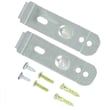
Installation guide
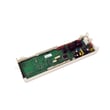


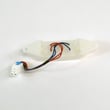
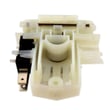
How to force reset Samsung dishwasher?
To force reset your Samsung DW80K5050UG dishwasher, we recommend a power reset: turn the circuit breaker off for 5 minutes, then turn it back on and start a new cycle. This clears many control glitches and temporary error conditions.
Fast reset options (from least to most disruptive)
- Cancel/Drain reset: Press and hold Start/Cancel (or Start/Reset) for about 3 seconds to cancel the cycle and drain.
- Power reset (best “force reset”): Switch the breaker OFF for 5 minutes, then ON.
- After reset: Select a normal cycle and run it to confirm the dishwasher fills, washes, and drains.
For installation-related power and startup checks that apply to this model, use the installation guide.
Step-by-step: breaker power reset
- Turn the dishwasher OFF.
- Turn the dishwasher circuit breaker OFF.
- Wait 5 minutes (this lets the control fully discharge).
- Turn the breaker ON.
- Start a cycle and listen for fill (water entering) within the first couple of minutes.
If it still will not run after a reset
These checks solve the most common “reset didn’t help” situations:
- Confirm the door is fully latched; a door that is not closed can stop the cycle.
- Check for standing water in the tub; a drain problem can prevent normal operation.
- Look for a leak condition (water in the base pan) that can trigger protection mode.
- If the unit powers on but acts “stuck,” check for an error code and follow the steps in Samsung dishwasher error codes.
Parts that commonly relate to no-start, leak, or drain symptoms
| Symptom after reset | What to inspect | Example part for DW80K5050UG |
|---|---|---|
| Won’t start or stops when door moves | Door latch/switch circuit | Dishwasher door switch DD81-02132A |
| Runs briefly then stops, leak-related behavior | Base leak detection | Dishwasher leak detector sensor DD94-01062A |
| Won’t drain or drains slowly | Drain path and hose routing | Dishwasher drain hose DD97-00403A |
Why it matters
A forced reset clears temporary control faults, but it does not fix underlying issues like a door switch problem, a drain restriction, or a leak detector trip. Running a test cycle right after the reset helps confirm whether the problem is electrical, draining, or leak-related.
Last updated: February 2026
Why is water sitting in the bottom of my Samsung dishwasher?
A small amount of water in the sump area is normal on the Samsung DW80K5050UG because it keeps seals from drying out. If you have standing water covering the bottom or the dishwasher will not fully drain, the most common causes are a kinked drain hose, no high loop/air gap, or a drain restriction.
Quick checks that fix most “water in the bottom” complaints
- Cancel the cycle and run a drain function; listen for the drain pump running.
- Check the drain hose under the sink for kinks, crushing, or sharp bends.
- Make sure the drain hose is routed with a high loop up under the countertop (or connected to an air gap).
- Confirm the hose is not pushed too far into the disposer or drain pipe (it can block flow).
- If you recently installed the unit, re-check routing and connections in the installation guide.
Why the drain hose routing matters (high loop or air gap)
If the drain hose does not rise above the sink drain connection, dirty water can backflow into the dishwasher after it pumps out. That leaves water sitting in the bottom even when the drain pump is working.
| What you see | Likely cause | What to do |
|---|---|---|
| Water returns after draining | No high loop or no air gap | Re-route hose with a high loop under the counter |
| Water never drains out | Clog or pump issue | Check hose and sink/disposer inlet for blockage |
| Intermittent draining | Hose kinked or pinched during install | Straighten hose; secure it so it cannot collapse |
When to suspect a part problem
If the hose routing is correct and the sink drain path is clear, a drain-related component may be involved.
Common parts tied to draining and leaks on this model include:
- Dishwasher drain hose DD97-00403A (external drain path)
- Dishwasher inner drain hose DD81-01502A (internal drain path)
- Dishwasher leak detector sensor DD94-01062A (can trigger protective draining behavior)
Why it matters
Standing water can cause odors, redeposit soil on dishes, and in some cases trigger leak protection behavior. Correct drain hose routing and a clear drain path are the fastest ways to restore normal draining.
Last updated: February 2026
What is the most common problem with Samsung dishwashers?
The most common issue we see with Samsung dishwashers like model DW80K5050UG is the dishwasher not starting or stopping mid-cycle due to control/door-latch related problems, or water not draining because of a restriction in the drain path. Use the DW80K5050UG installation guide checks to confirm power and water are set up correctly.
Quick checks we recommend first
- Confirm the door closes fully and latches; a misaligned door can prevent a cycle from starting.
- Verify the circuit breaker is on and the dishwasher powers up.
- Make sure the water supply valve is open.
- Check for leaks under the unit; many models will stop if the base detects water.
- If it will not drain, inspect the drain hose routing for kinks or a blocked high loop/air gap.
Common symptoms and the parts that often fix them
| Symptom | What it usually points to | Parts from this model page that commonly apply |
|---|---|---|
| Won’t start, acts dead, or stops when the door moves | Door switch or door switch mounting/cover issue | Dishwasher door switch DD81-02132A, dishwasher door switch cover DD97-00256A |
| Stops and shows leak-related behavior, water in base | Leak detection triggered by moisture in the base pan | Dishwasher leak detector sensor DD94-01062A |
| Not draining, water left in tub | Drain restriction or failing drain path components | Dishwasher drain hose DD97-00403A, dishwasher inner drain hose DD81-01502A |
| Poor cleaning, unusual pump noise | Circulation/sump area problem | Samsung dishwasher sump and motor assembly DD82-01353A |
Why it matters
A dishwasher that will not start, will not drain, or shuts down for a leak condition can leave standing water in the tub and can also shorten the life of the pump and motor. Catching the root cause early helps prevent repeat failures.
Installation-related items that cause “problem” symptoms
During install or after moving the dishwasher, we often see issues caused by setup details:
- Hot water temperature outside the recommended range (best results at 120°F to 149°F).
- Loose water supply or drain connections that drip during operation.
- The tub being distorted by mounting screws (can affect door sealing and operation).
For step-by-step setup verification and final leak checks, follow the DW80K5050UG installation guide. For code-based troubleshooting, use Samsung dishwasher error codes.
Last updated: February 2026
Is the DW80K5050UG a good dishwasher?
The Samsung DW80K5050UG is a solid mid-range dishwasher when it’s installed correctly and maintained; it’s built to standard 24-inch cabinetry and typical household power and water specs. Overall “good” depends on your priorities: quiet operation and features versus long-term reliability and cycle time.
What we can say for this model (DW80K5050UG)
From the installation guide, this dishwasher is designed for a standard opening and typical utilities, which is a good sign for fit and everyday usability.
- Standard fit: enclosure opening at least 24 in. wide, 24 in. deep, and 34 1/8 in. high
- Typical electrical: 120 V, 60 Hz AC; 15-amp circuit
- Typical water requirements: 20 to 120 psi; nominal 120°F inlet water temperature
- Standard size class: 23 7/8 in. wide x 24 1/2 in. deep x 33 9/10 in. high (DW80K5050 series)
Pros and cons most owners care about
These are the practical tradeoffs we see customers weigh for Samsung dishwashers in this class.
- Pros: quiet operation, modern top-control styling, flexible loading, strong targeted wash features (when used)
- Cons: longer cycle times on heavy cycles, performance can drop if filters and spray paths are dirty, repairs can be more expensive if a major assembly fails
Quick “good for me?” checklist
Use this to decide if DW80K5050UG fits your household.
- You want a standard 24-inch built-in dishwasher
- You run full loads (dishwashers perform best when properly loaded)
- You are willing to clean the filter area and check spray arms regularly
- You prefer strong cleaning over the shortest cycle time
- You want a model with readily available replacement parts
Common repairs that affect satisfaction
If cleaning, draining, or leak symptoms show up, these parts are often involved:
| Symptom | What to check first | Example part on this model |
|---|---|---|
| Not draining or slow drain | Kinked/clogged drain path | Dishwasher drain hose DD97-00403A |
| Water in base, leak error | Moisture in base pan | Dishwasher leak detector sensor DD94-01062A |
| Poor wash, noisy circulation | Pumping and wash circulation | Samsung dishwasher sump and motor assembly DD82-01353A |
Why it matters
A dishwasher can seem “bad” when the real issue is installation (leveling, drain routing, power) or maintenance (debris in sump, blocked spray). Starting with correct setup from the installation guide prevents many performance complaints.
You can order replacement parts for your Samsung DW80K5050UG from the parts list for this model, or search by model number on Sears PartsDirect.
Last updated: February 2026
What are the commonly replaced parts in a dishwasher?
In a Samsung DW80K5050UG dishwasher, the most commonly replaced parts are the drain and wash components (hoses, pump parts, sump and motor), door safety parts (door switch and seals), and leak protection sensors. These parts wear from heat, detergent, hard water, and normal use, and they directly affect cleaning, draining, and leak prevention.
Commonly replaced parts (and what they affect)
- Drain system: drain hose, inner drain hose, pump impeller (slow drain, standing water)
- Wash system: sump and motor assembly, circulation pump motor (poor cleaning, unusual noise)
- Door safety and operation: door switch, door cable (won’t start, stops mid-cycle)
- Leak prevention: leak detector sensor, motor shaft seal, sump gasket (water in base, leaks)
- Drying and venting: vent seal (moisture left inside, steam leaks)
- Convenience and racks: tine row clips, upper dishrack assembly (rack damage, broken tines)
Parts on this model that customers replace often
Here are several high-frequency replacements we see for this Samsung dishwasher:
| Symptom | Likely part type | Example part on this model |
|---|---|---|
| Not draining or leaking at the sink connection | Drain hose | Dishwasher drain hose DD97-00403A |
| Water in the base, leak error, or intermittent shutoff | Leak detection | Dishwasher leak detector sensor DD94-01062A |
| Won’t start or stops when the door moves | Door safety | Dishwasher door switch DD81-02132A |
| Poor wash performance or loud grinding | Wash motor/sump | Samsung dishwasher sump and motor assembly DD82-01353A |
| Detergent door not dispensing | Dispenser | Dishwasher detergent dispenser assembly DD59-01002A |
Why it matters
Replacing the right part restores core functions: water circulation for cleaning, proper draining, and safe operation (the door switch must prove the door is closed). Catching leaks early also helps prevent damage to the base area and wiring.
Quick checks before you order a part
- Clean the filter area and check for debris around the sump
- Inspect the drain hose routing for kinks and confirm a proper high loop/air gap setup
- Confirm the dishwasher is connected to hot water (120 °F to 149 °F) for best results
- Look for moisture in the base pan if you suspect a leak detector issue
- Use the parts list for DW80K5050UG on this page, or search by model at Sears PartsDirect
For installation-related items and connection requirements (grounding, water line recommendations, and placement), follow the installation guide.
Last updated: February 2026