Owner’s manual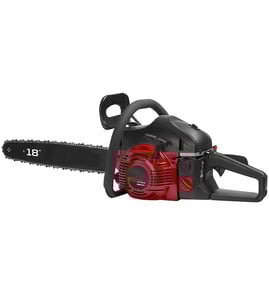






Where is the model number on a chainsaw?
On most chainsaws, the model number is printed on a sticker or stamped on a metal plate on the saw body. For Craftsman model 316350220, the exact label location and identification details are shown in the owner's manual.
Common places to check on a gas chainsaw
Look for a paper label or metal ID plate in these spots:
- On the starter housing (recoil starter cover)
- Near the rear handle or trigger area
- Around the fuel tank area (near the fuel cap)
- On the underside of the saw body (bottom of the crankcase)
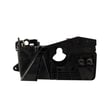
- Near the bar mounting area (clutch cover side)
What you should write down
To make sure you get the right parts and service information, record:
- Model number (for this saw: 316350220)
- Any serial number shown on the same tag
- The bar length listed for the model (this model is commonly paired with a 20-inch bar)
Quick ID check (helps avoid ordering the wrong parts)
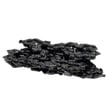
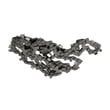
If you are matching parts like a guide bar or chain, confirm the bar length and chain drive link count.
| Item you are matching | What to verify on the saw | Why it matters |
|---|---|---|
| Model number tag | Exact model digits | Ensures diagrams and parts lists match |
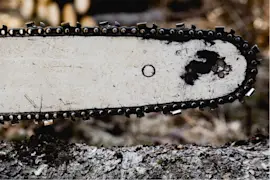
| Guide bar | Bar length marking | Determines correct bar and chain size |
| Saw chain | Drive link count and pitch/gauge markings | Prevents fit and safety issues |
Why it matters
Craftsman chainsaws often share similar housings across model families, but parts like the saw chain, guide bar, and clutch cover components can vary by model and bar length. Using the correct model number keeps your parts selection accurate and helps the saw run safely.
Last updated: February 2026
Can I scrap a chainsaw?
Yes. We recommend scrapping a Craftsman 316350220 gas chainsaw by separating recyclable metal from any fuel, oil, and plastic components, then taking the materials to the appropriate recycling or hazardous-waste drop-off. Follow the safety and handling steps in the owner's manual before disassembly.
Safe steps before you scrap it
- Shut off the engine and let the saw cool completely.
- Drain the fuel mix and bar oil into approved containers (do not pour into trash, drains, or soil).
- Remove the bar and chain so the cutting components are secured for transport.
- Wipe off heavy oil and sawdust so recyclers can handle the metal safely.
- Keep the unit away from sparks or open flames while you work.
What you can usually recycle vs. what needs special handling
| Item | Typical handling | Notes |
|---|---|---|
| Guide bar and chain | Scrap metal recycling | Transport covered or boxed to prevent cuts. |
| Engine and metal chassis | Scrap metal recycling | Many recyclers accept mixed metal assemblies. |
| Fuel and oil | Household hazardous waste | Treat as hazardous; keep in sealed containers. |
| Plastic covers, handles | Check local rules | Some programs accept rigid plastics; many do not. |
| Air filter, rags, debris | Trash (often) | Dispose per local guidelines. |
Why it matters
Gas chainsaws can hold flammable fuel vapors and oily residue. Draining fluids, letting the saw cool, and securing the chain and bar reduces fire risk and prevents injuries during handling and transport.
If you are scrapping it because it is unsafe or damaged
Do not operate a damaged or improperly assembled chainsaw. If you are unsure what is safe to remove or how to secure the cutting components, use the owner's manual for model-specific safety guidance.
Last updated: February 2026
How do I find out what Craftsman chainsaw I have?
To find out which Craftsman chainsaw you have, locate the model number tag on the saw and match it exactly when you look up parts or the manual. For this model page, the chainsaw model number is 316350220 (55cc 2-cycle, 20-inch blade). See the 316350220 owner's manual for label locations and model identification details.
Where to look for the model number
Check these common spots on a Craftsman gas chainsaw housing:
- Side of the engine or motor casing
- Rear handle area or back of the unit
- Bottom of the saw body near the crankcase
- Near the starter cover or recoil housing
- On a decal or stamped plate close to the fuel tank
How to record the model number correctly
Small differences matter when ordering parts like a guide bar or chain.
- Copy every digit exactly (for example, 316350220)
- Watch for dots or separators on the label (some tags show 316.350220)
- If the tag is worn, clean the area and use a flashlight to read it
- Take a photo before the label fades further
Model number vs. bar and chain size (quick check)
The operator’s manual lists two closely related models with different bar lengths:
| Model number | Engine type | Listed bar length |
|---|---|---|
| 316350220 | 55cc 2-cycle | 20-inch |
| 316350851 | 55cc 2-cycle | 18-inch |
Why it matters
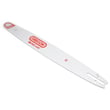
Using the exact model number helps you get the right-fit cutting components and maintenance parts. For example, this model page lists a 20-inch guide bar option like the bar, 20-in 200PXBK095 and compatible chain options such as the chain-20" 95TXL078G.
Last updated: February 2026
What company makes Craftsman chainsaws?
Craftsman chainsaws are sold under the Craftsman brand name; the brand is owned by Stanley Black & Decker. Your Craftsman 316350220 gas chainsaw is a Craftsman-branded saw, and the exact manufacturer can vary by model and production run, so we recommend using the parts list and Craftsman 316350220 operator's manual for the correct specifications and service details.
What this means for parts and repairs
For repairs, the most important thing is matching parts to your exact model number (316350220) and the correct bar and chain size.
- Use the model number to match diagrams and part listings
- Confirm guide bar length before ordering a chain (this model is shown as a 20-inch blade in the manual)
- Replace wear items on schedule (chain, bar, filters, spark plug)
- Use the correct bar and chain oil to protect the bar and chain
- Follow the starting, fueling, and maintenance steps in the manual
Common parts you may need for this model
These are examples of model-matched parts shown for Craftsman 316350220.
| Part | What it affects | When to replace |
|---|---|---|
| Chain 95TXL078G | Cutting performance | Dull cutters, stretching, damaged links |
| Bar, 20-in 200PXBK095 | Straight cutting, chain tracking | Bent rails, heavy wear, chain won’t stay aligned |
Why it matters
Craftsman is a brand, not a single factory. Using the model-specific parts list and manual helps you avoid ordering the wrong chain pitch/gauge or bar length, and it keeps the oiler, clutch, and cutting system working safely and efficiently.
Last updated: February 2026
Should I use 40 1 or 50 1 fuel for a chainsaw?
For the Craftsman 316350220 gas chainsaw, use a 40:1 fuel mix: 40 parts unleaded gasoline to 1 part 2-cycle oil. Our owner's manual specifies 40:1 and even gives a mixing table; using 50:1 in a saw designed for 40:1 reduces lubrication and can damage the engine.
Correct fuel mix for Craftsman 316350220
Mix fuel in a separate, approved container, not in the saw’s tank.
- Use fresh unleaded gasoline
- Add 2-cycle oil to make a 40:1 ratio
- Mix in a separate fuel can, then shake to blend
- Shake the can again before each refuel
- If you use alcohol-blended fuel, use fresh mix and avoid long storage
Quick mixing table (40:1)
| Gasoline amount | 2-cycle oil amount |
|---|---|
| 1 US gallon (3.8 L) | 3.2 fl oz (95 ml) |
| 1 liter | 25 ml |
What if I accidentally use the wrong ratio?
Here is what typically happens in 2-cycle chainsaw engines.
| Mix used | What it means | Common result |
|---|---|---|
| 50:1 in a 40:1 saw | Too little oil | Overheating, accelerated wear, possible scoring |
| 40:1 in a 50:1 saw | More oil than required | More smoke, carbon buildup, possible plug fouling |
Fueling safety basics
The manual also calls out safe fueling practices.
- Fuel outdoors, away from sparks or flames
- Wipe up spills before starting
- Let the saw cool before refueling
- Move at least 10 ft (3 m) from the fueling spot before starting
Why it matters
A 2-cycle engine is lubricated by the oil mixed into the gasoline. On the Craftsman 316350220, the 40:1 ratio is part of the engine’s design, so matching it protects bearings, piston, and cylinder.
Last updated: February 2026