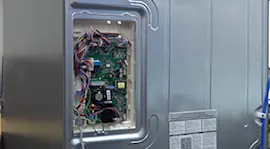
Installation guide
 Owner’s manual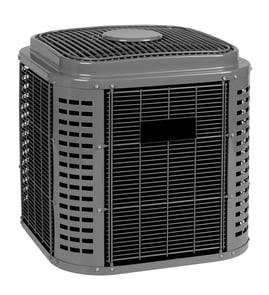




How much should a central air conditioning unit cost?
A central air conditioning unit typically costs about $3,000 to $15,000+ for the equipment and a standard installation. For a Carrier 24ACC648A0030010, your final price depends most on system size (tonnage/SEER), installation complexity, and whether ductwork, an evaporator coil, or electrical upgrades are needed.
What drives the total installed price
These factors usually move the price the most:
- System size and efficiency: higher SEER and larger capacity cost more.
- Ductwork condition: repairs, sealing, or replacement can add significant cost.
- Refrigerant line set work: long line runs, routing difficulty, and insulation needs.
- Electrical requirements: disconnect, breaker, wiring, and any required accessories.
- Site conditions: rooftop installs, tight clearances, or difficult access.
- Permits and code requirements: varies by location.
Installation details that can add labor
Even when the outdoor unit price is similar, labor can change based on requirements in the installation instructions.
- The outdoor unit needs service and airflow clearances (for example, 24 inches at the service end and 48 inches above the unit are common requirements).
- The unit must be set level (within a small tolerance) to reduce vibration and protect the compressor.
- If the system has a compressor crankcase heater, it typically needs power for 24 hours before start-up.
For the exact installation requirements for this model, use the 24ACC648A0030010 installation guide.
Typical cost ranges (quick reference)
| Cost item | Typical range | Notes |
|---|---|---|
| Outdoor condenser + indoor coil (equipment) | $2,500 to $10,000+ | Varies by capacity/efficiency and brand tier |
| Standard installation labor | $1,000 to $5,000+ | Access, line set, electrical, and start-up checks |
| Ductwork repair or replacement | $500 to $10,000+ | Depends on home size and duct condition |
Why it matters
A central AC is a system, not just a box outside. Correct clearances, proper charging, and solid electrical connections help the Carrier 24ACC648A0030010 cool efficiently, reduce nuisance shutdowns, and protect major components like the compressor and fan motor.
Last updated: January 2026
What is the average lifespan of a central air conditioning unit?
Most central air conditioning units last 15 to 20 years with normal use and consistent maintenance. For your Carrier 24ACC648A0030010, keeping airflow unrestricted, keeping the indoor filter clean, and following the routine maintenance steps in the 24ACC648A0030010 owner's manual helps the system run efficiently and reach a full service life.
Typical lifespan ranges (what we see most often)
Lifespan depends heavily on maintenance, installation quality, and runtime during extreme heat.
- 15 to 20 years: typical for a well-maintained central AC system
- 10 to 12 years: common when maintenance is skipped or airflow is restricted
- Earlier replacement: likely when the system runs with dirty filters, blocked vents, or a debris-covered outdoor unit
| Condition | What it usually leads to | What to do |
|---|---|---|
| Clean filter and good airflow | Longer life, lower operating cost | Keep the indoor filter clean and properly installed |
| Blocked vents or restricted airflow | Higher strain, shorter life | Keep floor, wall, and ceiling vents open |
| Outdoor unit covered or packed with debris | Poor heat rejection, longer run times | Keep the outdoor unit clear and maintain about 12 inches of clearance |
Maintenance habits that extend AC life
The Carrier documentation emphasizes routine maintenance and airflow. These steps make the biggest difference:
- Replace or clean the indoor air filter on schedule (a clogged filter increases operating cost and shortens unit life)
- Keep supply and return vents unblocked by furniture, drapes, or rugs
- Keep the outdoor condenser area clear of leaves, grass clippings, and shrubs
- Verify the indoor condensate drain is flowing during the cooling season
- During extreme heat, expect longer run times; avoid frequent thermostat changes that cause extra cycling
Why it matters
A central air conditioner that is forced to run with restricted airflow or a blocked outdoor unit runs hotter and longer. That extra strain reduces efficiency, increases operating cost, and shortens the compressor and fan motor life.
Last updated: January 2026
What tonnage is 24ACC648A0030010?
The Carrier 24ACC648A0030010 central air conditioner is a 4-ton outdoor unit (the “48” in the model number indicates 48,000 BTU/hr, and 48,000 ÷ 12,000 = 4 tons). For installation sizing details and unit size references, use the 24ACC648A0030010 installation guide.
How we determine tonnage from the model number
Carrier model numbers commonly embed the nominal capacity as a two-digit “size” code:
- 18 = 1.5 ton (18,000 BTU/hr)
- 24 = 2 ton (24,000 BTU/hr)
- 30 = 2.5 ton (30,000 BTU/hr)
- 36 = 3 ton (36,000 BTU/hr)
- 42 = 3.5 ton (42,000 BTU/hr)
- 48 = 4 ton (48,000 BTU/hr)
- 60 = 5 ton (60,000 BTU/hr)
Quick conversion table
| Nominal size code | Approx. BTU/hr | Nominal tons |
|---|---|---|
| 36 | 36,000 | 3.0 |
| 42 | 42,000 | 3.5 |
| 48 | 48,000 | 4.0 |
| 60 | 60,000 | 5.0 |
Why the correct tonnage matters
Correct tonnage affects comfort and reliability. An oversized central air conditioner can short-cycle and leave humidity high; an undersized unit can run constantly and struggle on hot days.
Related installation details that should match the unit size
The installation instructions for the 24ACC6 series list refrigerant connection sizes by unit size. For “size 48” units, the guide shows a 3/8-inch liquid line and 7/8-inch vapor line as the rated connection/tube diameter up to typical line lengths. Confirm your exact application details in the 24ACC648A0030010 installation guide.
Last updated: January 2026