Error Codes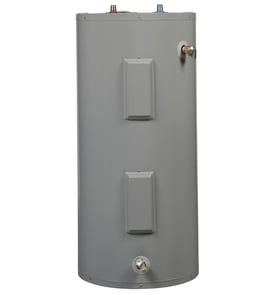



What's the average lifespan of an electric hot water heater?
A tank-style electric water heater typically lasts 10 to 15 years. For your State SCV40DHMS electric water heater, regular maintenance (especially flushing sediment and replacing the anode rod when needed) is what most often determines whether it lands closer to 10 years or closer to 15.
Typical lifespan ranges (what to expect)
Most electric tank water heaters fall into these real-world ranges:
- 8 to 10 years: hard water, heavy use, little maintenance
- 10 to 15 years: typical household use with basic maintenance
- 15+ years: lighter use, good water quality, consistent maintenance
| Water heater type | Typical lifespan | What usually ends it |
|---|---|---|
| Electric tank (like SCV40DHMS) | 10 to 15 years | Tank corrosion, element/thermostat issues |
| Electric tankless | 20+ years | Scale buildup, electronics failure |
Maintenance that extends life the most
These are the highest-impact steps we recommend for an electric water heater:
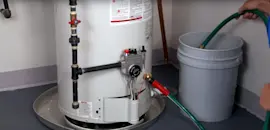
- Flush the tank periodically to reduce sediment that overheats elements and stresses the tank
- Inspect and replace the anode rod before it is fully consumed (it protects the tank from corrosion)
- Keep thermostats set reasonably (many homes run around 120°F for comfort and scald prevention)
- Watch for early warning signs: rumbling/popping, rusty hot water, slow recovery, or water around the base
- Replace failed controls promptly so the heater does not short-cycle or overheat
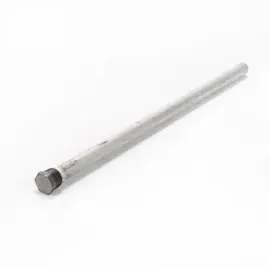
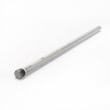
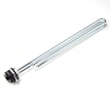
If you are planning proactive maintenance, the anode rod 100109624 is one of the most common life-extending replacement parts for this model.
Why it matters
Once the tank begins to corrode internally, repairs to thermostats or electrical components cannot stop a leak. Replacing wear items early (like the anode rod and thermostats) helps protect the tank itself, which is the part that determines the true end of service life.
Helpful DIY guidance
For step-by-step instructions, we recommend our guide: how to replace an electric water heater anode rod.
Last updated: February 2026
What brand of electric water heater is the most reliable?
For long-term reliability in an electric tank water heater, we look for proven tank construction, readily available service parts, and consistent temperature control. Since this page is for a State SCV40DHMS water heater, State is already a solid, serviceable choice; reliability also depends heavily on maintenance and water conditions.
What “most reliable” usually means for electric water heaters
Reliability is typically driven by a few core factors, regardless of brand:
- Tank corrosion protection (anode rod condition and tank lining)
- Stable thermostat performance and safe temperature settings
- Heating element health (less scale buildup, fewer burnouts)
- Correct electrical supply and tight wiring connections
- Regular draining/flush to reduce sediment
Brands and what to compare (quick checklist)
Instead of chasing a single “best” brand, we recommend comparing these items across any brand you are considering:
| What to compare | Why it matters | What to look for |
|---|---|---|
| Parts availability | Faster, cheaper repairs | Common thermostats, anode rods, access panels |
| Warranty length | Indicates expected service life | Longer tank warranty is usually better |
| Service access | Easier maintenance | Standard panels, standard fittings |
| Local water conditions fit | Extends tank life | Anode options, maintenance schedule |
How to keep your State SCV40DHMS reliable
If you already own the State SCV40DHMS, maintenance and timely part replacement are the biggest reliability boosters:
- Inspect and replace the anode rod on schedule; a worn anode accelerates tank corrosion (see anode rod 100109624).
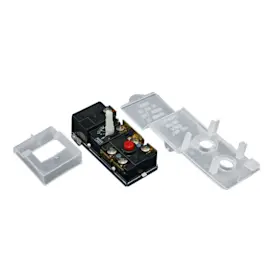
- If temperatures swing or you run out of hot water, test the upper and lower thermostats and replace as needed (see thermostat 100108683 and thermostat 100108421).
- Keep the element area clean by draining sediment periodically.
- Make sure access panels and insulation are properly reinstalled after service (see access panel 100109599).
Why it matters
A “reliable” electric water heater is usually the one that is maintained and repaired early. Replacing a thermostat or anode rod at the right time often prevents bigger failures and keeps hot water consistent.
Last updated: February 2026
What company makes state water heaters?
State water heaters (including model SCV40DHMS) are made under the State brand, which is part of A. O. Smith. In other words, State is an A. O. Smith family brand, and many State water heaters share A. O. Smith engineering and manufacturing resources.
What this means for parts and repairs
When you are maintaining a State electric water heater like SCV40DHMS, you will typically shop by model number and match the exact replacement part used on that unit.
Common maintenance and repair items include:
- Thermostats (upper and lower)
- Anode rod (helps protect the tank from corrosion)
- Access panels and insulation pieces
- Valves and fittings used in the water circuit
If you are troubleshooting temperature issues, a thermostat is a common starting point; see how to replace an electric water heater thermostat.
Parts on this model page that match common needs
Here are a few parts listed for State SCV40DHMS that align with typical water heater repairs:
| Symptom or task | Part to check/replace | Notes |
|---|---|---|
| Water too hot, too cool, or fluctuating | Thermostat 100108683 (upper) | Upper thermostat often controls power switching between elements |
| Inconsistent temperature or limited hot water | Thermostat 100108421 (lower) | Lower thermostat helps maintain lower tank temperature |
| Preventive maintenance to extend tank life | Anode rod 100109624 | Replacing the anode rod helps slow tank corrosion |
Why it matters
Knowing State is part of A. O. Smith helps set expectations for build quality and parts sourcing, but the most important detail for ordering is still your exact model number (SCV40DHMS) and the exact part ID listed for that model.
Last updated: February 2026
What are common problems with state SCV40DHMS water heaters?
Common problems we see with the State SCV40DHMS electric water heater include no hot water, water that is too hot, fluctuating temperatures, popping or rumbling noises from sediment, and occasional leaks at fittings or valves. Many of these symptoms trace back to thermostat control issues, scale buildup, or normal wear items like the anode rod.
Most common symptoms and likely causes
- No hot water or not enough hot water: failed thermostat, tripped high-limit reset, failed heating element, or power supply issue
- Water too hot: thermostat stuck closed or set too high
- Fluctuating water temperature: thermostat out of calibration, loose wiring, or one heating circuit not working consistently
- Popping or rumbling noises: sediment or scale buildup on the tank bottom or heating element
- Discolored or smelly water: depleted anode rod or water chemistry issues
- Small leaks: loose connections, failing drain valve, or T and P relief valve weeping
Parts that commonly solve these issues
If temperature control is the problem, the thermostats are the first parts we check on this model:
| Symptom | Part to check first | What it does |
|---|---|---|
| Water too hot or not hot enough | Thermostat 100108683 | Controls upper tank temperature and staging |
| Fluctuating temperatures | Thermostat 100108421 | Controls lower heating cycle |
| Smelly or discolored water | Anode rod 100109624 | Protects the tank from corrosion |
Quick checks we recommend before replacing parts
- Confirm the breaker is on and the water heater has power.
- Press the high-limit reset (if equipped) after the tank cools.
- Verify both access areas are closed and insulation is in place; heat loss and drafts can affect performance.
- Look for signs of overheating at wiring terminals (discoloration or melted insulation).
- If you hear rumbling, plan a tank drain and flush to reduce sediment.
Why it matters
Electric water heaters like the SCV40DHMS rely on correct thermostat operation and clean heat transfer surfaces. A weak thermostat or heavy sediment can cause slow recovery, temperature swings, higher energy use, and premature failure of heating components.
For step-by-step troubleshooting and repair help, we recommend starting with water heater common questions.
Last updated: February 2026
What is the average cost of a 40 gallon electric hot water heater?
A new 40-gallon electric water heater typically costs about $400 to $900 for the unit alone, with installed totals commonly landing around $1,000 to $2,500 depending on labor rates, electrical updates, and any plumbing changes. For your State SCV40DHMS, repair parts can be a cost-effective alternative when the tank is still in good shape.
What changes the price the most
- Installation labor (local rates and complexity)
- Electrical work (new breaker, wiring, disconnect, or code updates)
- Plumbing changes (valves, piping, shutoff upgrades)
- Disposal/haul-away of the old tank
- Water conditions (hard water can shorten component life and increase maintenance)
Repair vs. replace: a quick comparison
If you are deciding whether to repair your SCV40DHMS or replace the whole heater, this is the usual cost tradeoff.
| Option | Typical cost range | Best when | What you are paying for |
|---|---|---|---|
| Replace the full heater | $1,000 to $2,500 installed | Tank is leaking or very old | New tank, labor, and any updates |
| Repair common components | $50 to $300+ in parts (plus labor if hired) | Tank is sound but performance is off | Targeted fix (thermostat, anode rod, valves) |
Common SCV40DHMS parts that can restore performance
These are frequent fixes for “no hot water,” “water too hot,” or temperature swings on electric water heaters.
- Replace a failed thermostat (upper or lower), such as the thermostat 100108683 or thermostat 100108421
- Reduce odor and slow tank corrosion by replacing the anode rod 100109624
- Restore safe access and insulation coverage with the access panel 100109599 if yours is damaged or missing
Why it matters
A 40-gallon electric water heater price is not just the tank. Installation details and small add-on parts often drive the final bill. If your State SCV40DHMS tank is not leaking, replacing wear items like thermostats and the anode rod often brings hot water performance back at a much lower cost.
Helpful DIY troubleshooting
- No hot water electric water heater troubleshooting video
- Water heater fluctuating water temperatures
- How to replace an electric water heater thermostat
Last updated: February 2026