Owner’s manual




What PSI should my pressure washer be?
For the Craftsman 580752910 gas pressure washer, the “right” PSI depends on what you’re cleaning: most homeowner jobs are best handled in the 1,300 to 2,800 PSI range, while tougher concrete and heavy grime typically need higher PSI. Use the 580752910 owner's manual to match PSI and spray tip to the task.
Recommended PSI by cleaning job
- 1,300 to 1,900 PSI: cars, patio furniture, grills, delicate surfaces
- 2,000 to 2,800 PSI: decks, fences, siding, most driveway cleaning
- 2,900+ PSI: heavy-duty concrete, deep stains (use extra caution)
- Lower PSI with detergent: best for applying soap through the chemical injector
Quick PSI and spray tip guide
Spray tips change cleaning power as much as PSI does. A wider fan tip reduces surface damage risk.
| Task | Typical PSI target | Tip approach |
|---|---|---|
| Washing a car | 1,300 to 1,900 | Wider fan, keep distance |
| Deck or fence | 2,000 to 2,800 | Medium fan, test a small area |
| Concrete/driveway | 2,500 to 3,200 | Narrower fan, steady passes |
| Soap application | Low pressure | Use chemical injection mode |
Why it matters
Using more PSI than you need can gouge wood, etch concrete, and force water behind siding. Using too little PSI wastes time and can make you overwork the pump and spray nozzle.
Tips to get the best cleaning results
- Start with the widest spray pattern and increase only if needed.
- Keep the nozzle moving; avoid holding the spray in one spot.
- Increase distance first before increasing aggressiveness.
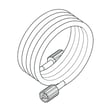
- If detergent is not drawing, check the injector line and consider replacing the pressure washer chemical injector hose 705076.
- If spray pattern is uneven or weak, inspect and clean the nozzle; replace if worn (for example, the pressure washer spray nozzle 195983TGS if it matches your setup).
Last updated: January 2026
What are the most common issues with 580752910?
The most common issues we see on the Craftsman 580752910 gas pressure washer are low or surging pressure, detergent not siphoning, leaks at hose connections, and spray pattern problems from clogged or worn nozzles. Most fixes start with checking water supply, hoses, and the unloader system.
Common problems and what they usually point to
- Low pressure or pressure surging: clogged spray tip, air leak on inlet side, sticking unloader valve, or pump check valve issues
- No detergent draw: chemical injector hose clogged, wrong nozzle (needs low-pressure soap tip), or air leak at injector
- Water leaking at connections: worn O-rings, loose fittings, damaged hose ends
- Poor spray pattern: debris in nozzle, worn nozzle or incorrect tip size
- Hard to start or loses power under load: fuel quality, spark plug, air filter, or engine governor/load issues
Quick checks we recommend first (fastest wins)
- Confirm a strong water supply and fully open spigot; purge air by running water through the hose before starting.
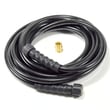
- Inspect the high-pressure hose for kinks, soft spots, or damaged couplers; replace if needed with the pressure washer hose 84006753.
- Clean the spray tip and try a different tip; a worn tip commonly causes low pressure. If tips are damaged, use the pressure washer spray nozzle set 314075GS.
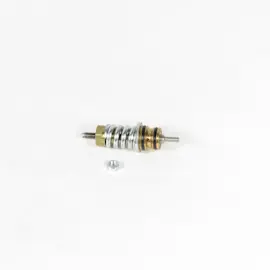
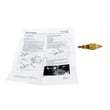
- If pressure spikes or hunts, focus on the unloader valve; the pressure washer unloader valve kit 772235 is a common repair.
- If soap will not siphon, inspect/clear the injector line; replace the pressure washer chemical injector hose 705076 if it is brittle or plugged.
Symptom-to-likely-cause guide
| Symptom | Most common cause | Typical next step |
|---|---|---|
| Low pressure | Clogged/worn nozzle | Clean or replace nozzle set |
| Surging pressure | Unloader sticking | Service/replace unloader kit |
| Leaks at wand/hose | Worn seals/O-rings or damaged hose | Reseat fittings; replace hose |
| No soap draw | Injector line clogged or wrong tip | Clear/replace injector hose; use soap tip |
Why it matters
Running with low water flow, air leaks, or a sticking unloader can overheat the pump and quickly wear seals and valves. Fixing the root cause restores cleaning power and helps prevent pump damage.
Helpful references
- Use the owner's manual for the correct startup procedure, nozzle selection, and maintenance intervals.
- For unloader-related surging, follow how to replace a pressure washer unloader valve.
Last updated: March 2026
What kind of gas goes in a Craftsman 3000 PSI pressure washer?
For a Craftsman gas pressure washer like model 580752910, we use clean, fresh, unleaded gasoline with a minimum 87 octane (87 AKI) rating. Avoid old fuel and don’t mix oil into the gas (this is a 4-cycle engine setup).
What to use (and what to avoid)
Use fuel that helps the engine start easily and run smoothly:
- Unleaded gasoline, 87 octane (AKI) or higher
- Fresh fuel (best if it’s less than 30 days old)
- Fuel stabilizer if the washer will sit more than a few weeks
- No ethanol-free requirement; if you use E10, keep it fresh and stored tightly
- Avoid E15/E85, and avoid any fuel contaminated with water or debris
Quick fuel checklist for 580752910
| Item | Recommended | Why it matters |
|---|---|---|
| Octane | 87 AKI minimum | Prevents hard starting and poor running |
| Fuel type | Unleaded gasoline | Matches typical small-engine requirements |
| Fuel age | Fresh (under ~30 days) | Reduces varnish and carburetor clogging |
| Storage | Stabilized if stored | Helps prevent stale-fuel issues |
If it won’t start or runs rough after fueling
Stale fuel is one of the most common causes of “won’t start” and “losing power” symptoms on gas pressure washers.
- Drain old gas from the tank (and carburetor bowl if accessible)
- Refill with fresh 87+ octane unleaded fuel
- Check the air filter and spark plug condition
- Confirm the water supply is on and flowing before starting
- If the engine surges or bogs, suspect fuel restriction or carburetor varnish
For model-specific operating and fueling steps, follow the 580752910 owner’s manual.
Why it matters
Using the right gasoline helps protect the carburetor, improves starting, and reduces power loss under load, especially when you’re running a spray nozzle or longer hose setup.
Last updated: January 2026