Error Codes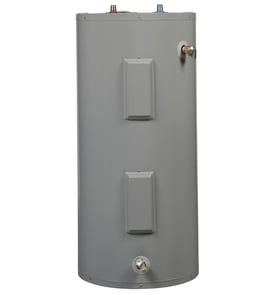



How long does an A. O. Smith 40 gallon water heater last?
An Ao Smith 40-gallon electric water heater like model ECJ40 typically lasts 8 to 12 years. With consistent maintenance (tank flushing and anode rod replacement), it commonly reaches 10 to 15 years; hard water and heavy use shorten service life.
Typical lifespan and what changes it
Most residential 40-gallon electric water heaters fall into these ranges:
- 8 to 12 years: typical service life
- 10 to 15 years: common with good maintenance and normal water conditions
- Under 8 years: more likely with hard water, high temperature settings, or neglected maintenance
Maintenance that extends life
These steps reduce sediment buildup and corrosion, which are the main tank killers:
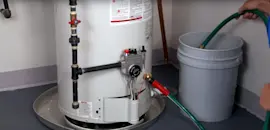
- Flush a few gallons from the tank periodically to reduce sediment
- Inspect and replace the anode rod before it is heavily depleted
- Keep temperature set to a practical level (many homes use about 120°F)
- Watch for early signs of element scaling (slow recovery, higher electric bills)
- Fix small leaks quickly so they do not become tank or fitting damage
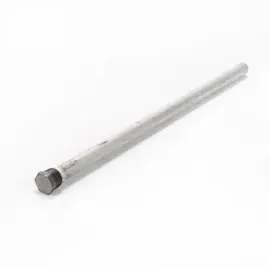
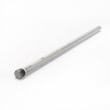
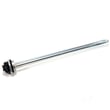
A common life-extending replacement on ECJ40 is the anode rod 100109624.
Quick “replace part vs replace heater” guide
| What you notice | Most likely cause | Usually worth repairing? |
|---|---|---|
| Not enough hot water | Failed heating element or thermostat | Yes |
| Water takes too long to heat | Sediment on element, weak element | Yes |
| Rusty water from hot side | Worn anode rod, tank corrosion starting | Sometimes |
| Water leaking from tank body | Tank failure | No |
Why it matters
Once the tank itself corrodes through, replacement is the practical fix. Replacing wear items early (especially the anode rod, thermostat, or heating element) helps you avoid premature tank failure and keeps hot water recovery consistent.
Last updated: January 2026
How much should a 40 gallon electric water heater cost?
A typical 40-gallon electric water heater like the Ao Smith ECJ40 usually costs about $400 to $1,000 for the tank alone; the installed total commonly runs $600 to $3,000 depending on labor rates and whether any plumbing or electrical updates are needed.
What changes the price the most
- Type of heater: standard electric tank units cost less than high-efficiency options.
- Installation complexity: tight spaces, old shutoff valves, or corroded piping add labor.
- Electrical work: a new breaker, wiring, or disconnect can raise the installed price.
- Code-related add-ons: drip pan, expansion tank, seismic straps, or venting changes (when required locally).
- Disposal and haul-away: removing the old tank is sometimes a separate charge.
Typical cost ranges (quick guide)
| Item | Common range | Notes |
|---|---|---|
| 40-gallon electric tank (unit only) | $400 to $1,000 | Brand, warranty length, and features drive the spread |
| Basic installation labor | $200 to $1,200 | Varies heavily by region and access |
| Common add-ons and upgrades | $0 to $1,500+ | Electrical, piping, valves, pan, expansion tank |
| Total installed cost | $600 to $3,000 | Most homeowners land in this band |
Why it matters
A low upfront price can turn into a higher installed cost if the existing heater has leaking valves, outdated wiring, or heavy sediment buildup. If your current heater is slow to recover or runs out of hot water, pricing a repair part versus replacement helps you decide faster.
When repair parts make sense instead of replacement
If the tank is not leaking, replacing a failed component can restore hot water at a much lower cost than a full replacement. Common service parts for the ECJ40 include:
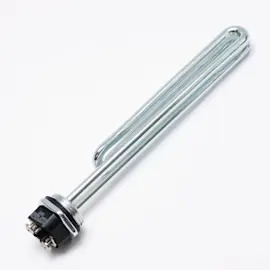
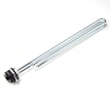
- Element 100108283 (heating performance issues, tripped reset, slow recovery)
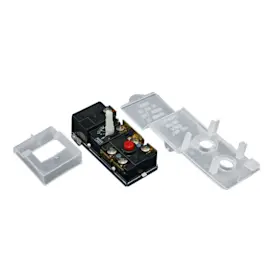
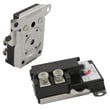
- Thermostat 100110039 (water too hot, not hot enough, temperature swings)
- Anode rod 100109624 (helps reduce tank corrosion and extend service life)
Last updated: January 2026
Are A. O. Smith electric water heaters any good?
Yes. Ao Smith electric water heaters like model ECJ40 are a solid, mainstream choice for reliable hot water when they are installed correctly and maintained; most performance complaints trace back to water conditions (sediment, hard water) and wear parts such as the heating element or thermostat.
What “good” means for an electric water heater
A good electric water heater consistently heats water, holds temperature, and avoids nuisance shutdowns. With the ECJ40, long-term satisfaction usually comes down to routine maintenance and replacing common service parts on time.
Typical strengths
- Fast recovery for normal household use
- Straightforward electric design (thermostats + heating elements)
- Parts are serviceable rather than “sealed”
Common complaints we see across electric tanks
- Reduced hot water from sediment buildup on the element
- Temperature swings from a drifting thermostat
- Premature corrosion when the anode rod is depleted
What to check if performance is disappointing
Before judging the heater, we recommend checking these basics (they solve most “not enough hot water” and “water not hot” complaints):
- Verify the breaker is on and wiring connections are tight (power off first)
- Confirm both thermostats are set to a reasonable temperature (many homes use about 120°F)
- Look for signs of sediment (popping, rumbling, slow recovery)
- Inspect the anode rod condition and replace if heavily worn
- Test the heating element and thermostat with a meter if heating is inconsistent
A helpful skill-builder for electrical testing is how to use a multimeter to test electrical parts video.
Parts that most often restore “like-new” heating
If your ECJ40 is slow to heat or runs out of hot water quickly, these are the most common wear items:
| Symptom | Likely part | Example part for ECJ40 |
|---|---|---|
| Slow recovery, lukewarm water | Heating element | Element 100108283 |
| Overheating or temperature swings | Thermostat | Thermostat 100110039 |
| Rusty odor, faster tank corrosion | Anode rod | Anode rod 100109624 |
Why it matters
Electric water heaters are simple machines, but they depend on a few key parts. Keeping the heating circuit healthy (thermostat, element, wiring protection) and protecting the tank (anode rod) is what separates “great heater” experiences from repeated hot-water problems.
Last updated: January 2026