Owner’s manual
 Error Codes



How do I clean the rubber seal on my Electrolux front load washer?
To clean the rubber door seal (door gasket) on your Electrolux ELFW7537AW0 front-load washer, we recommend wiping out the gasket folds after each use and doing a deeper scrub when you see residue or odor. Follow the care-and-cleaning steps in the ELFW7537AW0 use & care manual to avoid damaging the gasket.
Quick cleaning steps (after a wash)
- Unplug the washer for safety.
- Pull back the gasket folds all the way around the opening.
- Wipe standing water, lint, hair, and detergent residue with a clean, dry towel.
- Check the very bottom of the gasket where debris commonly collects.
- Leave the door slightly open (or use the door stand ventilation feature, if equipped) to help the area dry.
Deep cleaning steps (when you see buildup or smell odor)
- Wear gloves and ventilate the room.
- Spray a bleach-based bathroom cleaner onto a cloth or soft brush (not directly into the tub) and scrub the gasket folds.
- Let the cleaner dwell briefly, then wipe thoroughly with clean water until residue is gone.
- Run a Clean Washer cycle with the washer empty, then immediately run Rinse & Spin with no detergent to flush out any remaining cleaner.
When cleaning turns into a parts issue
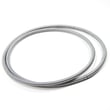
If the gasket is torn, warped, or won’t seal, cleaning will not fix leaks. For this model, the replacement part is the washer door boot 5304505004.
| What you notice | Most likely cause | What we recommend |
|---|---|---|
| Black residue in folds | Moisture plus detergent/soil buildup | Wipe dry after each load; deep clean as needed |
| Musty odor | Trapped moisture, closed door between loads | Use door stand ventilation; run Clean Washer monthly |
| Water on floor at door | Damaged or mis-seated gasket | Inspect gasket lip; replace door boot if torn |
Why it matters
A clean, dry door gasket helps prevent mold and odor, improves door sealing, and reduces the chance of leaks and repeat cleaning.
Last updated: January 2026
How do I tell what model Electrolux washer I have?
On the Electrolux washer model ELFW7537AW0, you can identify the model by opening the door and checking the model/serial label on the cabinet opening (door frame area). The label lists the full model number and serial number you will need for manuals and parts.
Where to look on ELFW7537AW0
Check these common label locations first:
- Open the washer door and look along the door opening frame (often near the latch side)
- Look on the inside edge of the front panel around the door opening
- If you do not see it immediately, check the lower portion of the door opening area
For a model-specific reference, see the ELFW7537AW0 use & care manual.
What to write down (and why)
Record these details exactly as shown on the label:
- Model number (example: ELFW7537AW0)
- Serial number (unique to your washer)
- Any series information embedded in the model number (Electrolux uses the model number to indicate series)
Quick guide: model vs. serial
| Item | What it tells us | When you need it |
|---|---|---|
| Model number | Which design and parts fit | Ordering parts, finding diagrams, matching instructions |
| Serial number | Production-specific details | Service support, warranty verification, some part lookups |
Why it matters
Electrolux model numbers can look very similar, but small differences can change the correct fit for parts like the door lock, water inlet valve, or drain pump. Using the exact model number helps us match the right replacement parts and troubleshooting steps the first time.
Last updated: January 2026
What are the common problems with Electrolux washing machines?
Electrolux washers like model ELFW7537AW0 most often run into draining problems, door lock issues, excessive vibration/noise, and fill or temperature complaints. Many are caused by maintenance items (detergent buildup, clogged filters/hoses, unlevel installation) rather than a major failure; our troubleshooting steps in the ELFW7537AW0 use & care manual help narrow it down.
Most common issues we see (and what they usually mean)
- Won’t drain or drains slowly: kinked drain hose, clogged pump filter, or a failing drain pump.
- Won’t spin or stops mid-cycle: load imbalance, oversudsing, or a door lock not latching.
- Leaks at the door: debris or tears in the door boot (rubber gasket) or a loose clamp.
- Loud vibration or banging: washer not level, shipping hardware not removed, or worn shocks.
- Fill problems or wrong water temperature: partially closed faucets, clogged inlet screens, or inlet valve trouble.
Quick checks before replacing parts
- Confirm installation basics: washer level, solid floor, correct standpipe height, hoses not kinked.
- Reduce oversudsing: use HE detergent and avoid overdosing (extra rinses can add time).
- Run a maintenance clean: use the Clean Washer cycle monthly and wipe the door gasket folds.
- Check the drain path: inspect the drain hose routing and clean the pump filter if accessible.
Parts that commonly solve these symptoms on ELFW7537AW0
| Symptom | Often-related part | What it does |
|---|---|---|
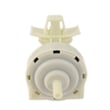
| Slow/no drain | Washer drain pump filter 5304505165 | Traps lint/coins before water reaches the pump |
| Won’t drain, humming | Washer drain pump assembly 5304514775 | Pumps water out during drain/spin |
| Door won’t lock/unlock | Washer door lock assembly 5304514774 | Confirms door is locked so the cycle can run |
| Door leak/odor buildup | Washer door boot 5304505004 | Seals the door opening to prevent leaks |
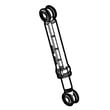
| Excessive vibration | Washer single stage shock absorber 137412601 | Dampens tub movement during spin |
Why it matters
Catching a clog, oversudsing, or a leveling problem early helps prevent repeat error conditions, reduces wear on the drive system, and can stop small leaks from turning into bigger water damage.
Last updated: January 2026