Owner’s manual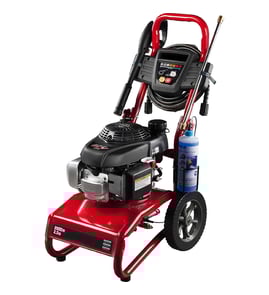



What PSI should my pressure washer be?
For typical home cleaning, we recommend a pressure washer in the 1,300 to 2,800 PSI range; that covers most jobs a Craftsman pressure washer like model 580752872 is used for, from vehicles to decks and patios. For the exact rated PSI for your unit, check the specifications in the 580752872 owner's manual.
Choose PSI based on what you clean
- 1,300 to 1,900 PSI: cars, outdoor furniture, grills, small siding areas
- 2,000 to 2,800 PSI: decks, fences, patios, most driveway and walkway cleaning
- 2,900+ PSI: heavier concrete work; more risk of surface damage if you linger
Quick PSI guide (typical home use)
| Task | Typical PSI range | Notes |
|---|---|---|
| Wash a car | 1,300 to 1,900 | Use a wider spray nozzle and keep distance |
| Clean a deck | 2,000 to 2,800 | Test a small area first to avoid gouging wood |
| Patio/sidewalk | 2,000 to 2,800 | Keep the wand moving for even cleaning |
| Stained concrete | 2,800 to 3,200 | Consider detergent and dwell time instead of more pressure |
If pressure seems too low (or surges)
Before assuming the pump is weak, we check these common causes:
- Clogged or wrong spray tip; try a different pressure washer spray nozzle 195983ZGS
- Restricted water supply (kinked hose, low flow, dirty inlet screen)
- Air in the pump; purge air by running water through the hose and wand before starting
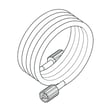
- Chemical injector drawing air; inspect the pressure washer chemical hose 705076 for cracks or loose fit
- Worn seals or valves in the pump (more likely if the unit sat with water inside)
Why it matters
Using the right PSI helps you clean faster while protecting surfaces. Too much pressure can etch concrete, shred wood fibers, and force water behind siding; too little pressure makes you overwork the same spot and can still cause damage.
Last updated: February 2026
What kind of gas goes in a Craftsman 3000 PSI pressure washer?
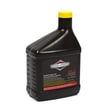
For the Craftsman pressure washer model 580752872, we use clean, fresh, unleaded gasoline with a minimum 87 octane (87 AKI) rating. Avoid old fuel and never mix oil into the gas (this unit uses a separate engine oil fill).
Fuel type and what to avoid
Using the right fuel helps the engine start easier, run smoother, and reduces carburetor varnish.
- Use unleaded gasoline, 87 octane (AKI) or higher
- Use fresh fuel (do not store gas in the tank long-term)
- Avoid stale gas (common cause of hard starting and surging)
- Avoid E85 (high-ethanol fuel) and any fuel not intended for small engines
- Do not use mixed 2-cycle fuel unless your engine specifically calls for it
For model-specific operating and fueling notes, follow the 580752872 owner’s manual.
Quick fuel checklist (before you fill)
- Shut the engine off and let it cool.
- Move the pressure washer to a well-ventilated area.
- Wipe dirt away from the fuel cap area.
- Fill slowly; leave a little space for fuel expansion.
- Tighten the cap and wipe up any spills.
Common symptoms of wrong or old fuel
| Symptom | Most likely fuel-related cause | What usually helps |
|---|---|---|
| Hard starting | Stale gas or water in fuel | Drain tank, refill with fresh 87+ |
| Surging at idle | Varnish in carburetor from old gas | Fresh fuel; clean carb if needed |
| Runs then dies | Restricted fuel flow | Check cap vent, fuel line, carb |
Why it matters
Pressure washers often sit between uses; fuel that ages in the tank can gum up the carburetor and cause no-start or poor performance. Fresh, correct-octane unleaded gas is the simplest way to prevent most fuel-related problems.
Last updated: February 2026
How to tell if your pressure washer pump is bad?
A bad pump on a Craftsman pressure washer model 580752872 typically shows up as low or surging pressure, new leaks, or abnormal noises, even when your water supply and spray nozzle are correct. We confirm pump trouble by ruling out simple flow restrictions first, then checking for leaks and pressure stability.
Quick symptoms that point to a failing pump
- Pressure pulses (surges) and will not smooth out after purging air
- Pressure is consistently low with any nozzle tip
- Water leaks from the pump body or fittings (not just the garden hose connection)
- Oil looks milky or dirty (on pumps with an oil reservoir)
- Grinding, knocking, or squealing noises from the pump area
- Unit stalls or bogs down when you squeeze the trigger (after confirming nozzle is not clogged)
Fast checks before you blame the pump
These steps catch the most common non-pump causes of low pressure.
- Verify strong water supply; fully open spigot and use a non-kinked inlet hose
- Remove and clean the spray nozzle; a partially blocked tip can mimic pump failure
- Purge air: run water through the system with the engine off, then start and hold trigger open 30 to 60 seconds
- Inspect the high-pressure hose for internal collapse or a damaged quick-connect
- Check the chemical injector line for air leaks if you recently used detergent (a loose chemical hose can introduce air)
Helpful model-specific references: 580752872 owner’s manual.
Simple “is it the pump?” decision table
| What you see | Most likely cause | What we do next |
|---|---|---|
| Good water flow at inlet, clean nozzle, still surging | Pump valves or seals | Inspect for leaks; consider pump replacement |
| Low pressure only with one tip | Clogged/worn nozzle | Replace the nozzle |
| Pressure drops under load and hose looks damaged | High-pressure hose restriction | Replace the hose |
| Visible pump housing leak | Seal/manifold damage | Replace pump or rebuild if applicable |
Parts that commonly get replaced with pump issues
If your checks point to the pump, replacement is often the most reliable fix on homeowner units.
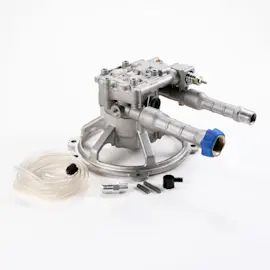
- Craftsman pressure washer pump assembly 770000
- Pressure washer spray nozzle 195983ZGS
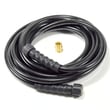
- Pressure washer water hose 84006753
- Pressure washer chemical hose 705076
Why it matters
Running with a failing pump can quickly worsen internal scoring and seal damage, and it can also overwork the engine because pressure and flow are unstable. Catching restrictions early (nozzle, hose, air leaks) prevents unnecessary pump replacement.
Last updated: February 2026