 Owner’s manual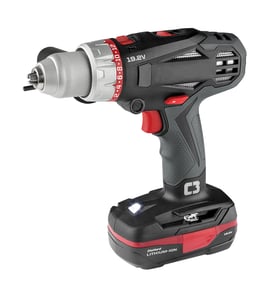


Can a hammer drill be used like a normal drill?
Yes. You can use the Craftsman 315101371 hammer drill like a normal drill by switching to drill-only mode (hammer off); it will drill wood, drywall, plastic, and metal like a standard drill, and you can turn hammer on only when you need masonry drilling. For operating details, use the 315101371 owner's manual.
How to use it as a “regular” drill
- Set the selector to drill (not hammer).
- Use the correct drill bit for the material (wood bit, twist bit for metal, masonry bit only when hammering).
- Start at a low speed to keep the bit from walking, then increase speed as the hole starts.
- Use the clutch (if equipped) for driving screws; use drill mode for drilling holes.
- For metal, use cutting oil and steady pressure; let the bit do the work.
What changes compared to a standard drill
A hammer drill is built to handle tougher work, so it can feel different for light-duty tasks.
| Task | Drill-only mode (hammer off) | Hammer mode (hammer on) |
|---|---|---|
| Wood / drywall | Works well | Not recommended |
| Metal | Works well with a twist bit | Not recommended |
| Brick / concrete | Slow or may stall | Best choice with a masonry bit |
Common drawbacks (and how to work around them)
- Heavier and bulkier: Use two hands and brace your stance for straighter holes.
- Less finesse at low speed: Feather the trigger and start with a pilot hole when accuracy matters.
- More vibration/noise in hammer mode: Wear eye and hearing protection; keep a firm grip.
Why it matters
Using drill-only mode prevents unnecessary vibration and reduces bit wear, stripped screw heads, and oversized holes. Saving hammer mode for concrete and masonry also helps protect the chuck, gears, and motor.
Last updated: February 2026
Do I need special bits for a hammer drill?
You do not need “special” bits just because it’s a hammer drill, but you do need the right bit for the material. For your Craftsman 315101371 hammer drill, use masonry bits for concrete, brick, and block; standard twist bits are for wood and metal. See the 315101371 owner's manual for chuck size and bit recommendations.
What bits to use (by material)
- Concrete, brick, block, stone: carbide-tipped masonry drill bit (best match for hammer mode)
- Wood: standard twist bit, spade bit, or hole saw (use drill-only mode for cleaner holes)
- Metal: HSS twist bit or cobalt bit (use drill-only mode; add cutting oil)
- Tile: tile/glass bit (start slow; avoid hammer mode until you are through the tile, if at all)
- Fasteners: driver bits (Phillips, Torx, square) if your tool supports driving, but hammer mode is for drilling, not screwdriving
Quick setup tips for better results
- Set the tool to hammer drilling only when drilling masonry.
- Use firm, steady pressure; let the hammer action do the work.
- Start with a smaller pilot hole if the bit tends to walk.
- Clear dust often in deep holes (pull the bit out periodically).
- Wear eye protection and a dust mask when drilling masonry.
Common bit and mode pairing
| Task | Bit type | Recommended mode |
|---|---|---|
| Anchor holes in concrete | Masonry bit | Hammer drilling |
| Holes in studs | Twist/spade bit | Drill-only |
| Holes in steel | HSS/cobalt bit | Drill-only |
| Holes in ceramic tile | Tile/glass bit | Drill-only (low speed) |
Why it matters
Using the correct bit and mode prevents burned-up bits, cracked tile, oversized holes, and extra wear on the chuck and motor. Masonry bits are designed to handle the impact forces that make a hammer drill effective.
Last updated: February 2026
What size chuck is a Craftsman hammer drill?
Most Craftsman corded hammer drills use either a 3/8-inch or 1/2-inch chuck; the correct size for your Craftsman model 315101371 is the maximum bit shank diameter the jaws will clamp. You can confirm the exact chuck capacity by checking the markings on the chuck and the specifications in the 315101371 owner's manual.
How to confirm the chuck size on model 315101371
- Look for a stamped marking on the chuck sleeve or nose (commonly “3/8”, “1/2”, or “10 mm”, “13 mm”).
- Open the jaws fully and check for a printed size ring on the chuck.
- Check the specification section in the manual for “chuck capacity” or “chuck size”.
- Use a caliper or ruler to measure the largest smooth-shank bit the jaws will fully clamp.
- Size the chuck by the bit shank, not by the hole diameter you plan to drill.
Common chuck sizes (what the numbers mean)
| Chuck size | Metric equivalent | Typical use |
|---|---|---|
| 3/8 in | 10 mm | General drilling with smaller bits |
| 1/2 in | 13 mm | Larger bits, heavier drilling and hammer drilling |
Why it matters
Chuck size controls the maximum shank diameter your drill can hold securely. Using an oversized shank causes slipping, wobble, poor hole quality, and extra wear on the chuck and motor.
Quick bit fit and safety tips
- Tighten the chuck firmly before using hammer mode.
- Use straight, undamaged bit shanks; bent shanks create vibration.
- If the chuck slips, clean the jaws and re-tighten; replace the chuck if jaws are worn.
Last updated: February 2026
Where can I buy Craftsman replacement parts?
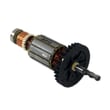
You can buy replacement parts for your Craftsman hammer drill model 315101371 through our model-specific parts list and diagrams, which helps you match the correct part to your exact tool. For part identification and safe disassembly guidance, use the 315101371 owner's manual.
Best way to buy the right part for model 315101371
Using the model number is the most reliable way to avoid ordering the wrong switch, cord, brush, or chuck component.
- Confirm the tool’s model number is 315101371 (from the nameplate).
- Use the exploded-view diagrams to identify the exact part name and location.
- Compare your original part visually (connectors, mounting holes, wire routing).
- Order the replacement part that matches the diagram callout for your drill.
- Keep fasteners and small parts organized during teardown for easier reassembly.
What you typically need before ordering
Having these details ready speeds up part matching and reduces returns.
| What to check | Why it matters | Example for a hammer drill |
|---|---|---|
| Model number | Ensures correct parts list | 315101371 |
| Symptom | Narrows likely failed parts | No power, sparking, weak hammering |
| Visual match | Confirms fit and connectors | Trigger style, cord strain relief |
| Basic measurements | Helps confirm compatibility | Chuck size, brush length |
Common Craftsman hammer drill parts people replace
These are the most frequent wear or failure items on corded drills.
- Carbon brushes (wear down and cause arcing or power loss)
- Power cord and strain relief (cuts, intermittent power)
- Trigger switch (no start, only runs at one speed)
- Chuck and chuck screw (slipping bit, wobble)
- Bearings (grinding noise, excessive vibration)
Why it matters
Power tool parts are model-specific; even similar Craftsman drills can use different switches, brush holders, or chucks. Starting with the correct model page and the 315101371 owner's manual helps you identify the right replacement part and repair safely.
Last updated: February 2026