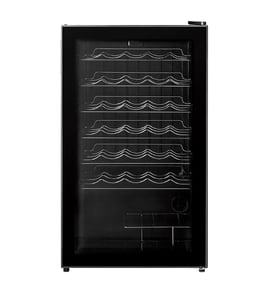


What is the best wine cooler to buy?
The best wine cooler to buy is the one that matches your bottle count, temperature needs (single-zone vs dual-zone), and installation type (freestanding vs built-in). If you already own a Haier SWX30N, the “best” choice is usually keeping it running reliably with the right replacement parts from this model’s parts list or by searching Sears PartsDirect.
How to choose the right wine cooler
- Capacity: Buy for your real collection size, plus growth; many owners outgrow small units quickly.
- Zones: Single-zone for one style (all reds or all whites); dual-zone if you store both.
- Fit and ventilation: Built-in units need front-venting; freestanding units need side/rear airflow clearance.
- Temperature stability: Look for tight control and minimal swings; stability matters more than chasing an exact number.
- Noise and vibration: Quieter compressors and good isolation help protect wine and keep the unit pleasant in living spaces.
Quick comparison: what “best” means for most shoppers
| If you want... | Prioritize... | Typical best match |
|---|---|---|
| Simple, reliable storage | Single-zone, stable temps | Single-zone wine cooler |
| Reds and whites at once | Two independent zones | Dual-zone wine cooler |
| Under-counter install | Front-venting, correct cutout | Built-in wine cooler |
| Lowest cost | Basic controls, smaller capacity | Compact freestanding unit |
If you already have a Haier SWX30N
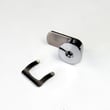
For many customers, the best value is maintaining the cooler they own. If your door will not stay secured, will not latch, or the lock mechanism is damaged, replacing the door lock WR01X29916 is a practical fix that helps the unit seal properly and hold temperature.
Before you buy a replacement cooler, check these common issues
- Door not sealing flat (gasket alignment, hinge sag)
- Unit packed too tightly (blocked airflow)
- Warm room location (garage, near oven, direct sun)
- Dirty condenser area (reduced cooling efficiency)
- Door lock or latch not engaging consistently
Why it matters
Wine stores best when temperature is steady, humidity is reasonable, and vibration is low. Choosing the right style (and keeping the door sealing and locking correctly) protects flavor and prevents premature aging.
Last updated: February 2026
What is the difference between a wine cooler and a beverage cooler?
A wine cooler (like the Haier SWX30N) is designed to store wine at steady, moderate temperatures with low vibration and wine-friendly shelving, while a beverage cooler is designed to chill mixed drinks colder and recover temperature quickly after frequent door openings.
Key differences that affect performance
- Temperature range and stability: Wine storage focuses on stable temps (commonly about 45 to 65°F); beverage storage often targets colder serving temps (commonly about 35 to 50°F).
- Humidity and cork care: Wine coolers are commonly set up to be gentler on corked bottles; beverage coolers prioritize fast chilling over cork considerations.
- Shelving style: Wine coolers typically use bottle racks sized for 750 ml bottles; beverage coolers use flatter, adjustable shelves for cans and bottles.
- Vibration and noise: Wine coolers generally aim for lower vibration to protect wine over time; beverage coolers are built for everyday access.
- How you use the door: Beverage coolers are opened more often; wine coolers are often opened less to keep conditions consistent.
Which one should you choose?
Use this quick guide:
| If you mostly store... | Choose a... | Why it fits |
|---|---|---|
| Red and white wine for weeks or months | Wine cooler | Better long-term stability for wine |
| Soda, beer, sparkling water, mixers | Beverage cooler | Colder temps and flexible shelving |
| A mix of wine and canned drinks | Beverage cooler (or dual-zone wine unit) | More versatile day-to-day storage |
| Mostly corked bottles stored on their side | Wine cooler | Racks and conditions suit wine storage |
Why it matters
Wine is sensitive to temperature swings and vibration; beverages are less sensitive and taste best when served colder. Picking the right cooler helps your drinks taste right and helps the appliance match your usage pattern.
Parts note for the Haier SWX30N
If your cooler is used in a shared space and you want to limit access, the door lock WR01X29916 is a model-compatible replacement part. For additional SWX30N parts beyond what is listed here, search by model number on Sears PartsDirect.
Last updated: February 2026
What is the most common problem with wine coolers?
The most common problem with a Haier wine cooler like model SWX30N is inconsistent cooling (the cabinet runs too warm, too cold, or swings in temperature). In most cases, the root cause is restricted airflow, a control/thermostat issue, or warm air leaking in through the door.
Quick checks that fix many cooling complaints
- Confirm the unit has clearance for ventilation (rear and sides) and nothing blocks the vents.
- Clean dust from the condenser area; dirty coils make the compressor run longer and cool less.
- Verify the door closes squarely and stays shut; avoid overloading shelves so bottles do not push the door open.
- Set the temperature and wait 24 hours before judging results; frequent changes cause swings.
- Keep the cooler out of direct sun and away from heat sources (ovens, dishwashers, radiators).
When it is a door issue (very common)
Warm air leaks are a top reason wine coolers struggle to hold temperature. If the door does not latch, pops open, or will not stay closed, inspect the latch/lock hardware.
If the lock mechanism is damaged or not engaging, replacing the Door lock WR01X29916 is a common fix for door-closing problems on this model.
Symptoms and likely causes
| Symptom | Most likely cause | What to do first |
|---|---|---|
| Runs but not cold enough | Dirty condenser, poor airflow | Clean condenser area; improve clearance |
| Temperature swings | Door not sealing, frequent opening | Check door closure; reduce openings |
| Frost or ice buildup | Door leak or humidity | Check seal and closure; limit door time |
| No power or intermittent power | Outlet/cord, internal wiring | Check outlet; inspect cord; test safely |
Why it matters for wine storage
Wine and beverages keep best when temperature is stable. Even if the cooler eventually reaches the set point, frequent swings force longer compressor run times, increase noise, and can shorten component life.
Ordering parts
We list model-specific replacement parts for Haier SWX30N on this page. For additional part searches by model number, use Sears PartsDirect.
Last updated: February 2026