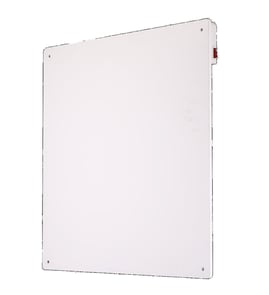

How long does a Williams wall furnace last?
A Williams wall furnace like model 650DVX-R typically lasts 15 to 20 years with normal use and basic maintenance. Lifespan depends most on burner cleanliness, proper venting, and keeping the gas and safety controls in good working condition.
Typical lifespan and what affects it
Most wall heaters reach the 15 to 20 year range when they are kept clean and operate with a steady, correct flame.
- Maintenance frequency: Annual cleaning and inspection extends life
- Combustion quality: A stable blue flame reduces soot and overheating
- Venting and airflow: Blocked venting or restricted air can shorten life
- Operating habits: Constant high heat and frequent cycling add wear
- Environment: Dust, pet hair, and lint buildup accelerate corrosion and clogging
Quick checklist to help yours reach 20 years
Use this as a practical, homeowner-friendly routine (shut off power and gas before servicing).
- Vacuum dust and lint from the grille and around the heater cabinet
- Keep furniture, curtains, and rugs clear of the heater’s airflow path
- Watch the flame; it should be mostly blue and steady during operation
- Listen for unusual noises (rattling, booming ignition, or frequent clicking)
- Schedule a yearly inspection of the burner, venting, and safety shutoffs
What “end of life” usually looks like
These symptoms often show up as a wall furnace nears replacement time.
| Symptom | What it often points to | What to do next |
|---|---|---|
| Frequent pilot or ignition problems | Worn ignition components or dirty burner | Clean and inspect ignition and burner system |
| Soot smell or visible soot | Poor combustion or venting issue | Stop using and have venting/combustion checked |
| Uneven heat or short cycling | Airflow restriction or control issues | Check airflow, then test controls |
| Rising repair frequency | Multiple aging components | Compare repair cost vs. replacement |
Why it matters
A wall furnace is a fuel-burning appliance; keeping combustion and venting in good shape protects comfort, efficiency, and safe operation. Regular upkeep also helps you avoid nuisance shutdowns during cold weather.
For general DIY readiness and safe repair planning, we recommend reviewing are diy appliance repairs safe.
Last updated: February 2026
Where is the reset button on a wall heater?
On most wall heaters, including many Williams wall furnace designs like model 650DVX-R, the “reset” is a small manual-reset button on a safety limit switch located behind the front grille or front panel. It is usually near the burner area or heat exchanger and trips if the heater overheats.
Where to look on a wall heater
We typically find the manual reset in one of these spots after removing the front cover:
- Behind the front grille, on a small round limit switch
- On the side of the heater cabinet, near the upper hot-air area
- Near the burner compartment (gas models), close to the safety controls
- Near the blower housing (if your unit has a blower)
- On a rollout or vent safety switch (some gas wall furnaces)
Safe steps to access and reset it
Wall heaters can involve gas and electricity, so use a careful, step-by-step approach.
- Turn the thermostat to OFF
- Shut off electrical power to the heater (switch or breaker)
- Let the heater cool for at least 15 to 30 minutes
- Remove the front grille or front panel (often a few screws)
- Look for a small button on a safety switch; press firmly until it clicks
- Reinstall the cover before restoring power and calling for heat
What it means if the reset keeps tripping
A manual reset is a safety device; repeated trips mean the heater is overheating or a safety switch is opening.
| What you notice | Common cause | What we recommend |
|---|---|---|
| Heater runs briefly, then shuts off | Restricted airflow | Clear lint/dust, confirm nothing blocks the grille |
| Strong hot smell, cabinet very hot | Dirty internal passages | Clean carefully; schedule service if buildup is heavy |
| Trips during windy conditions | Venting or downdraft issue (some installs) | Check venting and room air supply |
| Won’t reset or trips immediately | Failed limit switch or unsafe condition | Stop using heater; have it serviced |
Why it matters
The reset is there to prevent unsafe temperatures that can damage wiring, controls, and the heat exchanger. Resetting without fixing the cause can lead to repeated shutdowns and more expensive repairs.
For general electrical troubleshooting techniques (like checking a switch or verifying power safely), we use the same approach shown in how to use a multimeter to test electrical parts video.
Last updated: February 2026
Why won't my Williams pilot light stay lit?
If the pilot on your Williams wall furnace model 650DVX-R will not stay lit, the most common causes are a weak thermocouple signal, a dirty pilot/ODS opening, or a gas supply issue that prevents a steady pilot flame. Addressing flame quality and safety controls usually resolves it.
Safety first (gas appliance)
Before troubleshooting, we recommend these basics:
- Turn the control knob to OFF and wait at least 5 minutes before relighting.
- Ventilate the area; stop if you smell gas.
- Keep the burner compartment and air openings clear.
- Use a flashlight; do not use open flame to inspect.
- If you are unsure at any step, use a qualified technician.
What to check (in order)
1) Pilot flame strength and position
A healthy pilot flame is steady and should engulf the thermocouple tip. If the flame is small, yellow, or lifting off the pilot hood, it often will not heat the thermocouple enough.
- Dust, lint, or spider webs in the pilot opening
- Misaligned pilot assembly
- Low gas pressure or partially closed gas shutoff
2) Thermocouple condition
If the pilot lights but drops out when you release the knob, the thermocouple is the first suspect.
- Confirm the thermocouple connection at the gas valve is snug (do not overtighten)
- Look for kinks, corrosion, or a burned tip
- Replace if the pilot flame is correct but it still will not hold
3) Gas valve and safety controls
If the pilot flame is correct and the thermocouple is good, the gas valve magnet/safety circuit can be failing. This is a common “pilot will not stay lit” scenario on standing-pilot wall heaters.
Quick symptom guide
| Symptom | Most likely cause | What we do next |
|---|---|---|
| Pilot goes out as soon as you release knob | Thermocouple weak or not heated | Clean pilot, verify flame hits thermocouple, then replace thermocouple |
| Pilot flame is tiny/yellow | Dirty pilot/ODS or gas supply issue | Clean pilot opening, verify shutoff fully open |
| Pilot stays lit sometimes | Intermittent thermocouple or valve magnet | Check connections, then test/replace suspect part |
Why it matters
On a wall heater, the pilot safety system is designed to shut off gas if the pilot is not proven. Fixing the root cause improves reliability and helps prevent nuisance shutdowns.
For general repair readiness and safe DIY habits, we recommend reviewing are diy appliance repairs safe.
Last updated: February 2026
What to do when a wall heater is not working?
If your Williams 650DVX-R wall furnace is not working, start with the basics: confirm the unit has power (if it uses electricity for controls), verify the thermostat is calling for heat, and make sure the gas supply is on. Then check for a blown fuse, loose wiring, or a failed control component.
Step-by-step checks (safe, practical order)
- Set the thermostat well above room temperature and wait a few minutes for a call-for-heat.
- If your heater has an electrical connection, check the breaker or fuse feeding the heater circuit.
- Confirm the gas shutoff valve is fully open (handle parallel to the gas line).
- Look for obvious issues: loose wire connectors, burned terminals, or damaged insulation.
- If the heater has a pilot or ignition system, verify it is operating as designed (pilot lit or igniter sparking).
- If the blower runs but there is no heat, the problem is often in the ignition, gas valve, or safety switch chain.
Quick troubleshooting guide
| Symptom | Most common causes | What to do next |
|---|---|---|
| No response at all | No power, blown fuse, bad thermostat, loose wiring | Check breaker/fuse, thermostat setting, wiring connections |
| Fan runs, no heat | Ignition failure, gas off, gas valve issue, safety switch open | Confirm gas on, inspect ignition sequence, check safety switches |
| Pilot will not stay lit | Dirty pilot, weak thermocouple, draft/venting issue | Clean pilot area, inspect flame quality, check venting |
| Heater cycles off quickly | Overheat limit tripping, blocked airflow, dirty burner | Check for blocked grille/air path, clean burner area |
Testing electrical parts (when applicable)
If your 650DVX-R uses electrical controls, a multimeter helps you pinpoint failures without guessing.
- Unplug power or switch off the breaker before touching wiring.
- Check fuses for continuity.
- Check switches (limit switch, spill switch) for continuity when they should be closed.
- Check for 24V control power (if equipped) when the thermostat calls for heat.
A good walkthrough for safe meter use is how to use a multimeter to test electrical parts video.
Why it matters
Wall heaters combine gas, combustion airflow, and safety controls. A simple issue like a blown fuse or blocked airflow can stop heat, but so can a safety device doing its job. Systematic checks help restore heat faster and reduce repeat shutdowns.
Last updated: February 2026
How to relight a Williams wall heater?
To relight a Williams 650DVX-R wall furnace, we turn the thermostat to the lowest setting, set the gas control to PILOT, light the pilot while holding the knob in, then keep holding it 30 to 60 seconds so the thermocouple heats before switching back to ON.
Before you start (safety)
- Turn the thermostat to the lowest setting.
- If you smell gas: do not light anything; wait 5 minutes for gas to clear.
- Use a flashlight to see the pilot area (not a match).
- Confirm the manual gas shutoff valve to the heater is fully open.
- Open the pilot observation door (if equipped).
Relighting steps (typical standing-pilot)
- Turn the gas control knob to OFF.
- Wait 5 minutes.
- Turn the knob to PILOT.
- Press and hold the knob in.
- Light the pilot with a long match or long-reach lighter.
- Keep holding the knob 30 to 60 seconds after the pilot lights.
- Release the knob slowly; the pilot should stay lit.
- Turn the knob to ON.
- Set the thermostat to the desired temperature; verify the main burner ignites.
If the pilot will not stay lit
- Hold the knob in longer (up to 60 seconds).
- Make sure the pilot flame is steady and heating the thermocouple tip.
- Clear dust and lint around the pilot and burner area (unit off and cool).
- Eliminate drafts that can blow the pilot off the thermocouple.
Quick symptom guide
| Symptom | Most likely cause | What to do |
|---|---|---|
| Pilot will not light | Gas not reaching pilot or pilot orifice restricted | Confirm shutoff is open; clean pilot area |
| Pilot goes out when knob is released | Thermocouple not hot enough or not in flame | Hold longer; verify flame contact |
| Small/yellow pilot flame | Dirty pilot orifice or low gas flow | Clean pilot area; check gas supply |
Why it matters
The thermocouple must sense a stable pilot flame; if it does not, the gas valve safety shuts off gas and the burner will not run.
For safe DIY habits before working around gas appliances, review are diy appliance repairs safe.
Last updated: February 2026