Installation guide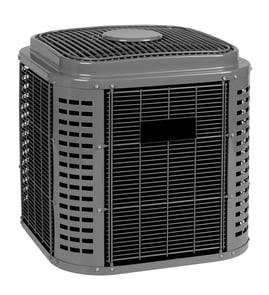





How much should a central air conditioner cost?
A typical installed central air conditioner system costs about $5,000 to $12,000+ in the U.S., depending on size (tons/BTUs), efficiency rating, ductwork condition, electrical work, and labor rates. For an Icp TCA036AKA1 condensing unit, the total price is driven as much by installation and matching indoor equipment as by the outdoor unit itself.
- System size and load calculation: Larger homes and higher heat gain require more capacity.
- Efficiency level: Higher efficiency equipment usually costs more up front.
- Ductwork and airflow fixes: Leaky, undersized, or dirty ducts add labor and materials.
- Electrical and disconnect requirements: Outdoor disconnect, conduit, and correct circuit protection add cost.
- Refrigerant line set work: Reuse vs. replace, length, and accessibility.
- Site conditions: Tight clearances, rooftop installs, or difficult access increase labor.
| Scenario | What’s included | Common total cost range |
|---|---|---|
| Basic replacement | Outdoor unit plus matching indoor coil, minimal extras | $5,000 to $8,000 |
| Mid-range upgrade | Higher efficiency, some electrical or duct repairs | $8,000 to $12,000 |
| Complex install | Ductwork changes, major electrical, difficult access | $12,000+ |
Your TCA036AKA1 installation requirements can affect install complexity and price. In our installation guidance, common items that impact labor include:
- Clearances: About 48 inches above for discharge air and 18 inches around the coil on three sides (one side can be reduced to 6 inches in some layouts).
- Power requirements: 208-230V, 60Hz, single phase supply; copper conductors only.
- Outdoor wiring: Line voltage typically routes to the contactor and ground lug in the control box.
(These details are outlined in the installation guide.)
A low bid often means corners get cut on airflow, clearances, or electrical setup, which can reduce comfort and shorten compressor and condenser fan motor life. A properly sized, properly installed system runs longer, steadier cycles and protects major components.
Last updated: February 2026
What is the most expensive part to replace on an AC unit?
In most central air conditioning systems, the compressor is the most expensive single part to replace because it is the core refrigerant-pumping component and the repair typically involves sealed-system work, refrigerant handling, and significant labor. On an Icp TCA036AKA1 condensing unit, other electrical parts can fail, but they usually cost far less than a compressor.
Most expensive (typical):
- Compressor: highest part cost and highest labor complexity
Common but usually lower-cost repairs on the outdoor unit:
- Contactor (switches high voltage to the compressor and fan)
- Capacitor (helps start and run the compressor and condenser fan motor)
- Condenser fan motor (moves air through the outdoor coil)
- Control board (on models that use one)
For model TCA036AKA1, examples of these commonly replaced parts include the capacitor 1172120 and condenser fan motor 1172508.
| Part type | Why it gets expensive | What you usually see first |
|---|---|---|
| Compressor | Sealed-system labor, refrigerant recovery/charging, diagnosis time | Hard starting, trips breaker, poor cooling, loud humming/metal noise |
| Control board | Electronics cost, troubleshooting time | Intermittent operation, no response to call for cooling |
| Fan motor | Motor cost plus labor | Fan not spinning, overheating, high head pressure |
| Capacitor/contactor | Lower part cost, straightforward replacement | Clicking, buzzing, won’t start, short cycling |
Knowing the “big-ticket” part helps you decide how far to go with diagnosis. A no-cool symptom is often caused by a simpler electrical failure (capacitor, contactor, wiring) rather than a compressor, so accurate testing can prevent unnecessary expense.
Outdoor condensers contain high voltage and stored electrical energy.
- Shut off power at the disconnect and breaker before opening the control box
- Keep proper airflow and clearance around the unit (the installation instructions call out minimum clearances)
- Use correct wiring practices and connections as shown in the installation guide
Last updated: February 2026
Is it cheaper to run an air conditioner or central air?
Central air (like the Icp TCA036AKA1 condensing unit) is typically cheaper per hour to cool an entire home than running multiple room air conditioners to cover the same space; however, a single window or portable unit is usually cheaper if you only need to cool one room.
Use this quick checklist to match the system to your cooling goal:
- Cooling one room: a room air conditioner usually costs less than running central air for the whole house.
- Cooling most rooms: central air usually costs less than several room units running at once.
- Short, occasional cooling: room unit can win because you avoid cooling unused space.
- Long, daily cooling: central air often wins because it is designed for whole-home efficiency.
- Comfort priority: central air typically provides more even temperatures and better humidity control.
Your actual cost depends on a few measurable items.
| Factor | Central air impact | Room AC impact |
|---|---|---|
| Area cooled | Best for whole-home | Best for single rooms/zones |
| Ductwork/airflow | Must be correct to perform well | Not applicable |
| Outdoor coil cleanliness | Big effect on efficiency | Smaller effect |
| Thermostat strategy | One setpoint affects whole home | Per-room control |
For central air, correct indoor airflow is a major driver of efficiency and operating cost. For cooling systems, recommended airflow is about 350 to 450 CFM per ton across a wet indoor coil; low airflow can reduce capacity and raise run time, which increases cost. Use the procedures and setup guidance in the installation guide.
- Keep the outdoor coil clear; maintain at least 2 feet of clearance from shrubs, fences, and debris.
- Shut off power before cleaning; clean only when the coil is cold.
- Avoid non-breathable covers that trap moisture.
- Confirm the system is charged and operating correctly after service (allow run time before readings).
- If you suspect electrical control issues (hard starting, chattering, fan not running), common service parts for this model include the capacitor 1172120 and condenser fan motor 1172508.
Choosing the cheaper option is really about how much space you cool and how efficiently the system moves air and rejects heat. Central air is built to cool the whole home efficiently; room units are best when you can isolate cooling to a small area.
Last updated: February 2026
What is the life of central air conditioner?
Most central air conditioners last 15 to 20 years with normal use and consistent maintenance. For the Icp TCA036AKA1 condensing unit, keeping airflow clear, coils clean, and electrical components in good shape is what most directly protects lifespan (see the installation guide).
A central A/C’s service life is mainly driven by run time, climate, installation quality, and maintenance.
- Typical lifespan: 15 to 20 years
- Shorter lifespan drivers: dirty outdoor coil, restricted airflow, low refrigerant from leaks, frequent short-cycling, electrical wear
- Longer lifespan drivers: correct airflow (proper CFM per ton), clean coil, correct refrigerant charge, stable voltage, good drainage
The installation guidance for this unit emphasizes keeping the outdoor coil clear and maintaining drainage.
- Keep shrubs, fences, snow, and debris at least 2 feet from coil air inlets
- Turn off power before cleaning; keep the coil cold and use an alkaline-based coil cleaner
- Check condensate drainage monthly during the cooling season
- Avoid non-breathable covers that trap moisture and accelerate rust
If the unit struggles to start, runs intermittently, or the fan will not run, these parts are common suspects on many condensing units.
| Symptom | Common part involved | What it impacts |
|---|---|---|
| Clicking, no start | Contactor | Sends line voltage to compressor/fan |
| Hums, hard start | Capacitor | Start/run assist for motor/compressor |
| Fan not spinning | Condenser fan motor | Heat rejection and head pressure |
| Random shutdowns | Electronic control board | Controls and safety logic |
Model-matched options on this page include the capacitor 1172120, condenser fan motor 1172508, and board 1088977.
A central A/C that is kept clean and properly charged runs cooler and with less electrical stress. That reduces compressor strain, prevents overheating, and helps your Icp TCA036AKA1 reach the full 15 to 20 year lifespan.
Last updated: February 2026
Which company is best for central AC?
There is no single “best” central AC company for every home; the best choice is the brand and model that matches your climate, ductwork, and efficiency goals, and is installed correctly. For your Icp TCA036AKA1 condensing unit, installation quality and correct electrical setup matter as much as the name on the cabinet.
We recommend focusing on these factors first, because they drive comfort, reliability, and operating cost:
- Correct sizing (tons/BTU) for your home’s load (oversizing can reduce dehumidification)
- Efficiency rating (SEER2/EER2) and expected run time in your climate
- Installer quality (refrigerant charge, airflow, duct sealing, evacuation)
- Parts availability for common wear items (capacitor, contactor, fan motor)
- Warranty terms and what is required to keep coverage valid
Your TCA036AKA1 is a high-voltage outdoor unit; wiring, grounding, and clearances must be correct for safe, reliable operation. The installation instructions call out key items like shutting off power before connections, using copper conductors, proper grounding, and maintaining airflow clearance around the outdoor coil. Use the installation guide as your baseline for these requirements.
- Keep shrubs, fences, snow, and debris at least 2 feet from coil air inlets
- Keep the outdoor coil clean; turn off electricity before cleaning
- Use a proper outdoor disconnect within sight of the unit (common code requirement)
- Confirm supply power is 208-230V, 60Hz, single phase (per unit requirements)
- Use copper wire only and ground the unit per electrical code
If you are comparing two reputable brands with similar efficiency, use these tie-breakers:
| Tie-breaker | What “better” looks like | Why it matters |
|---|---|---|
| Local service network | More qualified techs in your area | Faster repairs in peak season |
| Parts support | Stocked electrical parts and motors | Less downtime |
| Matched system options | Compatible indoor coil/air handler | Better performance and comfort |
If your decision is influenced by long-term serviceability, these are common condenser wear parts we see replaced:
- Capacitor 1172120 (weak capacitor can prevent starting)
- Condenser fan motor 1172508 (failed fan can cause overheating)
- Contactor (pitted contacts can stop the compressor from running)
A “top” brand installed poorly can short-cycle, cool unevenly, and fail early; a properly sized, properly installed system runs longer, dehumidifies better, and protects major components like the compressor.
Last updated: February 2026